
Think of your skin as a super-fast repair crew. When you get a cut, it rushes to patch things up with a special, strong material called collagen. It’s like using superglue instead of regular tape—it gets the job done fast.
But here’s the cool and slightly awkward part: your body prioritizes speed over style. It doesn’t care about matching the original pattern perfectly; it just wants to close the wound immediately. That quick-fix patch is what we call a scar.
So, does that patch ever pack up and leave? Not exactly, but the story doesn’t end there. It’s more like a renovation project that takes years, not a disappearing act.
Scar Maturation: The Slowest Dance Ever
Imagine a scar as a bulky winter coat. Right after an injury, it's thick, red, and stiff—very noticeable, right? Over the first few months, your body is busy remodeling that collagen mess.
This process is called remodeling, and it’s fascinating. Your skin is basically a demolition and construction crew combined, slowly breaking down the rough fibers and laying down newer, smoother ones. It’s like your body is trying to make the coat look more like your original jacket.
For most scars, this phase lasts about 6 to 12 months. You’ll notice the color fades from angry red to a lighter pink, and the texture gets softer. It’s getting quieter, but it’s still there.
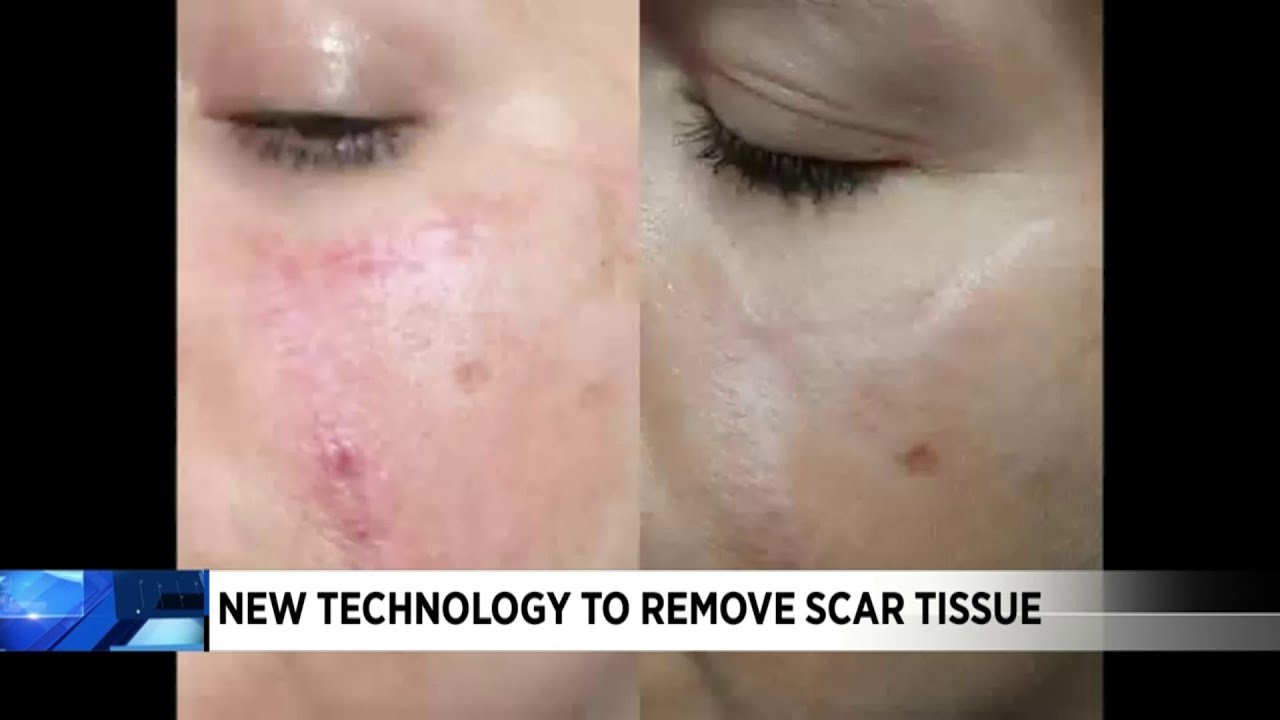 Scar Tissue Removal

