
If you’re a real rhubarb fanatic (and I suspect you might be), you need to know about “forced rhubarb.” This is a fancy term for rhubarb grown in darkness, usually in special sheds kept warm in winter. It produces thin, tender, and shockingly pink stalks that taste less sour and more like sweet, floral candy.
The forced season starts as early as January in places like the UK’s famous “Rhubarb Triangle.” So, technically, if you hunt for forced rhubarb, you can enjoy the plant from midwinter through late June. That’s a six-month love affair, my friend. Who says rhubarb is fleeting?
Now, I know what you’re thinking: “But I can’t grow forced rhubarb—I don’t have a dark shed in my backyard!” Fair point. But many specialty grocers carry it in early spring. Ask for it. Become that person at the market who says, “Any forced rhubarb in yet?” People will admire your dedication. Or at least they’ll admire your enthusiasm.
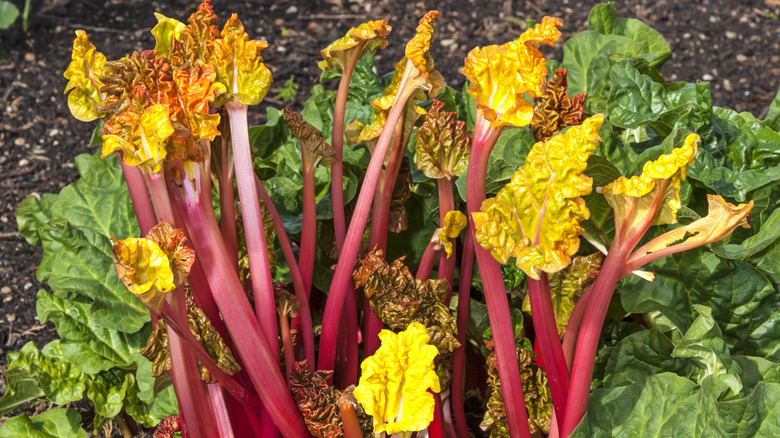 How To Successfully Force Your Rhubarb To Achieve An Earlier Harvest
The Real Magic of a Short Season
Here’s the uplifting part: rhubarb’s brevity teaches us something beautiful about paying attention. When you know something is only around for a few weeks, you stop, you taste, you savor. You don’t scroll past it on the shelf. You bring it home, make a mess in the kitchen, and share it with people you love.
That crumble you bake in May tastes completely different than one made in August from frozen peaches. Why? Because it’s urgent. It’s a celebration of the moment. And that, right there, is what makes life rich.
So, how long is rhubarb season? Long enough to matter, but short enough to make you hungry for more. Don’t wait for it to find you—go out, grab a bunch, and turn those sour stalks into something sweet. Whether it’s a pie, a cocktail, or just a stem dipped in sugar, you’ll be glad you paid attention.
Now, go on—rhubarb season is ticking. Make it count.

