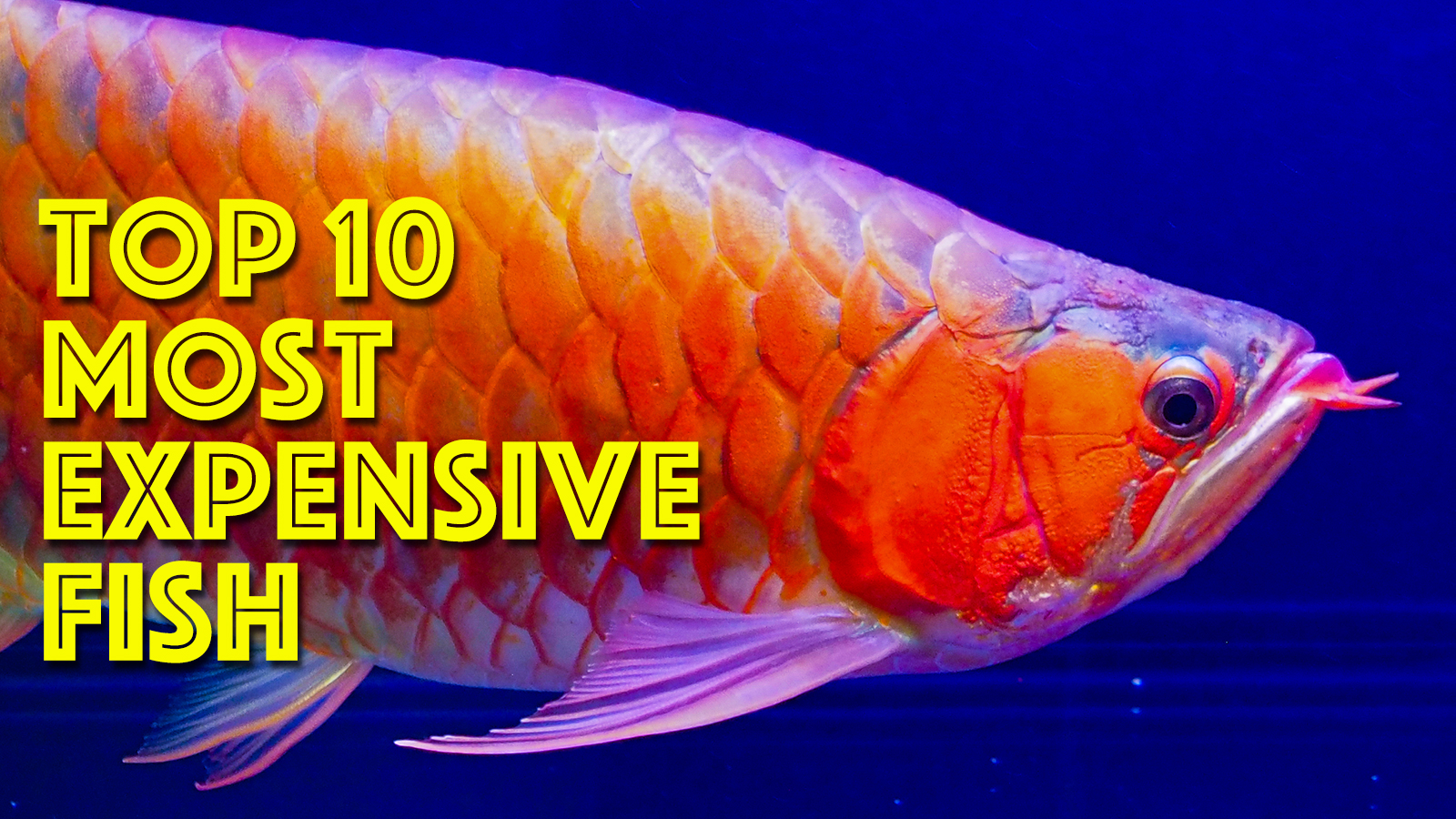
Look for symmetry in koi patterns—perfect, unbroken circles or lines are rare. For arowanas, check the scales: iridescent, metallic finishes indicate high quality. And for tuna at the fish market, the color should be a deep ruby red, not dull—brightness equals freshness and fat content.
Another tip: ask about provenance. A certified koi from a famous breeder in Japan’s Niigata prefecture will always be worth more than a garden-centre variety. The paperwork is part of the price tag—like a birth certificate for a movie star.
If you’re ever tempted to buy one of these fish, resist the impulse unless you’re prepared for the upkeep. A $300,000 arowana can die within hours if the water pH shifts even slightly. It’s less like a pet and more like a living Ferrari that needs a swimming pool.
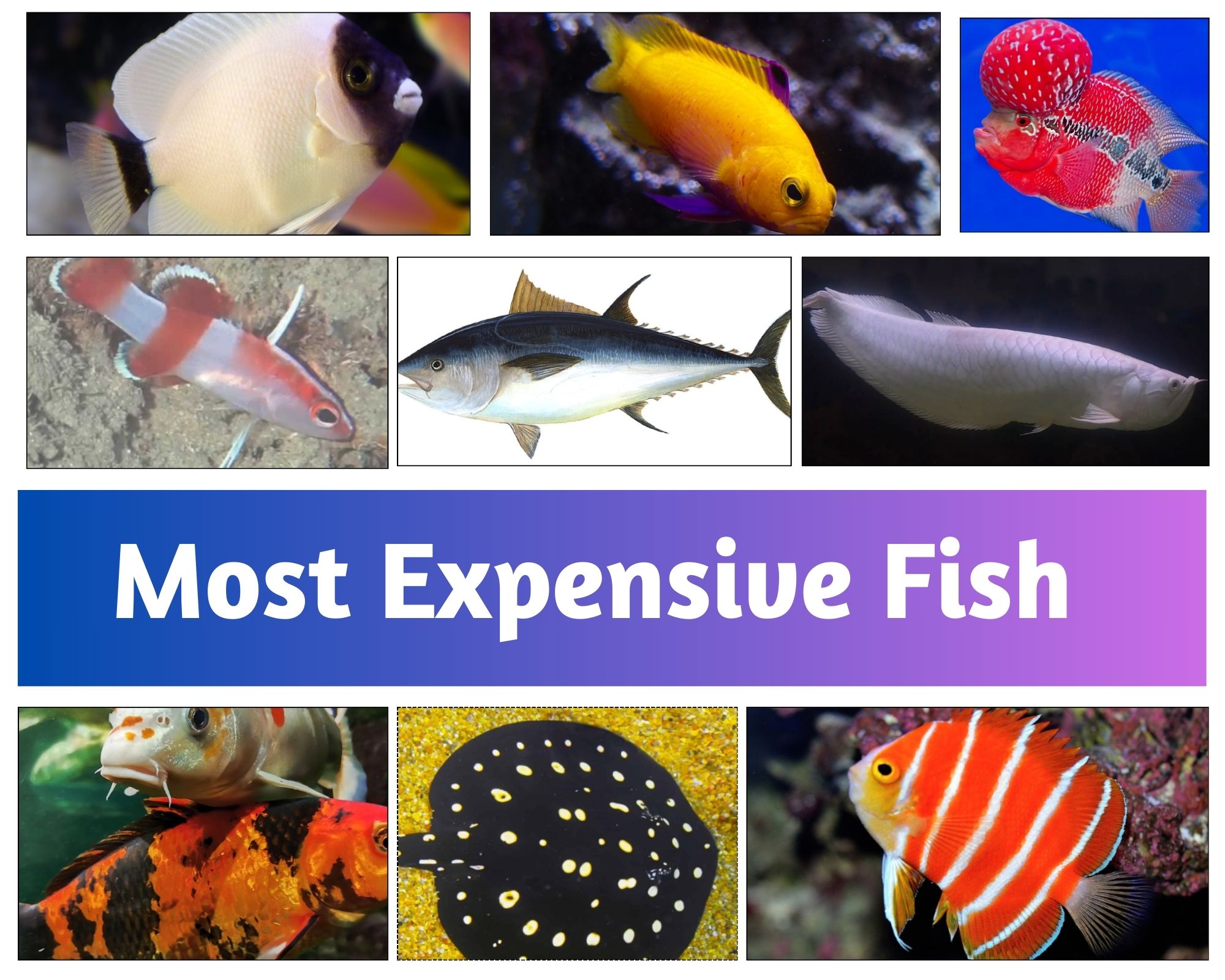 Top 10 Most Expensive Fish In The World Top 10 Most Expensive Fish In
Fun Little Facts
In China, the Asian arowana is banned from import in some regions because it’s considered an endangered species—so buying one legally can involve special permits and a waiting list longer than a bride’s dress. Fun fact: these fish can jump up to six feet out of the water, so their tanks need lids like a jail cell.
The bluefin tuna that sold for $3.1 million weighed 612 pounds—that’s about the weight of a grand piano. Imagine that much sushi at a party. Bonus stat: that single fish could feed over 1,200 people.
Koi have been bred for over 200 years in Japan, and the oldest recorded koi lived to 226 years old (a fish named Hanako). It outlived two world wars and several generations of its owners. That’s older than your great-grandmother.
Even the cheapest of these “most expensive” fish—say, a high-quality Japanese koi at $10,000—is still more than many people spend on a used car. But here’s the thing: these fish are so rare that fewer than 50 people in the world might own a platinum arowana at one time.
In the end, the most expensive fish in the world isn’t just about money—it’s about story. Each one carries a history of careful breeding, cultural significance, and a splash of luck. Whether you’re a collector or just a curious reader, these fish remind us that value is often in the eye—and the heart—of the beholder.
And that leads me to a short reflection for your daily life: You don’t need a million-dollar fish to appreciate the beauty in your own bowl. The humble goldfish swimming lazy circles in your apartment—or even the frozen cod in your freezer—has its own quiet miracle. It breathes, it survives, it participates in your story. The most expensive thing you can own is not a price tag, but the time you take to notice the ordinary made extraordinary. So next time you glance at a fish market or a pond, smile. You’re looking at luxury—both the kind that costs a fortune, and the kind that costs nothing at all.

