
Culturally, eating raw salmon is a global flex. In Japan, it’s practically an art form—sake sashimi is prized for its buttery texture and mild flavor. But did you know that salmon wasn’t always a star in sushi? It was actually introduced to Japan from Norway in the 1980s through a clever marketing campaign. Today, it’s the most popular sushi order in the world.
Meanwhile, in Scandinavia, they’ve been curing salmon with salt, sugar, and dill for centuries—gravlax isn’t cooked, but it’s not quite raw either; it’s transformed. Fun fact: the word “gravlax” comes from old Norse and means “buried salmon,” because it was traditionally buried in the sand to ferment. Thankfully, modern fridges are much more convenient.
And let’s not forget Latin America’s ceviche, where fresh fish is “cooked” in citrus juice. While not technically raw, it’s in the same adventurous family. The takeaway: people have been trusting their instincts (and their noses) with raw fish for millennia.
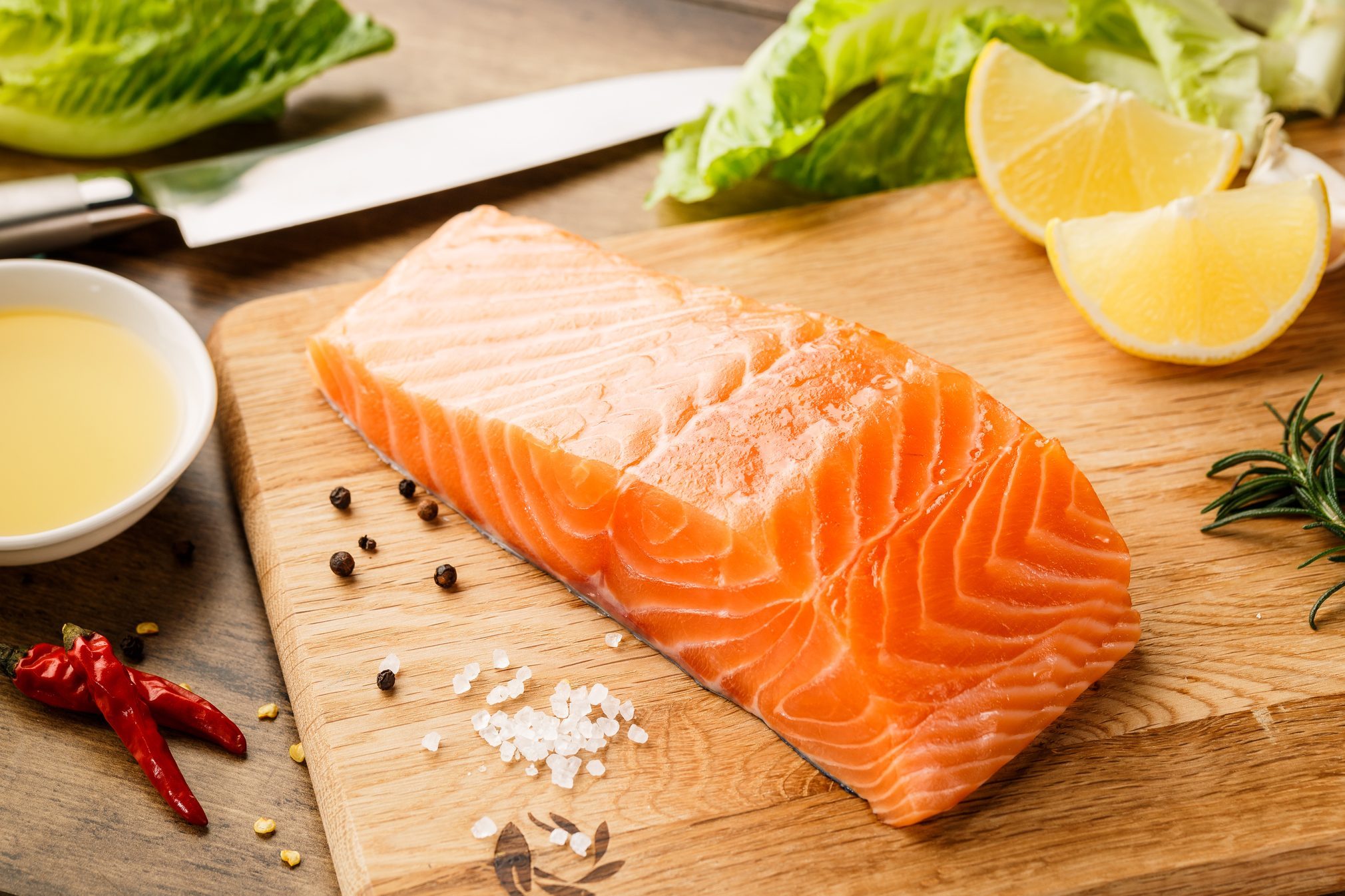 Can You Eat Raw Salmon If It's Fresh?

