:max_bytes(150000):strip_icc()/221893-vodka-martini-cocktail-3x2-67-c99aaaffa3d944668c9ba336b152c3c0.jpg)
The classic garnish is a green olive, ideally stuffed with pimento (a red pepper strip that’s basically the clown of the olive world). Why? Because olives are salty, fatty, and they trick your brain into thinking you’re having a snack. But you can also go with a lemon twist—a strip of peel that oils the surface and makes you feel like a poet. Then there’s the cocktail onion. That turns your drink into a Gibson, which is just a Martini that decided to dress up for a Victorian funeral. Choose wisely; your garnish speaks volumes about your personality. Olive = “I’m reliable.” Twist = “I have opinions about sunsets.” Onion = “I’m probably writing a noir novel.”
Temperature: Why Your Martini Should Be Colder Than My Ex’s Heart
A proper Vodka Martini needs to be freezing cold. Shake it with ice for at least 15 seconds (or stir it gently for 30 if you’re a purist who hates bubbles). The glass—a chilled coupe or a conical Martini glass—should frost up like a winter window. Why? Because cold mutes the vodka’s burn and makes the vermouth taste less like a garden accident. One surprise fact: vodka’s freezing point is around -16°F (-27°C), so your Martini can get dangerously cold without turning into ice cubes. Drink fast, or it’ll warm up into “room temperature sadness.”
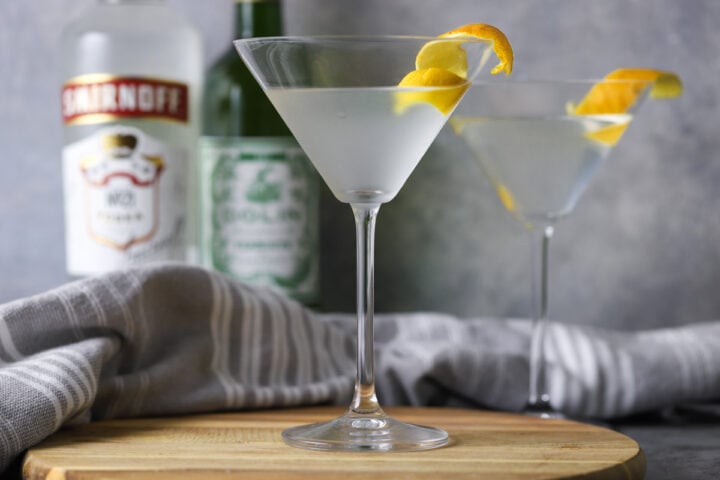 Classic Vodka Martini

