
First, forget the idea of moisture. A “dry” drink isn’t lacking water. It’s actually a shorthand for sugar—or rather, the lack of it. In the world of cocktails and wine, “dry” means “not sweet.” Sounds simple, right? Well, it gets a little twisty.
Think of it like this: a sweet drink is a cheerful, hand-holding friend. A dry drink is the mysterious, slightly serious one who makes you work for their affection. It’s not a bad thing—it’s just a different vibe.
Wine: The Grape’s Secret
When wine is called “dry,” it means the yeast ate all the sugar during fermentation. So you’re tasting the pure grape—tannins, acid, and fruit flavors—without any leftover sweetness. A dry wine might feel sharp or astringent on your tongue. Ever had a Cabernet Sauvignon that made your mouth pucker? That’s dryness at work.
But here’s the fun part: a wine can be dry yet still taste fruity. That’s because your brain confuses “fruit flavor” with “sweetness.” A dry Riesling might smell like peaches, but it won’t have a drop of sugar. It’s like a magician who fools your senses, and that’s cool.
Cocktails: The Art of Balance
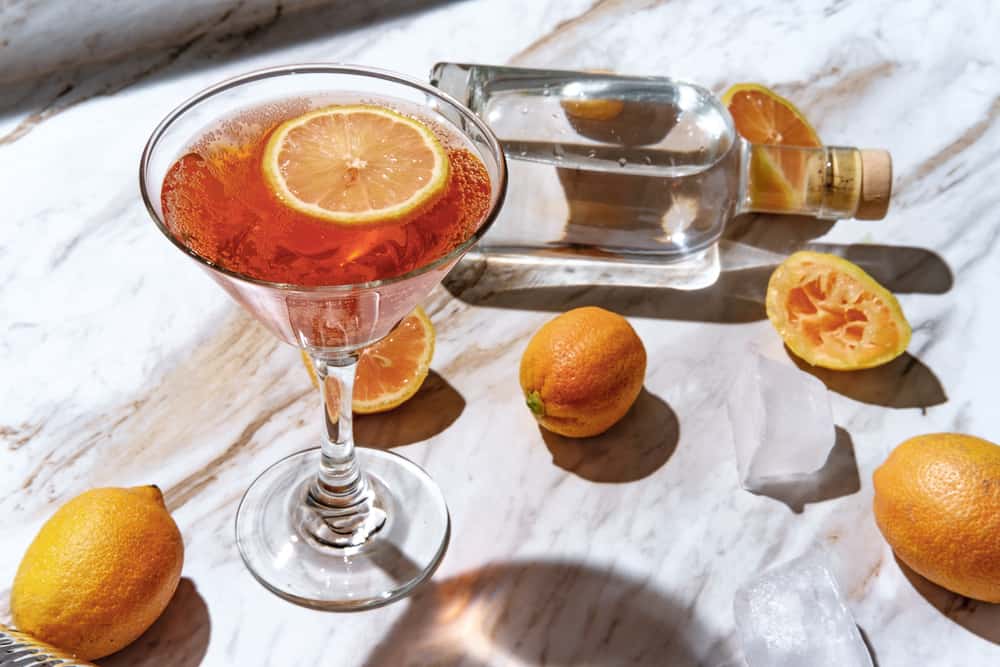
In cocktail land, “dry” is a bit different. A dry martini, for example, means less vermouth. Vermouth is sweet and herbal, so a “dry” martini is almost all gin or vodka. It’s a bold statement—like clearing your throat before speaking. You’re letting the spirit shine.
But wait—there’s nuance. A “bone dry” martini means no vermouth at all. That’s the extreme sport of cocktail ordering. Why do people do it? Because they want clarity, focus, and a little bit of drama. It’s like ordering black coffee when everyone else gets a latte. Assertive, right?
 What Does Dry Mean in Alcoholic Drinks? | DineWithDrinks

