
Here’s a fun one: the type of flour you use matters a lot. If you swap in whole wheat flour without adjusting your recipe, you’re basically asking your bread to bench-press a heavy bag of sand. Whole wheat flour absorbs more liquid, so your dough ends up too dry and stiff. The result? A loaf that’s tough and compact, like a hockey puck with a crust.
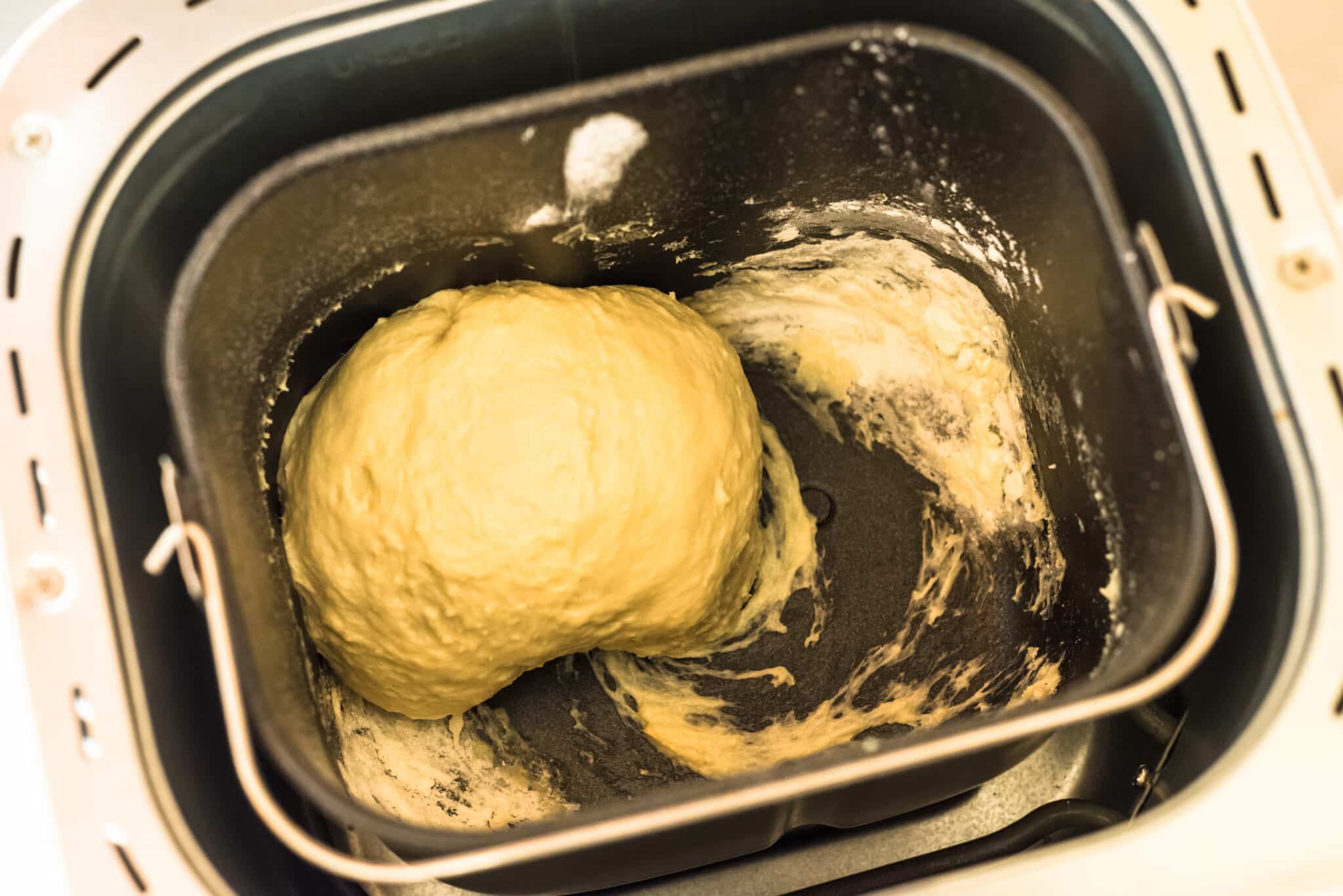
Try this mental image: your bread machine is mixing dough like a kid stirring cookie batter. If the dough is too dry, the paddle can’t work its magic, and the yeast can’t stretch the gluten network. You need a tacky, smooth dough ball, not a crumbly, cracked one. It’s a little like Goldilocks—everything has to be just right.
Too Much Gluten? Nah, Too Little
Wait, isn’t gluten the villain in some stories? For a dense loaf, though, the opposite is true. You might not be developing enough gluten strength. Gluten is the elastic net that traps those yeast bubbles. If your dough lacks that strength, the bubbles escape, and your bread collapses into a dense lump. Think of it like a balloon with a slow leak—all that air just fizzles away.
Sometimes, it’s about the liquid temperature. If your water or milk was too cold, the yeast sits there shivering, not expanding. If it was too hot (like bathwater for a baby, not a lobster boil), you might have killed the yeast outright. That’s a classic “oops” that turns your loaf into a sad, salty brick.
 How To Make Bread More Dense With A Bread Machine – My Budget Recipes

