Here’s the first mind-bender: “Vegetable oil” isn’t one thing. It’s a blender’s free-for-all. It’s usually a cheap mix of soybean, corn, palm, or sunflower. It’s the oil of mystery—like a gas station burrito.
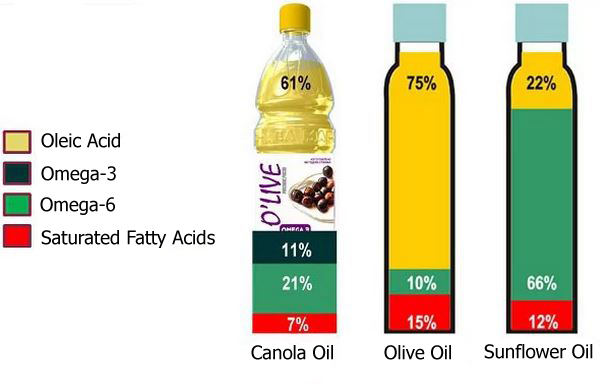
Canola oil, however, comes from a specific plant. It’s made from the rapeseed. Yes, rapeseed. It sounds like a punk band from the 90s, but it’s a beautiful, yellow-flowering crop.
Funny history lesson: Rapeseed oil was once used as engine lubricant in World War II. Before that? For lamps. You are essentially frying with historic machine fuel—how cool (and slightly terrifying) is that?
The Smoke Point Showdown
Here’s why they work as stand-ins: their smoke points are practically kissing cousins. Vegetable oil smokes at about 400-450°F. Canola oil hits the same zone—around 400-425°F. That means neither will freak out when you crank the heat for stir-fry.
Your cookies won’t taste like a chemistry set. Your fried chicken won’t taste like regret. The texture? Identical. It’s like swapping a blue sock for a black one in a dark laundry room.
But listen closely: If you’re making a vinaigrette, pick canola for its whisper-thin neutral flavor. Vegetable oil can sometimes bring a faint, beany echo. Most people won't notice. Your salad will not file a complaint.

