
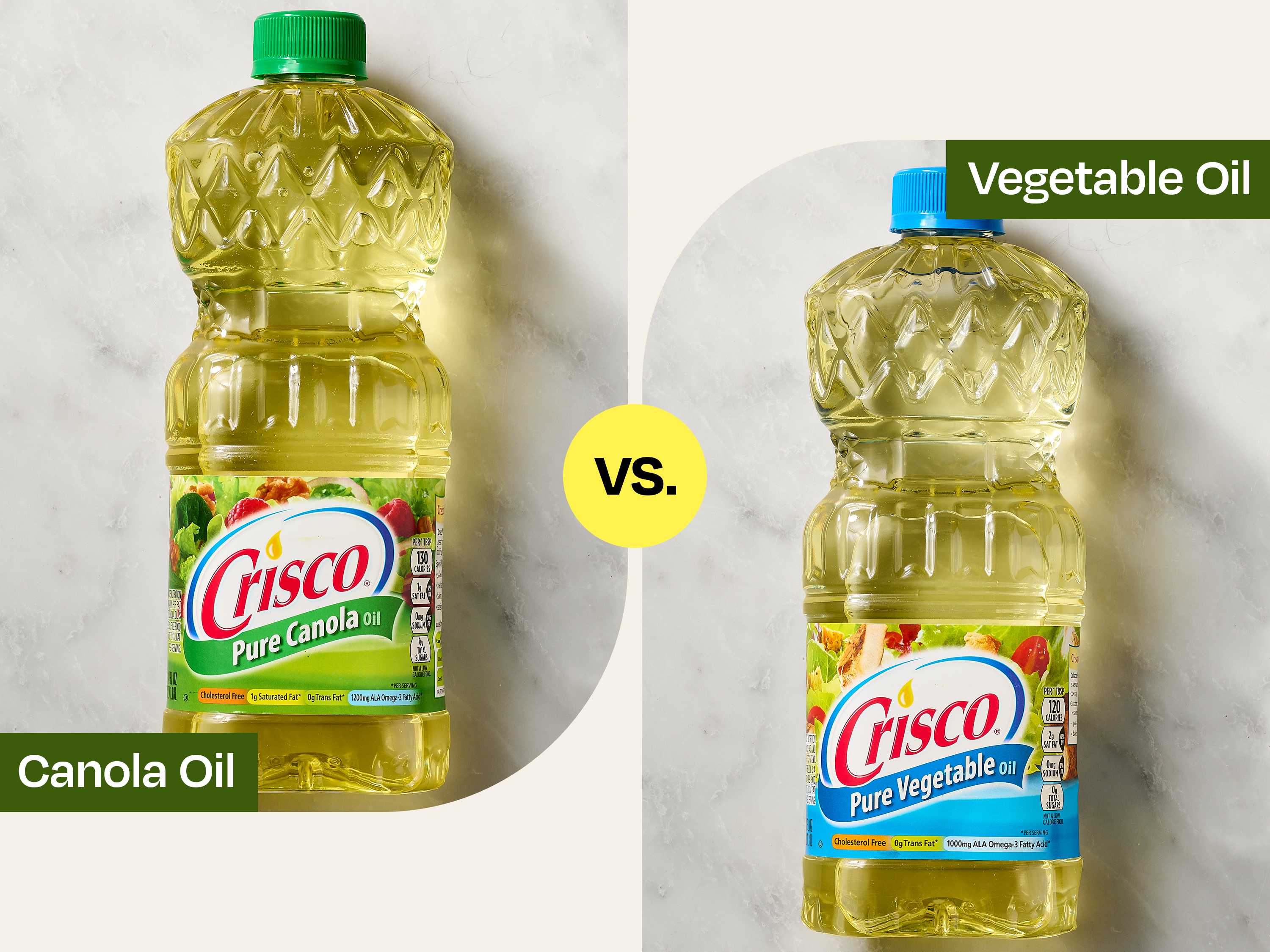
Flavor-wise, both oils are the Switzerland of cooking fats—neutral, boring, reliable. But some vegetable oils have a faintly beany or earthy note. Can you taste it? Maybe if you’re a super-taster or a dog with a refined palate.
 Skills | The Kitchn
In a vinaigrette, you might notice a slight difference. But in a cake? Nah. Your tastebuds will be too busy celebrating sugar and vanilla to care. So, go ahead and use vegetable oil in your salad dressing—just don’t expect a Michelin star reaction.
The Substitution Math
Here’s the easy part: use a 1:1 ratio. If the recipe calls for ½ cup of canola oil, use ½ cup of vegetable oil. That’s it. No calculus. No calling your mathematician friend.
Just remember: if you’re using vegetable oil for frying or high-heat sautéing, watch the pot like a hawk. If it starts smoking, lower the heat. Otherwise, you’ll be airing out your kitchen and filing a report with the fire department.

