
Sub Light Brown Sugar For Dark
Let’s be honest: that recipe calling for dark brown sugar hits different. It whispers of molasses, depth, and a certain culinary cool. But you’ve only got light brown sugar in...
Let’s be honest: that recipe calling for dark brown sugar hits different. It whispers of molasses, depth, and a certain culinary cool. But you’ve only got light brown sugar in the pantry, and the grocery run feels like a marathon. You’re not alone—this is the stuff of baker’s anxiety everywhere.
Here’s the good news: swapping light for dark brown sugar is surprisingly easy. The secret lies in a simple, invisible ingredient hiding in your kitchen. Before we dive into the fix, let’s talk about why these two sugars are basically best friends.
Both light and dark brown sugar are just white sugar with molasses added back in. The only difference? Dark brown sugar packs about double the molasses—roughly 6.5% compared to 3.5% for light. That extra molasses brings a more intense, almost coffee-like toffee flavor, plus a touch of moisture.
Think of it this way: light brown sugar is the friendly, neutral cousin. It adds gentle caramel notes without shouting for attention. Dark brown sugar is the bold, charismatic uncle—the one who brings the jazz and tells dramatic stories at holiday tables.
So what happens when you use light instead of dark? In most cookies and cakes, nothing catastrophic. You’ll notice a slightly less rich flavor, but the texture stays remarkably close. The molasses content shift just isn't dramatic enough to wreck your brownies or banana bread.
In fact, for many everyday recipes—like chocolate chip cookies or quick breads—light brown sugar actually performs better. It has a more neutral sweetness that lets other flavors, like vanilla or cinnamon, shine. Your morning muffin won’t miss the deep molasses kick.
But what if you’re chasing that specific, sticky-sweet gingersnap vibe? Here’s where the hack comes in. You can transform light brown sugar into dark in about thirty seconds. No chemistry degree required.
Take one cup of light brown sugar. Add one tablespoon of molasses. Stir with a fork until the molasses is fully absorbed. That’s it. You’ve just created a perfect replica of dark brown sugar, complete with the same moisture and intensity.
Don’t have molasses? No problem. Replace that tablespoon with one of pure maple syrup or dark honey. The flavor will shift slightly, but the result is still richer than plain light brown sugar. Your taste buds won’t file a complaint.
This trick is a life changer for real bakers. It means you never have to run to the store just for one ingredient. It also gives you total control over your sweetness—add a little extra molasses for a super-dark result, or just a touch for a subtle lift.
 Light vs. Dark Brown Sugar: Which One is Healthier for Your Goals?
Let’s get practical. The best recipes to use a light-for-dark swap? Anything with strong competing flavors like spice, chocolate, or coffee. Think pumpkin bread, molasses cookies, or chocolate stout cake. The deep notes won't get lost.
Recipes where you should stick with dark? Classic gingerbread, pecan pies, or barbecue sauces. These demand that molasses backbone. If you use light here, the finished dish might taste a little flat—like a joke without a punchline.
And here’s a fun little fact: dark brown sugar actually has a higher acid content than light. That tiny pH difference can affect how baking soda reacts, making cookies spread slightly less. It’s a hidden science hack for chewier results.
Culturally, this swap is nothing new. In Caribbean kitchens, brown sugar is often just called “sugar”—no light or dark distinction. The molasses content is adjusted on the fly depending on what the cook is making, using a handful of raw cane sugar and a splash of black treacle.
Japanese bakers do something similar with their kokutō (black sugar) style. They mix refined light sugar with a tiny bit of molasses-like syrup called mitsu. It’s a centuries-old tradition of making the most of what you have.
So what about the texture? Light brown sugar has slightly less moisture, so your cookies might turn out a bit crisper around the edges. For soft-and-chewy lovers, add an extra tablespoon of butter or a splash of milk to compensate.
Storage tip: if you swap light for dark, store your baked goods in an airtight container with a slice of apple. The apple’s moisture will mimic the dark sugar’s humidity advantage. It keeps cookies pillowy for days.
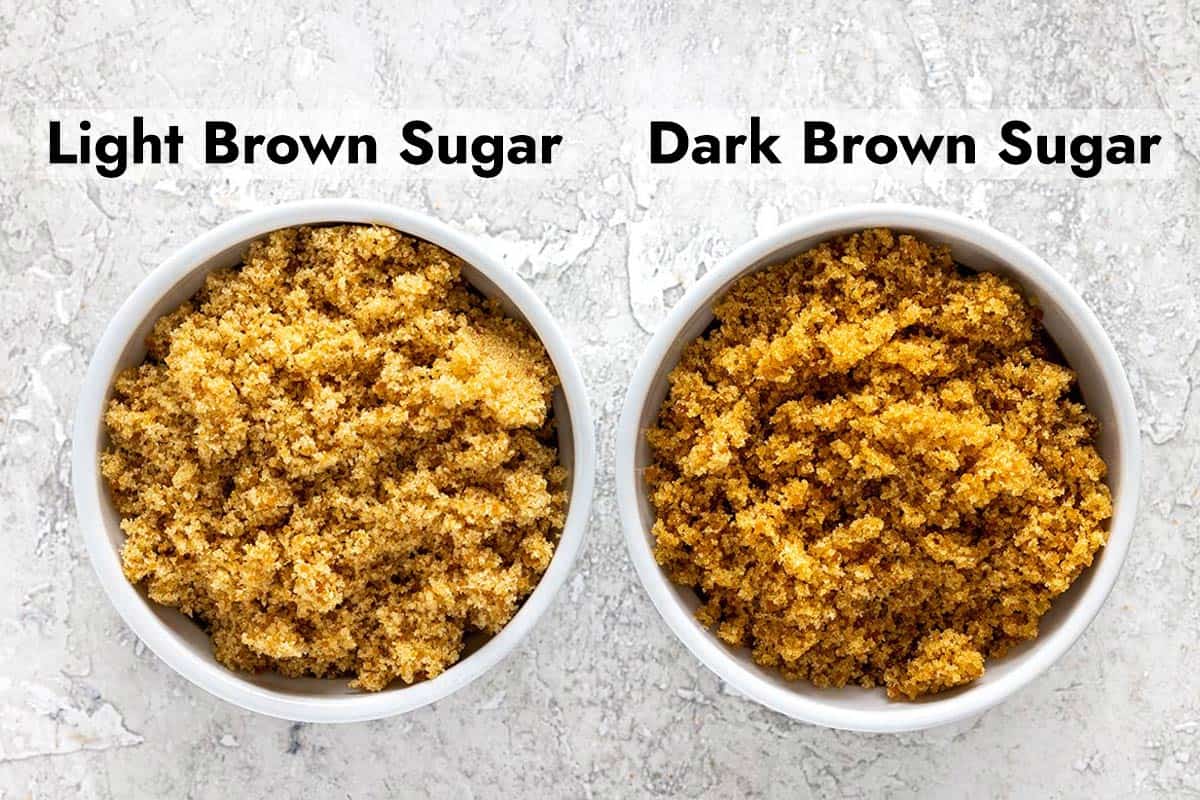 How to Make Brown Sugar - Jessica Gavin
Remember when you used to panic over missing an ingredient as a teenager? This swap is proof that cooking is flexible. It’s not about following rules perfectly—it’s about understanding the soul of the recipe.
The next time you’re halfway through stirring a batter and realize you have the wrong sugar, take a breath. You’re not failing; you’re improvising. Like a jazz musician, you’re just playing around the melody.
And honestly, most people won’t even notice. The ancient Greeks didn’t have dark brown sugar, and they made honey cakes that still get rave reviews. Perfection is the enemy of a warm kitchen.
In daily life, this little trick goes beyond baking. Use light brown sugar sweetened with a bit of molasses for your morning coffee, your oatmeal, or even a homemade spice rub for pork. It’s a subtle upgrade that feels like a secret weapon.
Maybe the real lesson here is about being resourceful. How often do we stress over options that are nearly identical? Light versus dark sugar becomes a metaphor for letting small details go, trusting that the outcome will still be good.
So go ahead. Grab that bag of light brown sugar, add a spoonful of molasses, and bake like you mean it. Your gingerbread will still be spicy, your cookies still chewy, and your kitchen still full of that beautiful, warm aroma.
In the end, the best recipes are the ones that let you breathe. Swap freely, taste often, and remember: a little molasses fixes almost everything. Even a Wednesday morning that feels a bit plain.

