Whats The Temp Inside A Fridge
Let’s be honest: you probably haven’t thought about the temperature inside your fridge since you moved in. We treat it like a magical cold box, and that’s about it. But the nu...
Let’s be honest: you probably haven’t thought about the temperature inside your fridge since you moved in. We treat it like a magical cold box, and that’s about it. But the number on that dial isn’t just a suggestion—it’s the difference between a crisp salad and a science experiment gone wrong.
The official sweet spot, according to food safety experts and your appliance manual, is 37°F to 40°F (or 3°C to 4°C). This range is cold enough to slow down bacteria growth without freezing your leafy greens. Think of it as the Goldilocks zone: not too hot, not too cold, but just right for keeping your milk fresh for a full week.
Why isn’t it colder, you ask? If you set it below 32°F, you’re basically turning your fridge into a freezer-lite. That means your lettuce turns into sad, translucent slush, and your eggs develop a weird, rubbery texture. The freezer does the hard freeze; the fridge is meant to keep things chilled, not solid.
Here’s the fun part: temperature isn’t uniform inside that box. Your door shelves are the warmest spot—often reaching 45°F to 50°F—because they’re exposed to warm air every time you open the door. That’s why milk and eggs belong on the main shelves, not the door. Keep condiments like ketchup and pickles in the door; they’re acidic enough to handle the warmth.
The back of the fridge, near the cooling vents, is the coldest zone. If you store delicate berries or fresh herbs back there, they’ll get frostbitten in a day. A smart move: place your dairy and meat on the lower shelves (coldest), and your veggies in the crisper drawer, which has a slightly higher humidity to keep them crisp.
Fun little fact: your fridge’s temperature fluctuates naturally every time you open the door. A typical fridge cycles on and off to maintain that 37°F average, so it’s normal to see the thermometer jump by a couple degrees. But if your milk curdles in under a week, or your lettuce wilts in two days, you’re probably running too warm—closer to 45°F, which is the danger zone for bacteria.
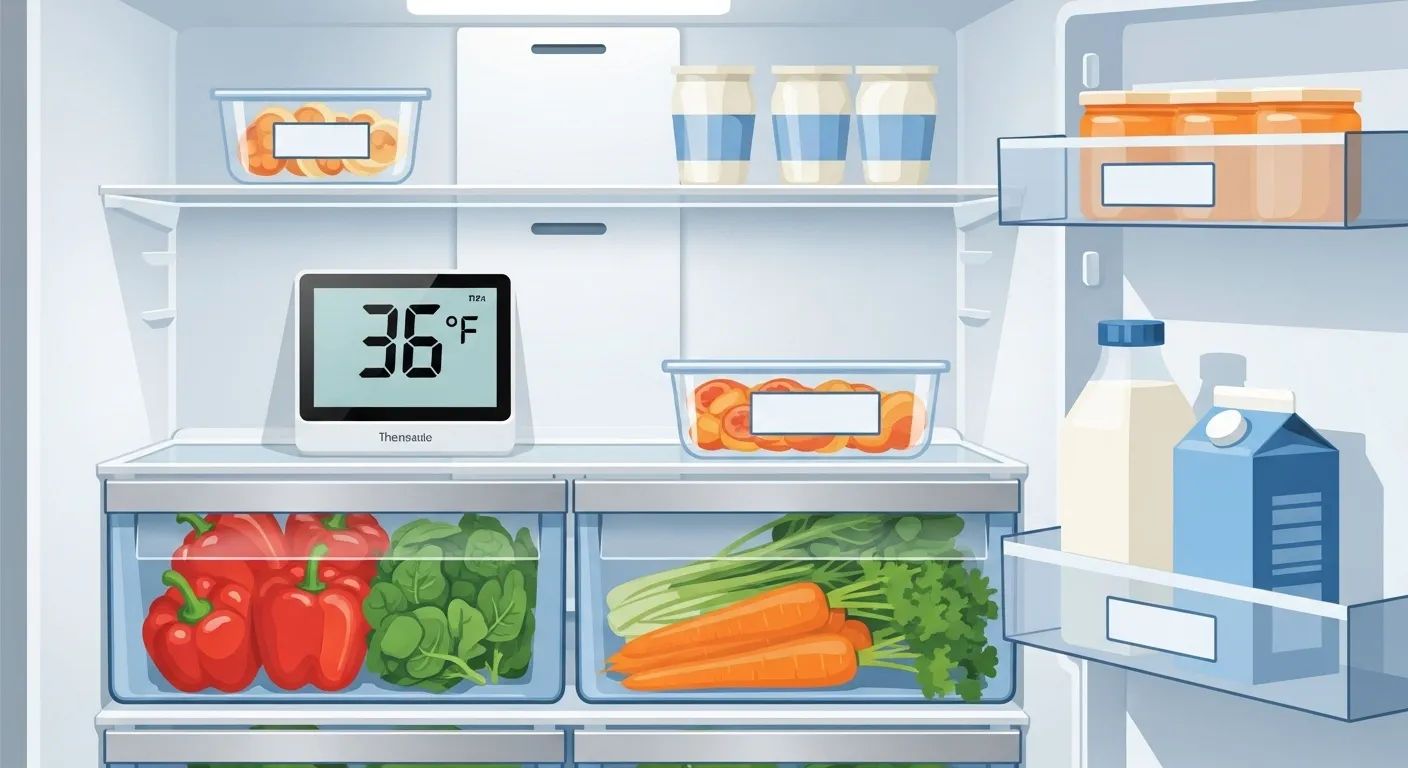 Optimal Refrigerator Temp: Keep Food Safe & Fresh
How do you know for sure? Don’t trust the built-in dial—it’s often a vague number like “3” or “medium.” Grab an inexpensive appliance thermometer and place it in a glass of water on the middle shelf. Check it after 24 hours. If it reads above 40°F, turn the dial down a notch. If it’s below 37°F, turn it up slightly. This is the single most effective adjustment you can make for your food’s lifespan.
And a cultural note: the British fridge standard is often slightly warmer, around 41°F to 43°F, because they store more root vegetables and dairy that tolerate a bit of warmth. In the American South, where summer heat hits 100°F, many people run their fridges closer to 36°F to compensate for the ambient temperature. Your fridge doesn’t live in a vacuum—it struggles when the kitchen gets hot.
Practical tip: Don’t overstuff your fridge. Air needs to circulate around the items to maintain an even temperature. If you cram it like a Tetris game, the cold air can’t reach the center, creating warm pockets where bacteria thrive. Leave a little breathing room, especially around the vents.
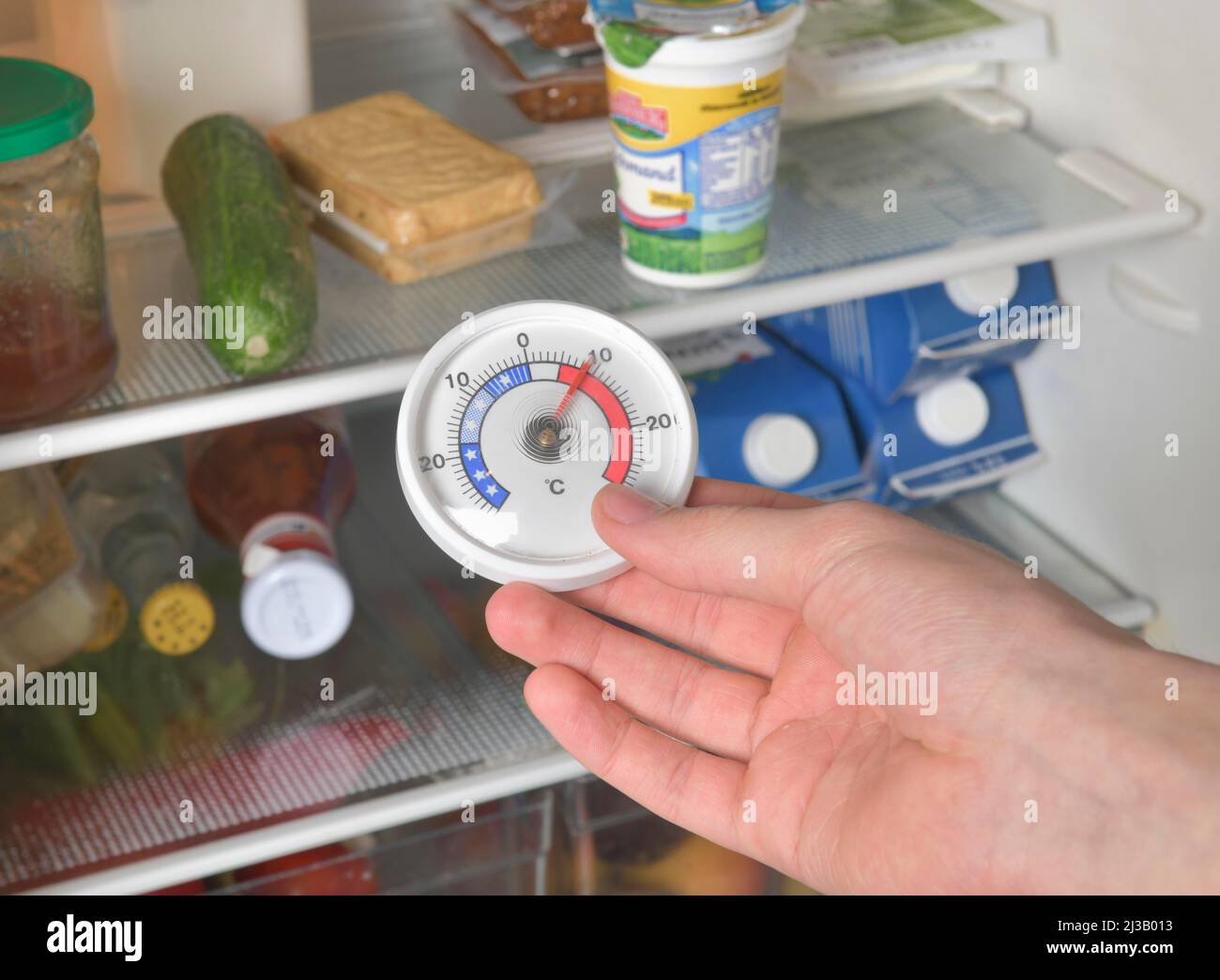 Where Should You Put The Thermometer In The Refrigerator at Timothy
Another life hack: let hot leftovers cool for about 30 minutes before putting them in the fridge. Dropping a steaming pot of chili into a 37°F environment forces the fridge to work overtime, raising the internal temp for hours. Give it a head start on the counter, then cover and chill.
Now for the pop-culture connection: remember that scene in The Big Chill where the characters talk about how the fridge temperature affects their mood? No? Well, there’s a reason they called it the big chill. Cold food is comforting, but a fridge that’s too warm feels like a betrayal—like finding out your coffee shop’s oat milk is expired. A properly set fridge is a silent partner in your daily calm.
So, what’s the temp inside a fridge? It’s 37°F to 40°F, but really, it’s a little philosophy about balance. Too cold and you freeze your joy; too warm and your leftovers rot. It’s a small, steady reminder that life—and your lunch—works best when you find the middle ground.
Check your thermometer this weekend. Adjust the dial. Then enjoy a week of crisp lettuce, fresh milk, and the quiet satisfaction of knowing you’ve mastered the one appliance we all depend on. Your fridge isn’t just a box; it’s a temperature-controlled sanctuary for your snacks.