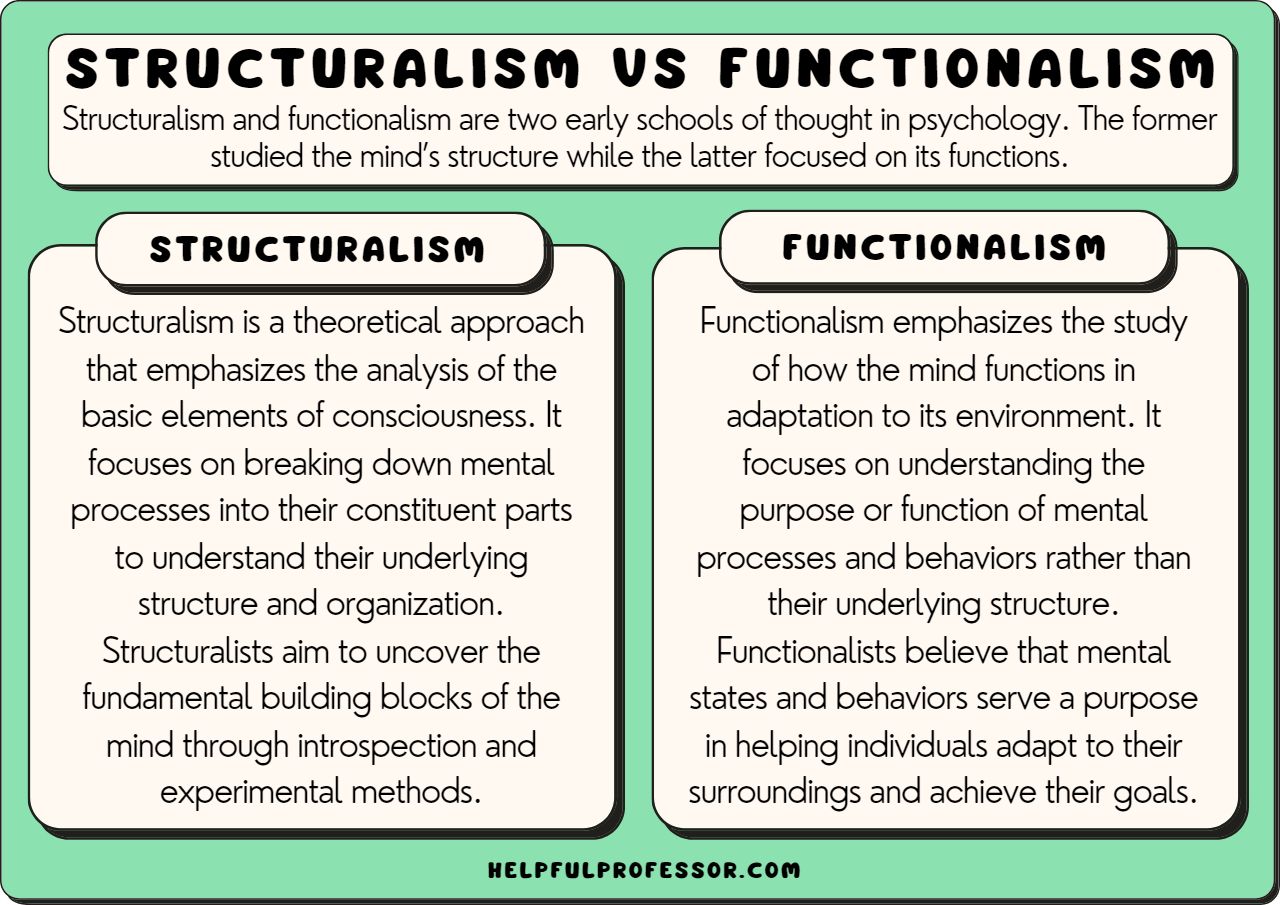
Enter William James. He was a big, bearded guy who smoked cigars and hated labs. He asked one simple question: “Who cares about the parts? What does the mind do?”
Functionalism borrowed from Charles Darwin. If a thought helped you survive, it stuck. If it made you run into a saber-tooth tiger, it got deleted.
James saw the mind like a Swiss Army knife. The point isn’t the screwdriver part. It’s that you can use it to fix a fence.
He wrote an epic textbook called The Principles of Psychology. It’s 1,400 pages. And it starts with the sentence: “Psychology is the science of mental life.” Very chill.
Funny detail: James was a terrible student. He switched careers constantly. He started in art, then medicine, then philosophy. He basically majored in restlessness.
He called the conscious mind a “stream of consciousness.” Not a train with fixed cars. A river. You can’t step in the same thought twice.
While Structuralists measured milliseconds, James asked: “Why does the mind wander when you’re bored?” Because boredom helps you look for new opportunities.

