Baking powder is a magical dust that releases gas when it gets wet and then again when it gets hot. It’s the double-agent of the baking world. Salt just makes things taste like not sadness. So when you mix them into flour, you create a powder that will rise like a politician’s approval rating before an election. Except this rise actually delivers. The only reason to buy pre-mixed self-rising flour is if you plan to bake so many biscuits that you contract repetitive whisk-syndrome. Or if you find the words “self-rising” deeply comforting, like a financial advisor who also brings you tea.
What I Actually Did (And What You Should Do)
I yelled “I reject your reality and substitute my own!” into the pantry. Then I took a bowl, measured out 2 cups of all-purpose flour, added 3 teaspoons of baking powder (that’s 1½ per cup, remember?), and ½ teaspoon of salt. I whisked it like I was beating the Devil in a soufflé contest. And you know what? My biscuits rose higher than my expectations for a Tuesday night. They were golden, flaky, and nobody died. The buttermilk probably helped, but the point stands.
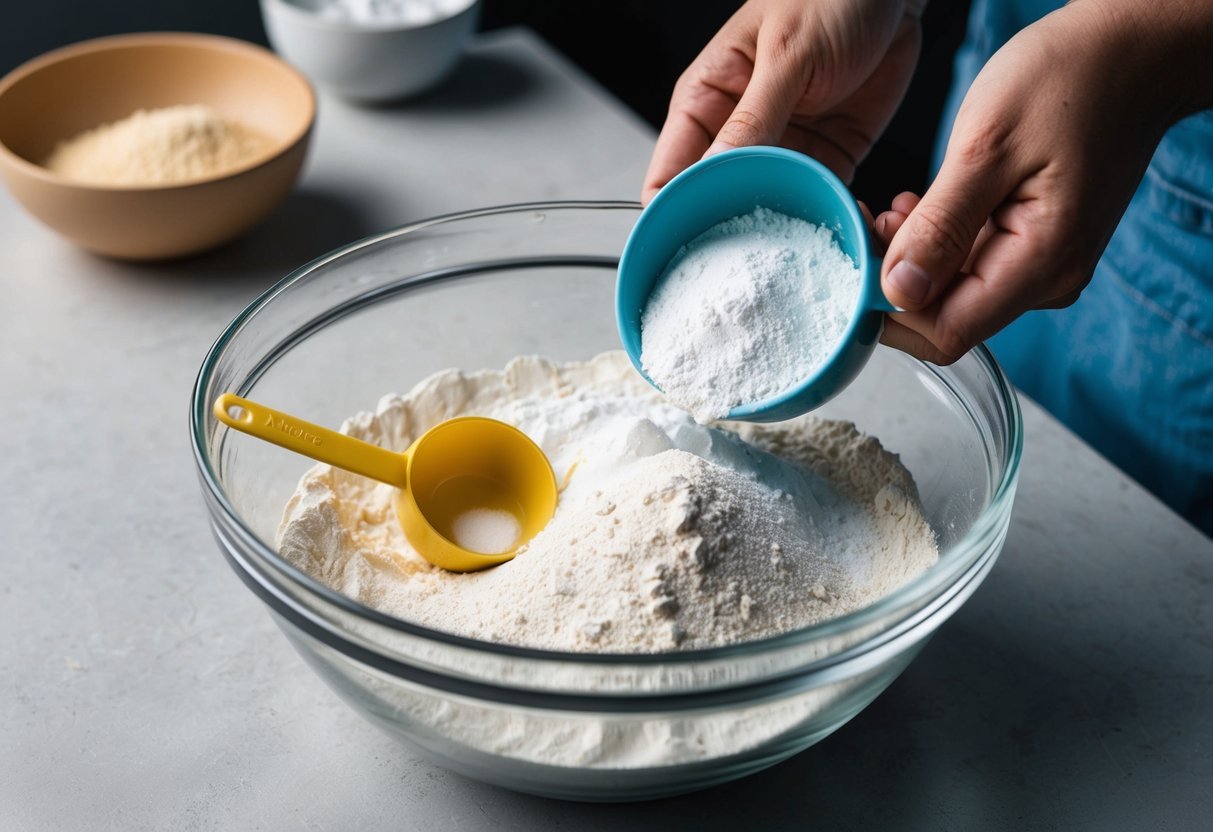 What Can I Use If I Don't Have Self-Rising Flour? Effective Substitutes
So if you ever find yourself in a dark pantry, facing a recipe that demands self-rising flour, do not falter. You are stronger than a missing ingredient. You are a culinary rebel. Mix that flour, that powder, that salt, and tell Big Grocery you will not be a slave to their shelf-stable schemes. Also, if you’re gluten-free, this whole thing gets more complicated, and I respect you for even reading this far. But for the rest of us? Self-rising flour is just an idea. And you, my friend, are the idea factory.
Now go make something that puffs up beautifully in the oven. And if anyone asks, you made it from scratch. Technically, you did.