/oranges-annotation-94cf4ef5a5b842a68aa5a0b9e238d630.jpg)
We live in an era where apples are celebrated (one apple, 25 grams of carbs) and oranges are suspicious. Why? Because oranges taste too sweet. But sweetness isn’t a sin—it’s a flavor profile. In Chinese culture, oranges symbolize good luck and abundance during Lunar New Year. They aren’t worried about macros; they’re embracing prosperity.
Remember, the body processes whole foods differently than processed ones. An orange comes with water, fiber, vitamins, and phytonutrients that work together like a well-trained orchestra. A candy bar just brings noise. The carb count matters, but the context matters more.
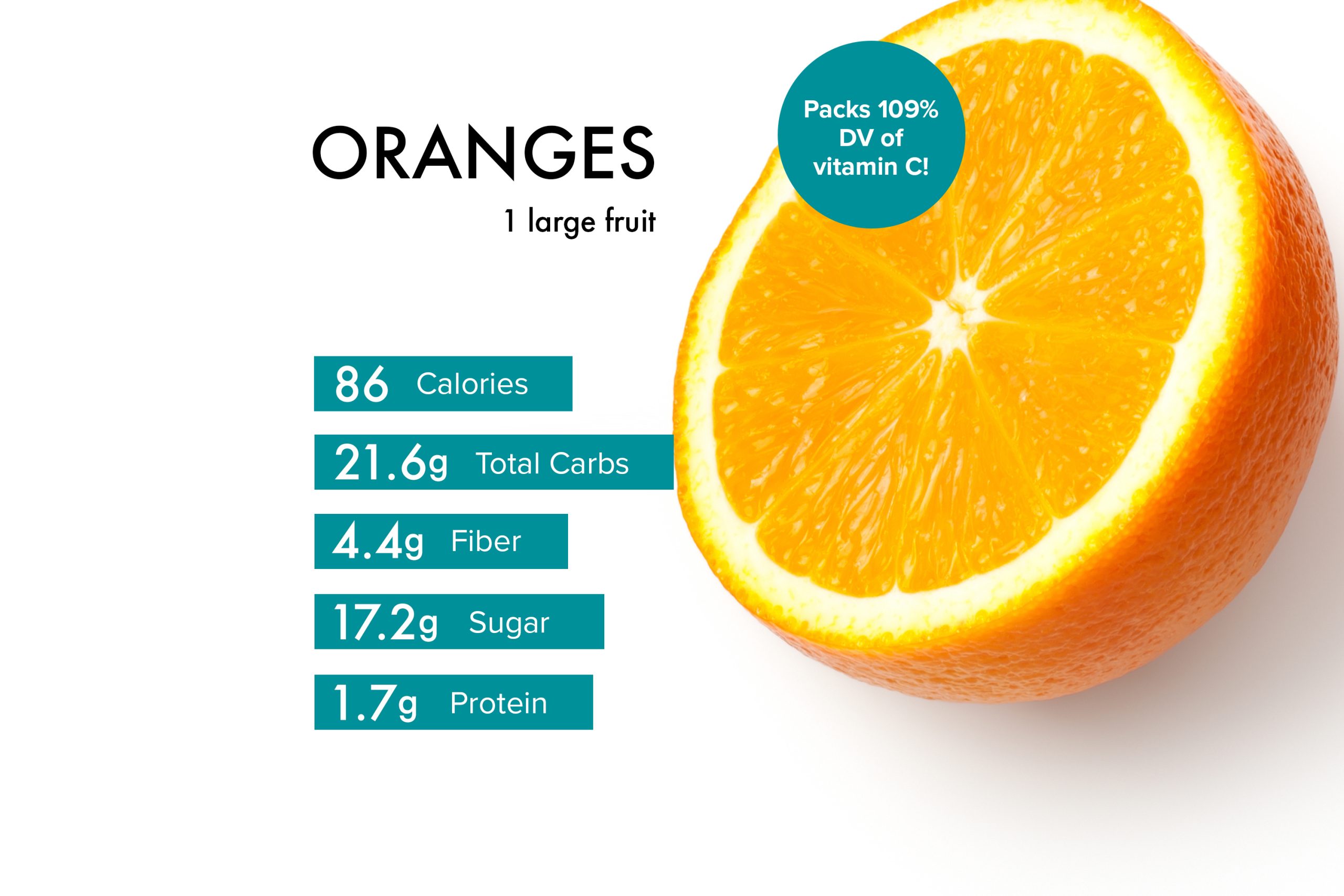 How Many Carbs in an Orange
Fun fact no. 2: Oranges are actually modified berries. Botanically speaking, they’re a type of berry called a hesperidium. So if anyone gives you grief about eating carbs, tell them you’re just having a very fancy, juicy berry.
The Verdict: Friend or Foe?
If you’re following a strict keto diet (under 20 grams of net carbs per day), a whole orange might be a squeeze. But for the vast majority of people—including those on moderate low-carb or balanced eating plans—oranges are a delicious, nutrient-dense option. They’re not the enemy; they’re the vibrant, aromatic ally you didn’t know you needed.
Think of it this way: one orange has fewer carbs than a single slice of pizza crust, and about the same as a handful of roasted chickpeas. Would you turn down chickpeas on a salad? Probably not. So don’t turn down the orange.
At the end of the day, food is about more than numbers on a tracker. It’s about the texture of the peel under your fingernails, the burst of juice on your tongue, the childhood memory of peeling one on a sunny car ride. Carbs are just a detail—the joy of eating is the whole picture.
So go ahead. Grab an orange today. Breathe in that zesty scent. Know that you’re getting fiber, vitamins, and a gentle carb load that your body can handle. And if anyone asks, just smile and say: “It’s a berry. With 12 net carbs. And zero regrets.”