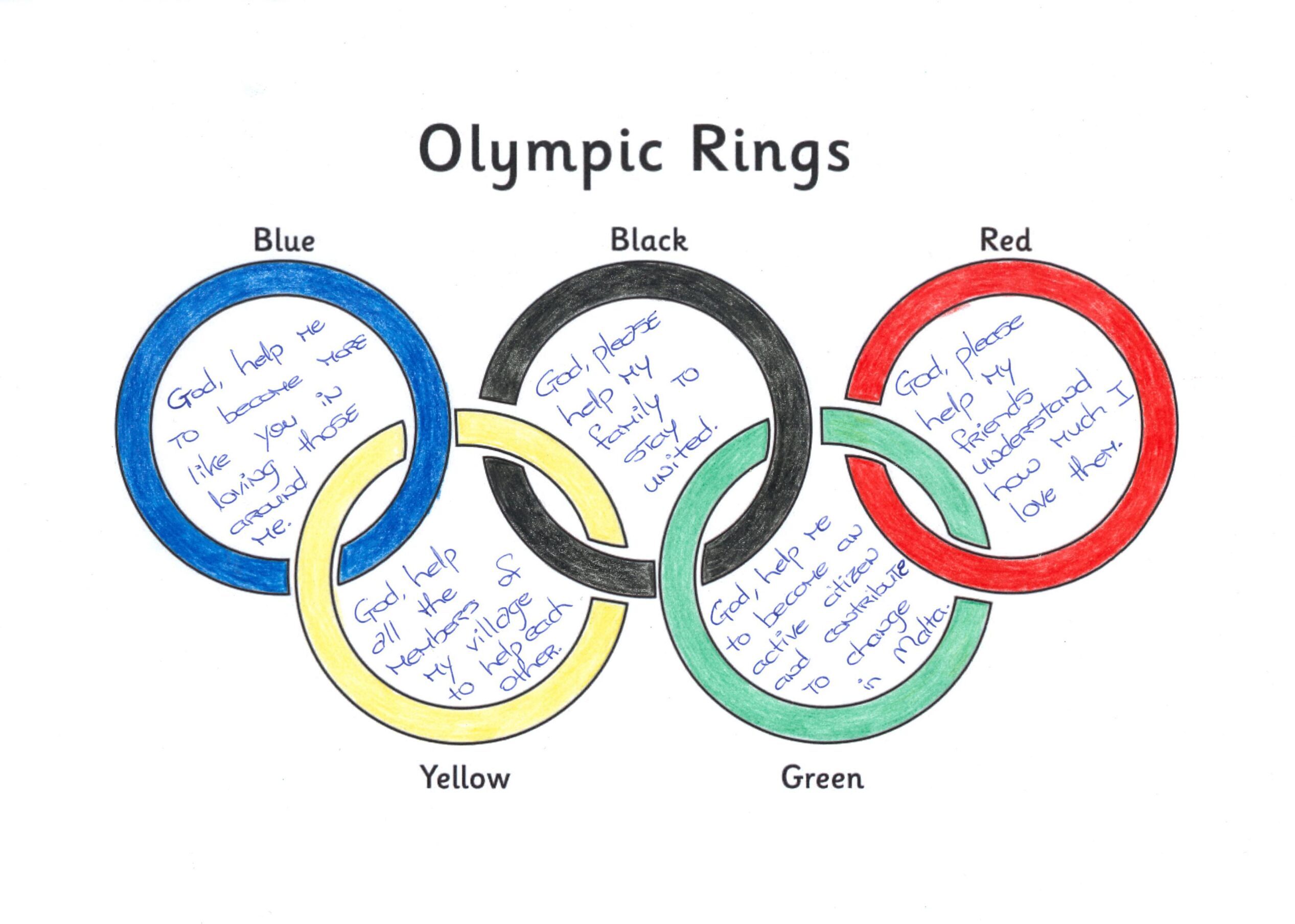
Here’s the part that makes the rings more than just a design: they represent peaceful competition. In 1913, the world was already teetering toward World War I. De Coubertin wanted a symbol that could stand for something bigger than borders. The rings are a silent promise that, for two weeks every two years, humans can fight with balls instead of bullets.
And sure, the Olympics have had their share of political protests and doping scandals. But the rings remain a neutral ground—a visual truce. When you see them, you’re supposed to think, “This is where we all meet, even if we can’t agree on anything else.” That’s cheesy, I know. But sometimes cheesy is exactly what the world needs.

