
Ever pull out a lasagna and find weird, white, frosty patches? That’s freezer burn. It’s not dangerous, but it makes the edges taste like cardboard. Think of it as your lasagna getting a sunburn from the cold air inside the package.
To avoid that, wrap your lasagna in two layers: first plastic wrap, then aluminum foil. Or use a vacuum sealer if you’re fancy. The better you block out air, the longer that lasagna stays a hero instead of a sad science experiment.
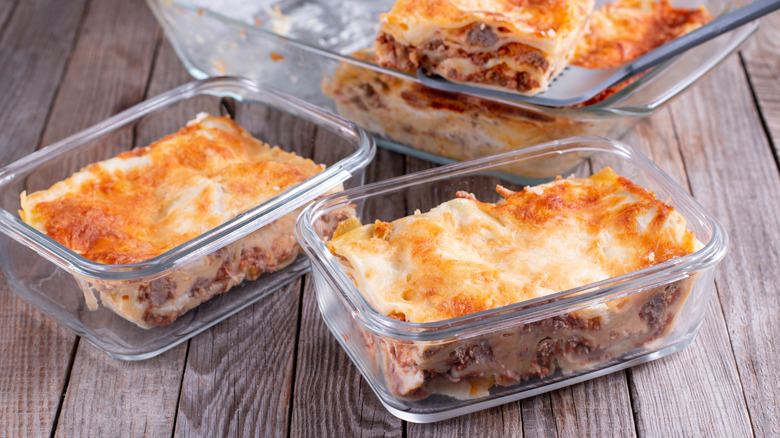 How Long Does Frozen Homemade Lasagna Last?
How to Tell If It’s Still Good (Without a PhD)
Forget the date—use your senses. Smell it after thawing. If it smells sour or like old socks, toss it. Look at it: dark spots or a thick layer of ice crystals mean it’s past its prime. And if the sauce has turned a weird gray-brown color? Yeah, that’s a no-go.
But here’s the cool part: if it looks and smells normal, it’s probably fine to eat. Your nose is smarter than you think. Trust it like a friend who always tells you if your shirt is inside out.

