Here’s the nerdy but cool part. The USDA says poultry should reach 165°F (74°C) to kill bacteria like salmonella. But many chefs and home cooks ignore that with duck and cook it to just 135°F to 140°F for medium-rare. Why do they get away with it?
Because duck is raised differently from chickens. Ducks are generally less prone to salmonella contamination, especially if they’re from a reputable farm. It’s a bit like how you’d trust a sushi-grade tuna but not a gas-station hot dog—quality and handling matter.
Also, the whole “duck is red meat” thing means its texture and flavor actually shine when it’s a bit pink. Overcook a duck breast, and you lose that rich, almost liver-y goodness. You’ll end up with something that tastes a lot like a sad, dry turkey sandwich.
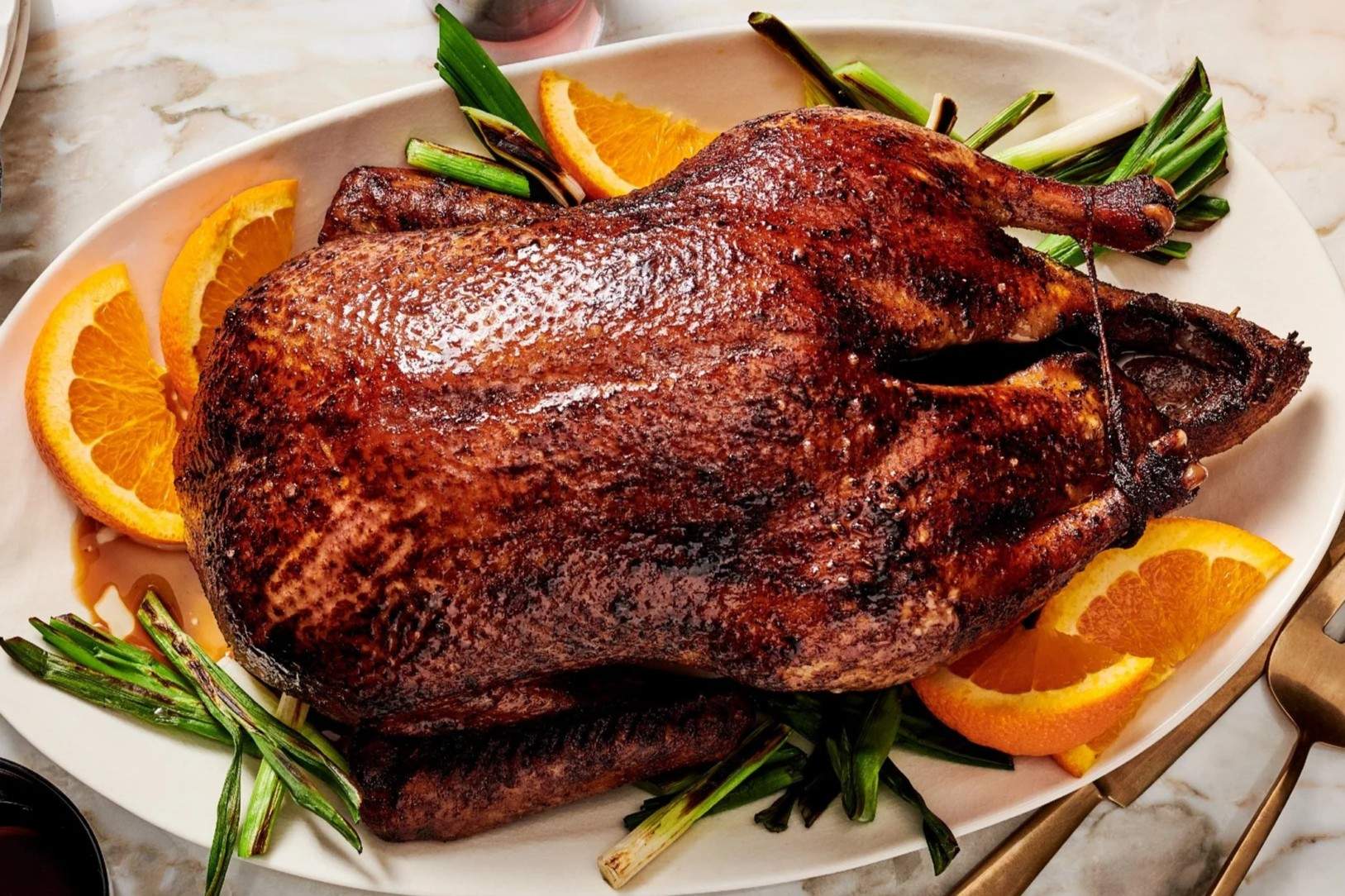 Roasted Duck Recipe | Gastrodome.com.my
But What About Salmonella? Really?
Okay, let’s get real for a second. Yes, salmonella is a risk with any poultry. But the odds of getting sick from duck are lower than from chicken. Think of it like jaywalking—technically illegal, but most people do it without incident. You’re not a bad person for enjoying pink duck.
That said, if you’re cooking for someone who’s pregnant, elderly, or has a weak immune system, maybe stick to the safe side. You can still cook duck to 165°F and enjoy it—just consider basting it with butter or a glaze to keep it moist. It won’t be as dramatic, but it’ll be safe.
For the rest of us? Grab a meat thermometer, aim for 135°F, and let the duck rest for a few minutes. The carryover heat will push it up to about 140°F. That’s the sweet spot—pink, juicy, and honestly, a little bit rebellious.