If you see black, green, or pink fuzz, don’t try to cut it off like a bad haircut. Mold roots are deeper than you think. On bread, the visible part is just the tip of an iceberg of spores. Eating that can cause nausea, respiratory issues, or worse. I once ate a piece with a tiny green dot and spent the next day feeling like a possessed washing machine. Not worth it.
One surprising fact: preservative-packed bread from the supermarket can last weeks past its date. I found a pack of hot dog buns in my car after a month—still soft, no mold, smelled like chemicals and happiness. I ate them. I’m fine. But don’t test the universe.
When in Doubt, Throw It Out
Yes, I’m a champion of bread resurrection. But there’s a line. If the loaf is past two weeks, or if you feel a primal revulsion when you open the bag, listen to your gut. Your body is smarter than your wallet. A $3 loaf isn’t worth a $3,000 ER visit. Plus, you can always make breadcrumbs or croutons out of stale-but-clean bread. That’s not waste—that’s evolution.
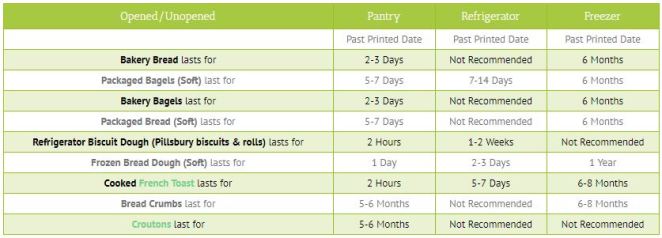
So, how long is bread good for after the expiration date? About five to seven days for normal store-bought, up to two weeks for sourdough, and months if frozen. But the real answer is: until it looks, smells, or tastes like regret. And if you’re still scared, just remember—bread has survived wars, plagues, and your college dorm. It can probably handle one more day in your pantry.
Now go make that toast. You’ve earned it.