
Cream cheese is basically milkfat, water, and lactic acid held together by sheer stubbornness. When you bake it, the protein network firms up, but the fat keeps it creamy instead of turning into a rubber hockey puck.
If you tried to use, say, cheddar or mozzarella, you’d get a stretchy, greasy nightmare that would haunt your dreams. Don’t do that.
Here’s a shocking fact: Real cream cheese has less than 33% fat and must contain at least 33% milkfat by law. That’s a lot of fat, which is why cheesecake is basically a hug for your taste buds and a punch to your arteries.
The Great “Should You Use Brick or Whipped?” Debate
Please, for the love of all that is holy, use the brick. The whipped stuff is full of air and stabilizers, which makes your cheesecake crack like a dried-up lake bed. You want dense, not aerated.
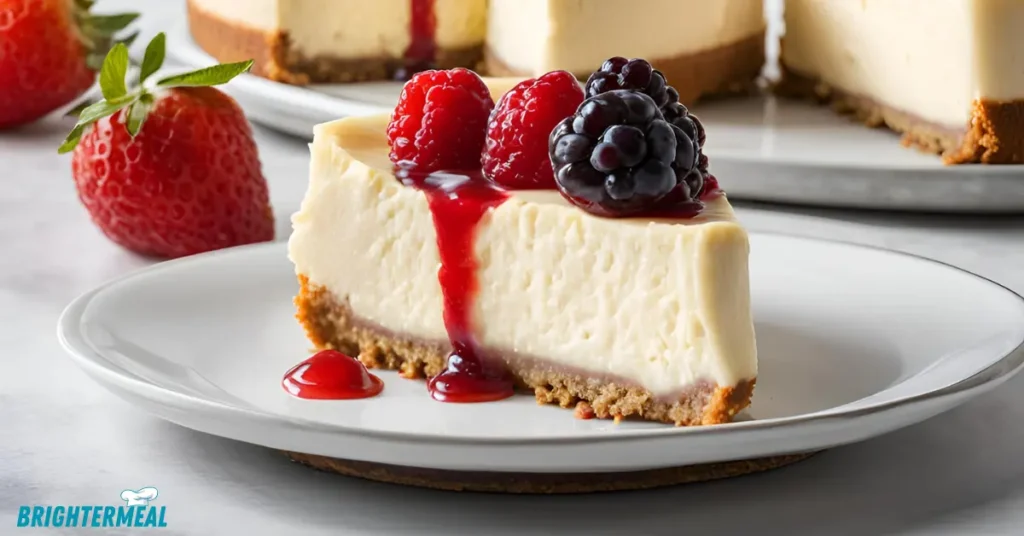 Philadelphia Cream Cheese Cheesecake Recipe
Also: Let the cream cheese come to room temperature. If you mix cold cream cheese, you’ll get lumps, and those lumps will mock you as you nervously slide your masterpiece onto the table. Room temp is non-negotiable.

