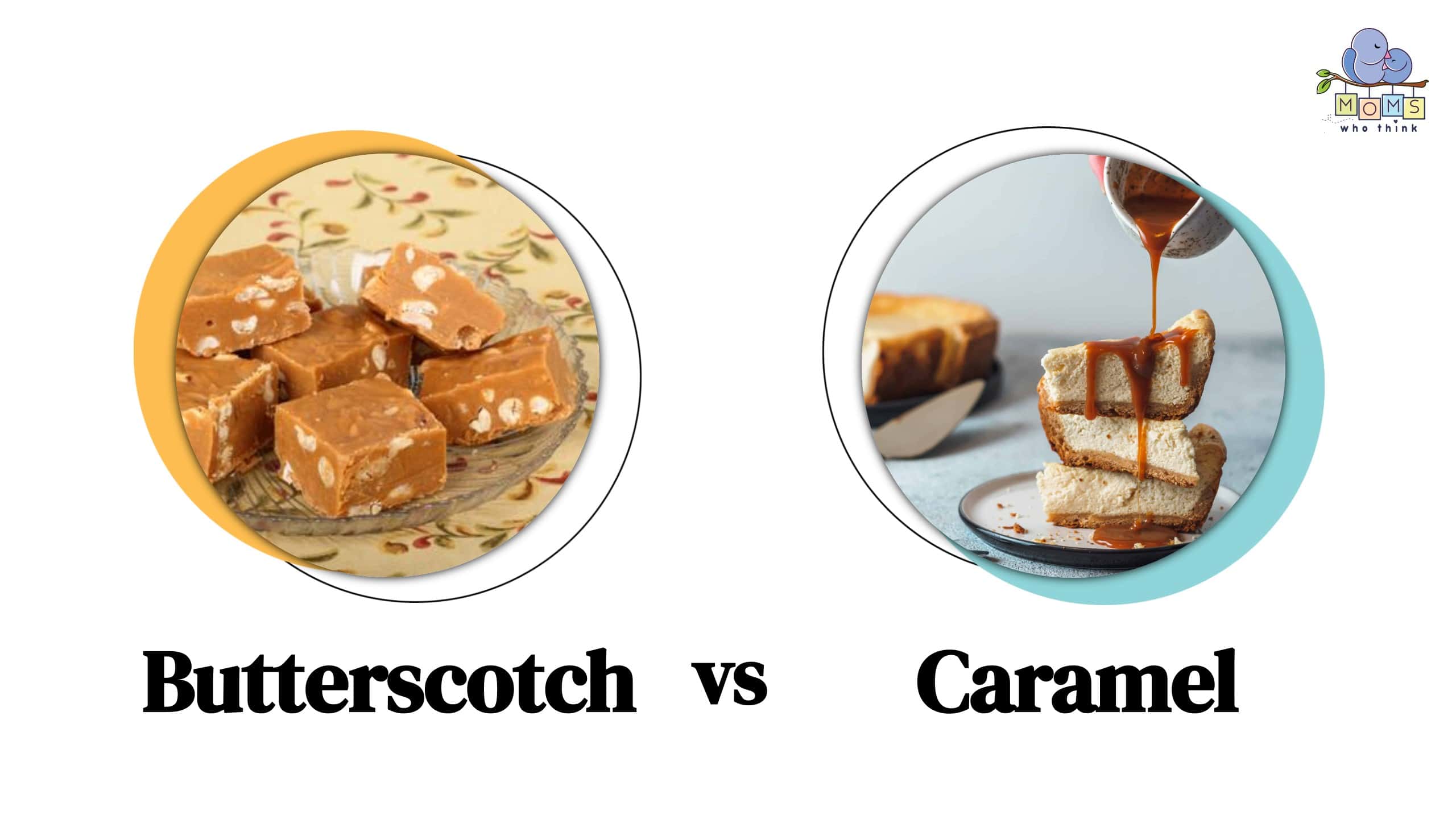
Here’s the deal: both butterscotch and caramel start with the same foundation: melted sugar. That’s it. You heat sugar until it turns into a liquid, and you’re already halfway to either destination. But from that point, they take totally different paths. Caramel is the extrovert that invites heavy cream and butter to the party, while butterscotch is the shy cousin who says, “Actually, let’s keep it simple with just butter and brown sugar.”
Wait—so they both use butter? Yes, but here’s the kicker: butterscotch always uses brown sugar, while caramel usually starts with white granulated sugar. That tiny swap changes everything. Brown sugar brings a hint of molasses, which gives butterscotch that deeper, almost toasty flavor. Caramel, on the other hand, is all about that clean, pure, buttery sweetness—like a sunbeam in liquid form.
Oh, and one more thing: vanilla often sneaks into butterscotch, but it’s optional for caramel. It’s like butterscotch is the friend who brings a signature cologne to the potluck, while caramel just shows up looking effortlessly good.

