
Here’s a fact that will make you paranoid: soft cheeses like brie, feta, and queso fresco are the most dangerous when spoiled. They’re moist and have low acid, making them a five-star resort for bad bacteria. Hard cheeses like cheddar or parmesan are much safer—you can cut off the mold by an inch and often be fine.
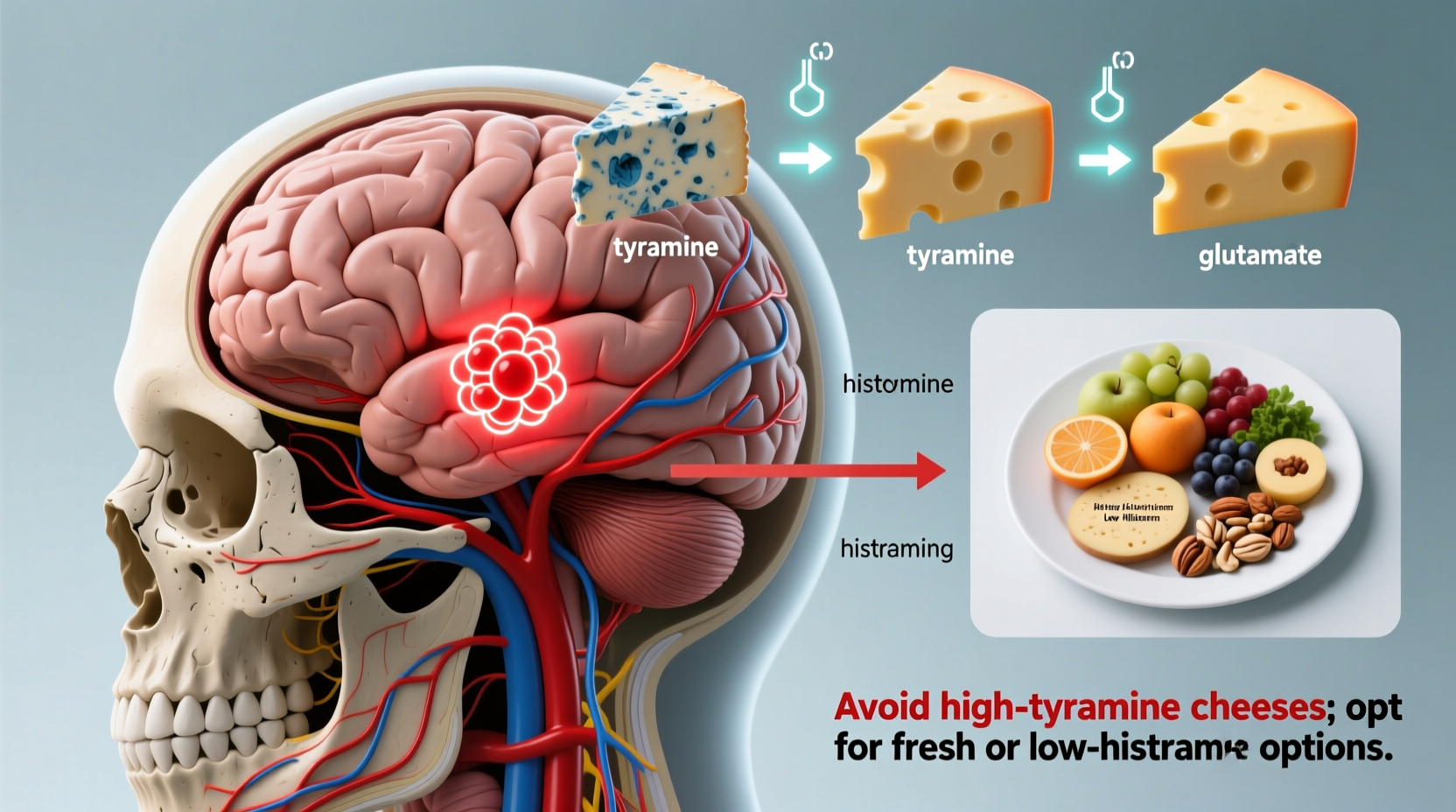 Why Do I Get Headaches After Eating Certain Cheeses And How To Prevent Them
But fun fact: blue cheese lovers, rejoice! The mold in your stilton is intentionally added and perfectly safe. It’s only when other molds (like the black or pink ones) show up uninvited that you’re in trouble. Think of it as your cheese having a permanent houseguest—annoying, not deadly.
How to Tell If You’re Doomed (Already)
Look, your nose knows. If the cheese smells like sweaty socks and regret, don’t eat it. If it’s slimy? Run. Slimy cheese is bacteria having a pool party with their tiny floaties. A little dry, greenish mold on hard cheese? You can cut it off with an inch of margin—but only if you’re brave and promise not to blame me.
One more stat to freak you out: Listeria can take up to 70 days to cause symptoms. Yes, seventy. You could eat bad deli cheese, move to a new city, adopt a cat, change careers, and then get sick. That’s not food poisoning; that’s a career criminal on the lam inside your gut.

