Don’t let the pork lobby fool you. Cows have ribs, and they’re magnificent. They’re just… different. Beef ribs are huge. We’re talking dinosaur-sized. A single beef rib can weigh as much as a whole rack of pork ribs.
You’ll find them in two main forms: back ribs (from the same area as a T-bone steak) and short ribs (chunks of meat from the belly area). Short ribs are a whole different ballgame. They’re often braised, not smoked, and they’re like meat candy.
 Spare Ribs vs Baby Back Ribs: Cook Time, Flavor, Cost, and More
But here’s the kicker: you’ll almost never see a full rack of beef ribs at a casual BBQ. Why? They’re just too big for the backyard. You’d need a forklift to flip them.
The Menu Trap: How to Order Like a Pro
Picture this: you’re at a restaurant. The menu says “Baby Back Ribs.” That’s always pork. Baby back ribs come from the pig’s spine area. They’re leaner, more tender, and the most expensive cut. The name “baby” just means smaller bones, not actual baby pigs.
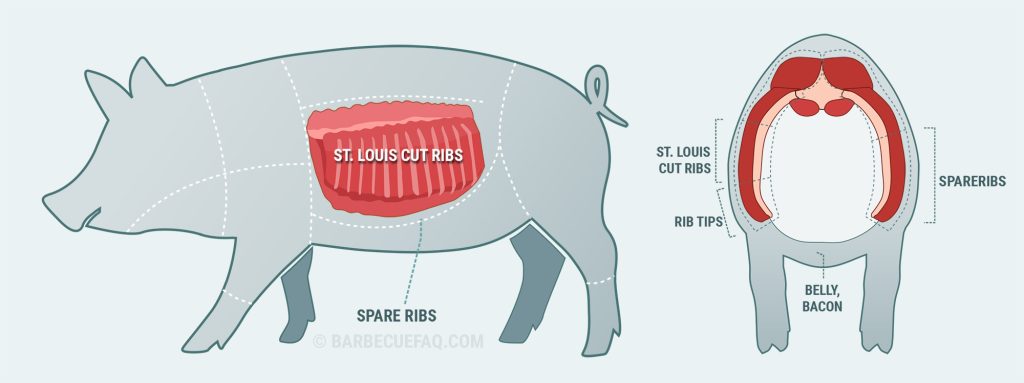
Then you see “Spare Ribs.” Also pork. These come from the belly, just below the baby backs. They’re bigger, fattier, and packed with flavor. They’re the workhorse ribs. The ones you want for a slow, messy feast.
And if you see “Beef Ribs” on the menu? That’s a signal. You’ve wandered into serious territory. Beef ribs are a statement. They’re the “I’m here for the long haul” order. You’ll need a napkin the size of a tablecloth.