Is Wild Caught Tuna Good For You
Okay, let’s talk tuna. Specifically, that shiny, expensive-looking can (or fresh fillet) labeled “Wild Caught.” Is it the superhero of the sea, or just another fishy fad? Get...
Okay, let’s talk tuna. Specifically, that shiny, expensive-looking can (or fresh fillet) labeled “Wild Caught.” Is it the superhero of the sea, or just another fishy fad? Get a comfy chair, maybe grab a snack (not tuna yet—we’re investigating!), and let’s dive in.
First up, the good news that might make you do a little chair dance. Wild caught tuna is packed with lean protein—the kind that builds muscles and keeps you full without the bloat. It’s basically nature’s energy bar, minus the weird aftertaste.
But the real superstar here is omega-3 fatty acids. These little guys are like tiny tuxedoed waiters for your brain and heart. They reduce inflammation, keep your mood sunny, and might even make you better at remembering where you left your keys. (No promises on the keys, though.)
Now, let’s get real about mercury. Yes, tuna has it. Wild caught tuna isn’t a saint—it’s a predator fish that munch on smaller fish, and mercury builds up like that one friend who never leaves a party. But here’s the catch: moderation is your BFF.
The FDA says eating 2-3 servings a week of low-mercury seafood is totally fine. For wild caught tuna (especially skipjack or albacore), stick to that and you’re golden. Pregnant? Kids? Just swap to smaller cans or light tuna. Easy peasy.
What about farmed vs. wild? If you’ve ever seen farmed tuna packed in pens, it’s a little like comparing a backyard chicken to a free-range eagle. Wild tuna swims for its dinner, so it’s leaner, darker, and has more of those omega-3s we drool over. Farmed? It’s often fattier and lower in key nutrients.
Plus, wild caught is usually higher in selenium. This mineral is a clever bodyguard that actually helps flush out heavy metals like mercury. So wild tuna gives you a little built-in detox system. How’s that for teamwork?
But wait—there’s one wild card. The ocean is not a McDonald’s. Overfishing is a real bummer, so not all wild caught tuna is eco-friendly. Look for labels like “pole-and-line” or “FAD-free” (Fish Aggregating Device)—basically, fishing methods that don’t wreck the ocean’s dance floor.
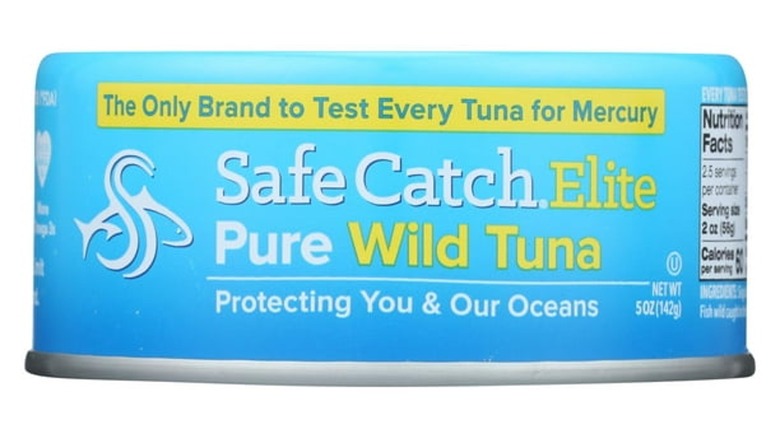 The Differences Between Canned Tuna Explained
If you see MSC-certified (Marine Stewardship Council), that’s a green light. It means some very serious scientists gave the tuna a thumbs-up for sustainability. You’re eating guilt-free, which makes the tuna taste even better. Science says so. Or maybe that’s just my brain.
Now, let’s talk taste, because nobody eats for health alone, right? Wild caught tuna has a bolder, meatier flavor than the bland, pale farmed stuff. It’s like the difference between a jazz solo and elevator music. Your taste buds will know.
Texture-wise, it’s firmer and flakier. Perfect for a seared steak with sesame seeds, or tossed in a salad with a zingy dressing. Just don’t overcook it—dry tuna is a crime against humanity. Rare to medium-rare is the sweet spot. Trust me, Julia Child would nod in approval.
What about canned wild tuna? I hear you—canned tuna is the MVP of lazy meals. The big difference: “chunk light” (usually smaller, younger fish like skipjack) has less mercury than “solid white” (albacore). So go for chunk light if you’re a daily tuna salad devotee.
And while we’re at it, drain the oil or water. That liquid? It’s just a vehicle for soggy sadness. Plus, draining reduces sodium and calories. Drizzle your own olive oil or lemon juice instead. You’ll feel like a gourmet chef, even if you’re eating over the sink.
Still worried about environmental impact? I get it—eating should feel good from fork to finish. The good news: many wild tuna fisheries are actually rebounding thanks to stricter quotas. You’re supporting a system that’s getting better, not worse. Every can is a tiny vote for change.
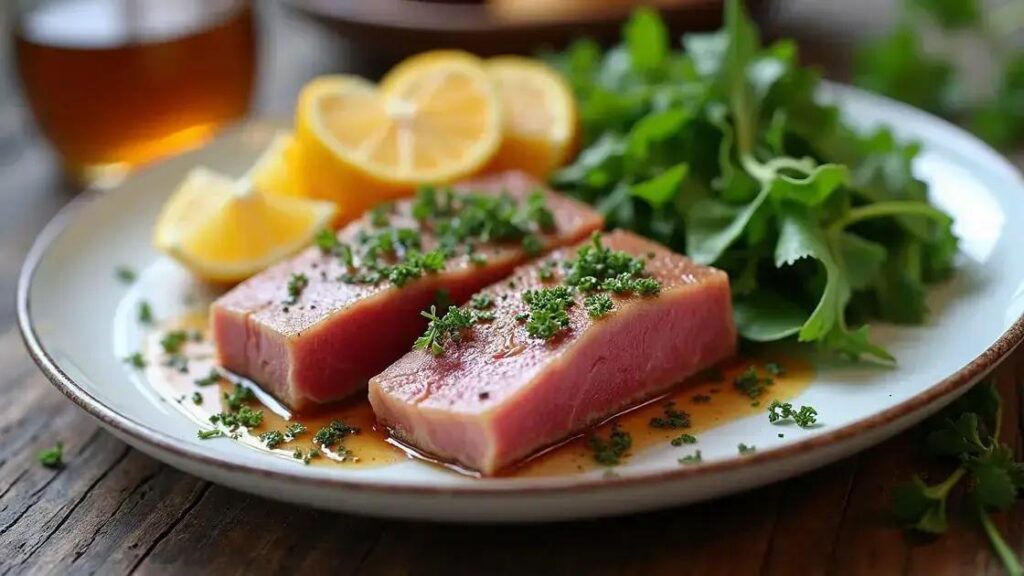 Recipes with Wild-Caught Tuna for Healthy Testosterone Boosts
And let’s be honest: farmed tuna can be crammed with antibiotics and questionable feed. Wild tuna noshes on squid and anchovies—a diet straight out of a seafood cookbook. It’s the cleaner, more natural choice, even if it costs an extra dollar.
One more fun fact: wild tuna contains vitamin D—the sunshine vitamin we’re all tragically low on. It also packs B vitamins for energy and potassium to keep your heart from throwing a tantrum. Seriously, this fish is a multivitamin in a swimsuit.
But here’s the secret sauce: you don’t have to make tuna your entire personality. Mix it up—pair wild tuna with sardines (sustainable and cheap!), or even try mackerel for a change. The ocean offers a buffet. Tuna is just the charismatic friend at the table.
So, is wild caught tuna good for you? Absolutely, yes—with a side of common sense. Eat it a couple times a week, choose the right species, and keep an eye on sustainability. Your heart, brain, and taste buds will throw you a tiny party.
And if you ever feel guilty, just remember: that tuna had a pretty epic life—swimming across oceans, dodging dolphins, and living its best fishy life. You’re basically re-specting its legacy by treating it right on your plate. That’s a win-win.
Now go forth, open that can (or sear that steak), and eat with joy. You’ve got this—and the ocean is cheering you on. (Probably with little fishy applause.)