
In Thai cuisine, tilapia is often fried whole until it’s crispy and golden, served with a tangy tamarind sauce. The contrast of the crunchy skin and the white, flaky meat is a textural symphony—just saying.
Here’s a weird but true fact: tilapia is the most farmed fish in the world, and it’s been called “the chicken of the sea” for a reason. It’s affordable, mild, and takes on whatever flavor you throw at it—like a culinary blank slate with fins.
In Latin America, you’ll see it grilled whole with a bright green cilantro- lime sauce, the skin charred and blistered. The meat underneath stays snowy white, proving that heat is the fish’s best friend—and worst enemy if you’re not careful.
Practical Tips for the Casual Cook
Buy filets that are uniform in thickness. That way, they cook evenly, and you won’t end up with a raw center and a dried-out edge. Think of it like choosing a good steak—balance matters.
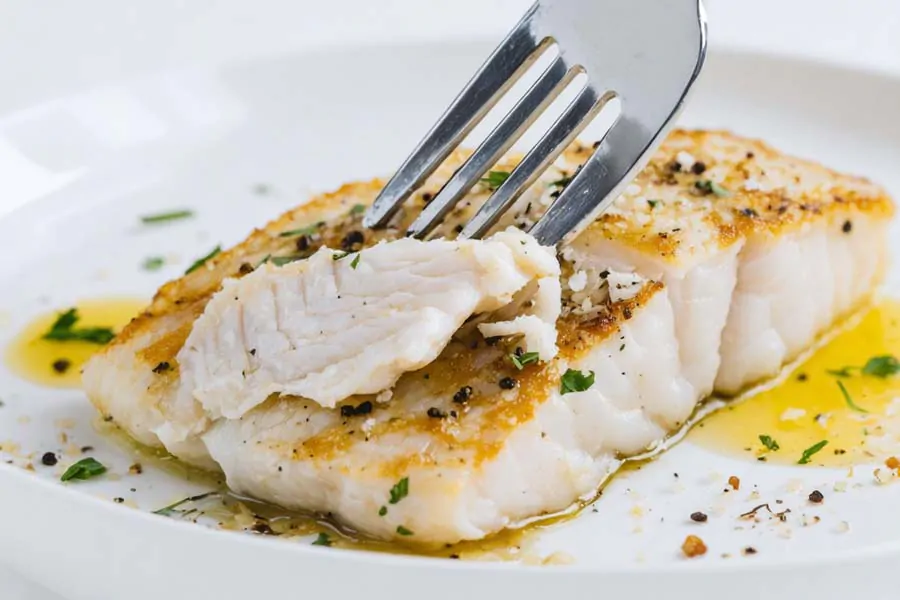 What is Tilapia? How much do you know?
Cook tilapia skin-side down first if it has skin. The skin acts like a natural barrier, keeping the delicate flesh from sticking and breaking apart. Plus, crispy skin is chef’s kiss.
Use a thin spatula to flip it. Thicker ones can tear the filet into sad little confetti. Go for the slim, flexible kind—like the ones from your favorite diner. You’ll thank me later.
Don’t overcook it. The window between perfect and dry is about 90 seconds. Cook it until just opaque, then let it rest for a minute. The residual heat finishes the job, like a gentle massage after a workout.

