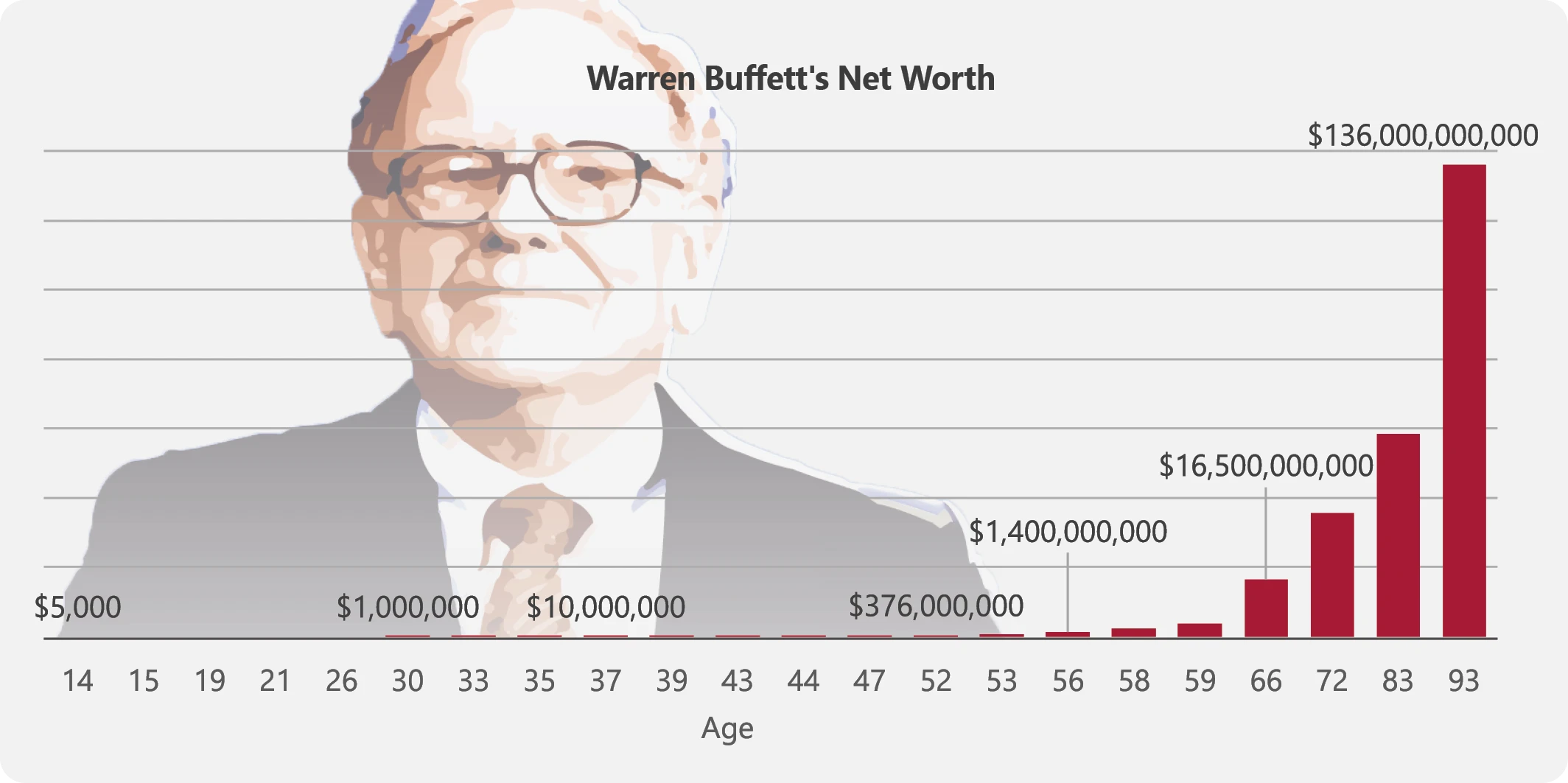
Why Warren Buffett Has Promised To Give Away More Than 99% Of His Fortune
There is something deeply compelling about a person who achieves the pinnacle of financial success and then calmly declares it was never really about the money. Warren Buffett...
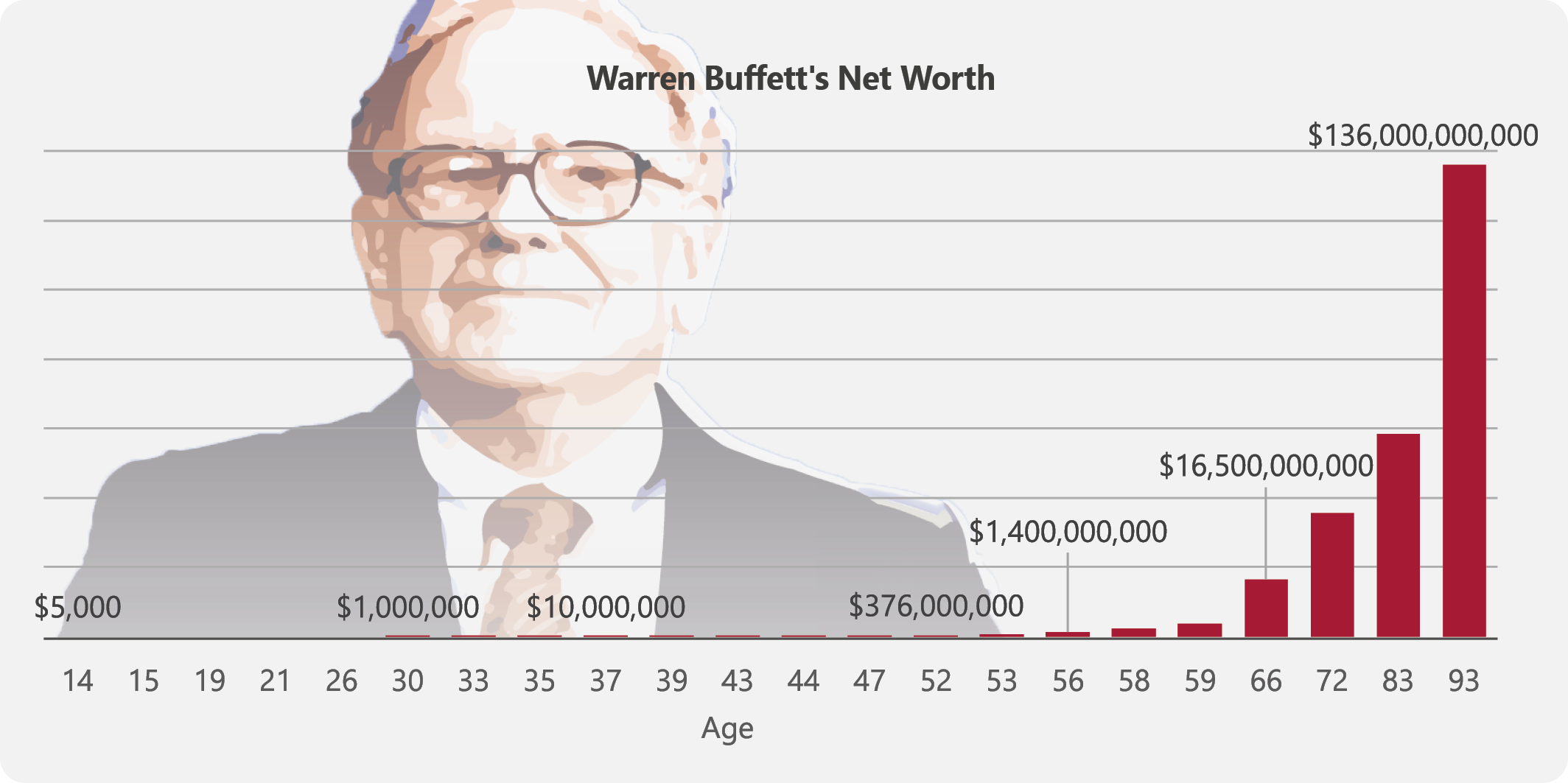
There is something deeply compelling about a person who achieves the pinnacle of financial success and then calmly declares it was never really about the money. Warren Buffett’s promise to give away more than 99% of his fortune resonates with us because it reframes wealth from a measure of personal status into a tool for collective good. It reminds us that true value isn’t found in accumulating, but in contributing.
The key purpose of Berkshire Hathaway’s “The Giving Pledge”—which Buffett co-founded with Bill and Melinda Gates—is to tackle the world’s most stubborn problems. By directing his billions toward health care, education, and poverty alleviation, Buffett provides capital to organizations that can scale solutions. This is not just charity; it is a systematic attempt to create a future where fewer children die from preventable diseases and more people have access to knowledge.
For everyday life, this philosophy offers a powerful reframe. You do not need billions to practice generosity of scale. Imagine a family who, instead of leaving a large inheritance, uses that money to fund a local library’s youth program. Or a professional who mentors three junior colleagues, multiplying their impact beyond any single paycheck. Buffett’s example shows that the habit of giving—whether time, expertise, or money—builds stronger communities and a sense of purpose.
Consider a concrete scenario: A small business owner earns a modest profit. Instead of buying a luxury car, she pledges 10% of that profit to a scholarship fund for local students. Ten years later, one of those students becomes a doctor who returns to serve the same town. That is the ripple effect Buffett champions—a legacy measured not in assets, but in lives changed.
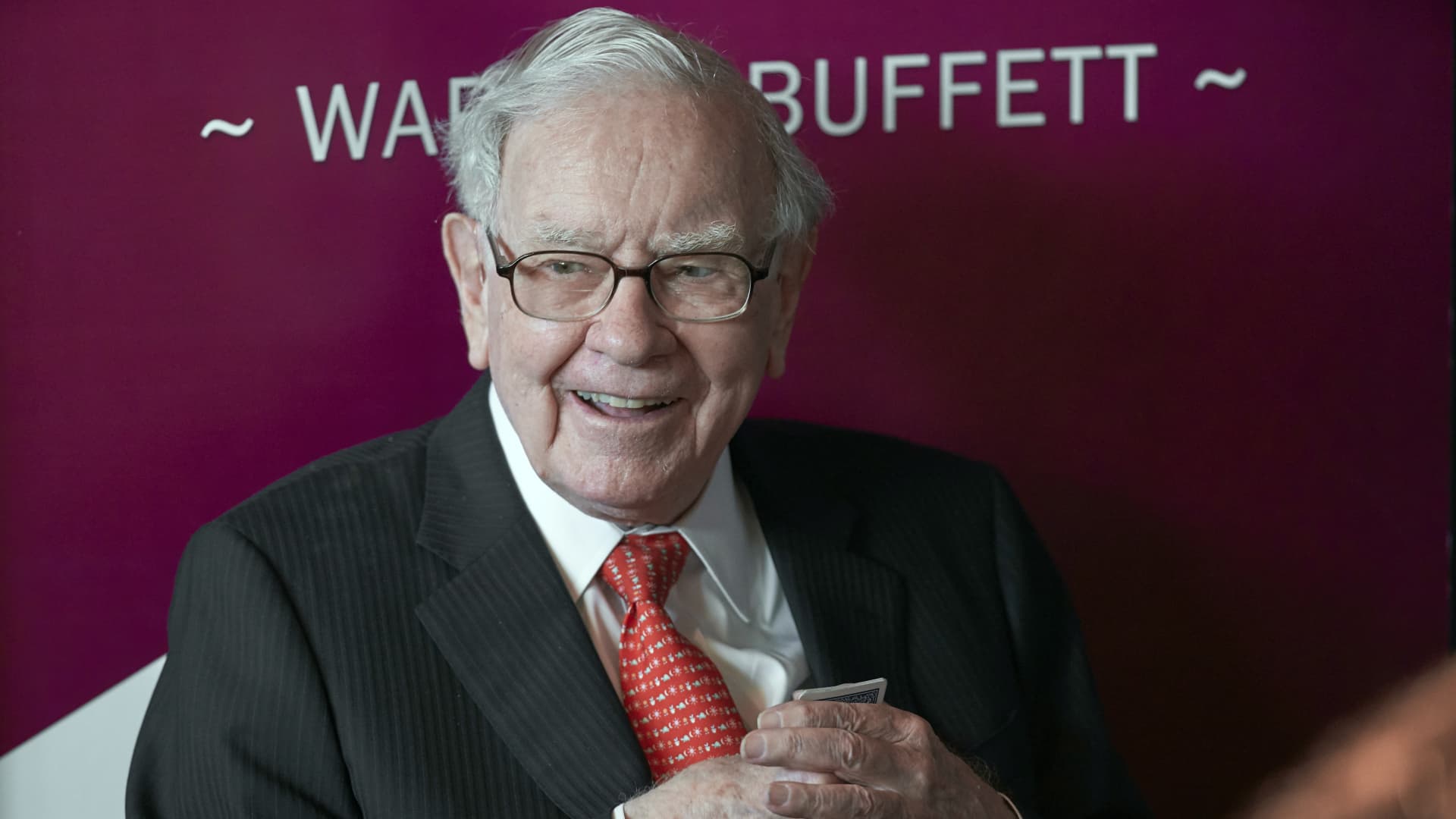 Warren Buffett's charitable giving exceeds $50 billion, more than his
To explore this mindset in your own life, start small. First, identify a cause you care about—education, health, or community arts. Second, commit to a fixed percentage of your income (even 1%) for that cause, treating it as a non-negotiable cost of living. Finally, share your plan with a friend or family member; accountability transforms good intentions into lasting habits. As Buffett himself says, “The best thing is to give while you live.”
Ultimately, Buffett’s promise challenges us to ask a radical question: What if your greatest wealth is what you give away? The answer is not about sacrifice, but about alignment—using your resources to create a world that reflects your deepest values. That is a lesson far more valuable than any stock market return.

:max_bytes(150000):strip_icc()/buffetts-road-to-riches-503bf79a9c444047840ea156fd648143.png)

