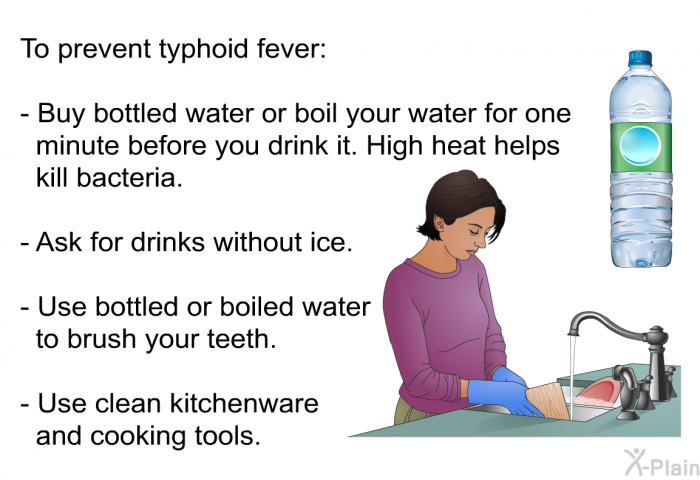
Here’s the reality check: boiling is fantastic for viruses, bacteria, and parasites like giardia, but it does not remove chemical contaminants like lead, pesticides, or heavy metals. That’s a filter job. So if you live in an older building with lead pipes, boiling your water before drinking won’t help—it might even concentrate the metals as steam escapes. Always test your source water if you’re concerned about industrial runoff or old plumbing.
Fun fact: the word “sterilize” gets thrown around a lot. Boiling water doesn’t make it sterile in the medical sense (that requires 250°F under pressure), but it does make it safe for drinking. There’s a difference, and it’s a comforting one for everyday life.
The “Ooh, That’s Neat” Factor
Did you know that boiling water for one minute is the same time it takes to soft-boil an egg? Coincidence? Probably—but it’s a fun mental anchor. Next time you’re making eggs, look at the pot and think, “Well, if I swapped the yolk for bacteria, we’d be good.”
Also, microwaving water can kill germs just as effectively, but it’s trickier because microwaves heat unevenly. The CDC still recommends the stovetop or a kettle for consistent results. Plus, you avoid the “exploding hot water” hazard that happens when you superheat a cup in the microwave—yes, it’s a real thing, and it’s terrifying.

