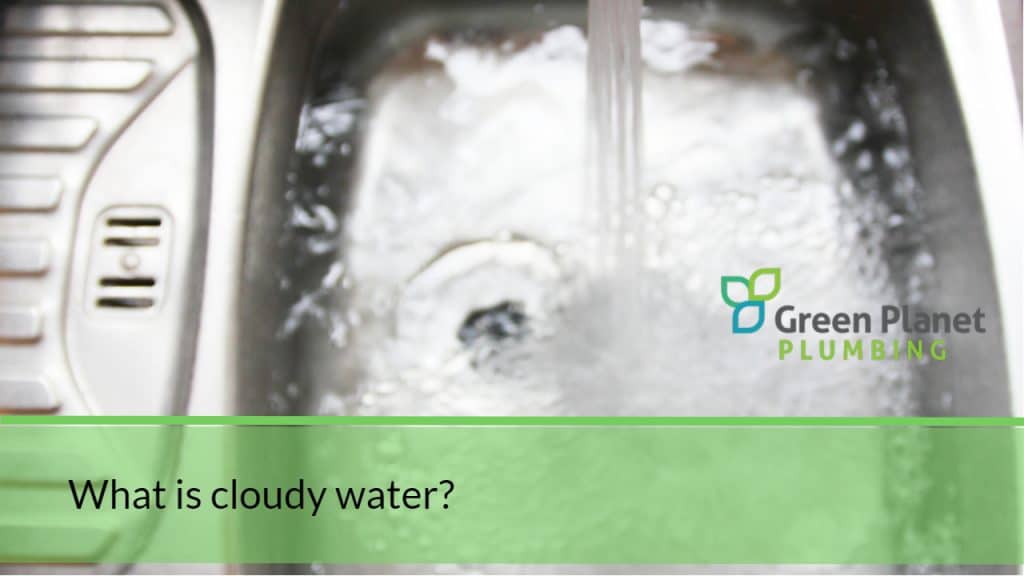
Most of the time, cloudy water is just water showing off. Think of it as H2O having a tiny, fizzy tantrum. The white or milky look is actually millions of microscopic air bubbles trapped inside the water. It’s exactly like what happens when you shake a bottle of soda, but without the sticky mess or the sugar rush.
Your municipal water system is under pressure to get the water to your house. When that pressurized water comes out of your tap, the air that was dissolved in it suddenly gets all excited and forms tiny bubbles. These bubbles are so small that they scatter light, making the water appear white. It’s basically your sink water doing a cheap magic trick.
If your water is cloudy, just fill a glass and set it on the counter. Watch it for a minute. If the cloudiness clears from the bottom up—like a slow-motion disappearing act—it’s air. The bubbles are escaping, rising to the top, and popping. No harm, no foul.
When It’s Not a Magic Show: The Cold Water Clue
This air bubble phenomenon is especially common in the winter. Have you noticed that cloudy water happens more often when it’s freezing outside? That’s because cold water can hold more dissolved gas than warm water. Think of cold water as a cozy hotel for air molecules.
When that cold water hits your warm kitchen pipes, the air gets kicked out of the hotel. It’s like a fire alarm going off—all those little air bubbles flee at once, making your glass look like a tiny snow globe. It’s your plumbing system’s way of saying, “Brrr, it’s cold in here.”
So, if you have a glass of cloudy ice water, don’t blame the tap. Blame the weather. And maybe your heater for being too aggressive.

