Reverse osmosis (RO) is just that—the opposite of natural osmosis. It’s like telling Mother Nature, “Nah, I’ll do it my way, thanks.” Instead of water naturally flowing toward salt, we push it through a super-fancy semi-permeable membrane (which is just a posh name for a very picky filter). This membrane is so tight that only water molecules can squeeze through—everything else, like salt, bacteria, and tiny bits of gunk (technical term), gets left behind. Think of it as the world’s most exclusive nightclub, where only H₂O gets past the bouncer.
Now, how does that happen? You need pressure. Lots of it. You’re basically using a pump to shove water against that membrane so hard that the pure water breaks through. It’s like trying to force your way into a packed elevator—except the people getting squished are salt and pesticides. And they stay squished. Result? You get crystal-clear, almost distilled-quality water on the other side.
Where Do You See This Magic?
You’ve probably used reverse osmosis without even knowing it. That pitcher with the blue filter in your friend’s fridge? Maybe not—that’s usually carbon. But the under-sink system that gives you water that tastes like it came from a mountain spring? Yep, that’s RO. The same tech is used to turn seawater into drinking water on ships and in places where fresh water is scarce. Imagine being a fish, looking at an RO system, and thinking, “Dude, that’s cheating.”
And it’s not just for drinking. Hospitals use reverse osmosis to make water for kidney dialysis machines. Why? Because the water has to be so pure that not even a single stray mineral ruins the process. It’s like the water version of a germaphobe with OCD. Also, car washes use it to prevent water spots—because even your car deserves a sparkling finish.
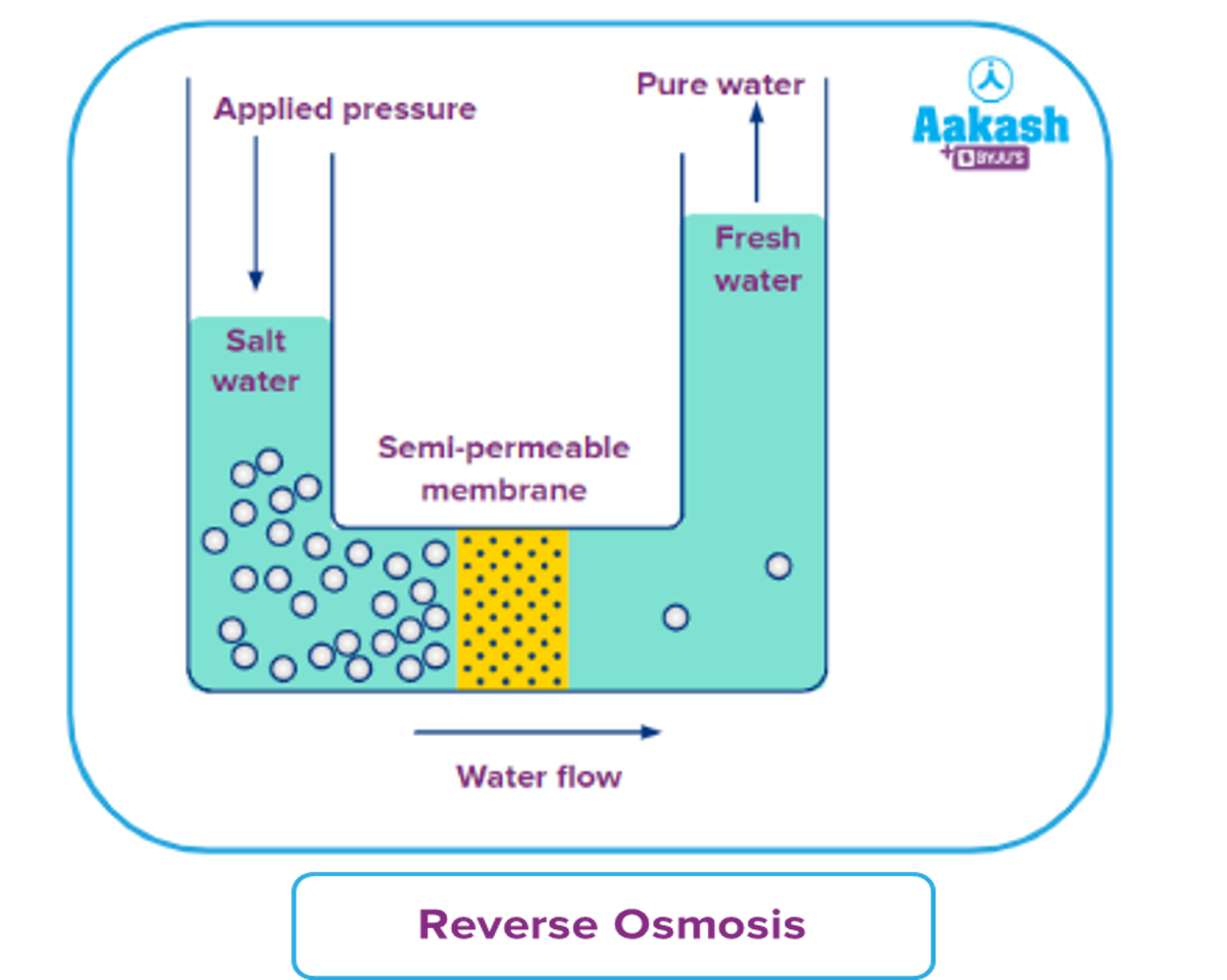 Osmosis Diagram Reverse Osmosis: Introduction, Principle, Working
The Jokes (and Downsides) of RO
Okay, let’s get real for a sec. Reverse osmosis is not perfect. It’s a little wasteful. For every gallon of pure water you get, an RO system might flush away 2 to 4 gallons of “reject water” (basically, a concentrated soup of all the bad stuff). That’s a lot of H₂O going down the drain. But modern systems are getting way smarter—some recycle that reject water for your garden or to flush the toilet. Because hey, why waste a good soup?
Also, RO water is so pure that it tastes, well, flat to some people. All the minerals that give water its “zip” (calcium, magnesium) are stripped out. So lots of filters add a remineralization stage to put the yum back in. It’s like getting a skin-tight suit tailored, then adding a little pocket for your favorite candy.
Another setup issue: price. A decent RO system can run you a few hundred bucks, and you have to change the filters every 6–12 months. But compare that to buying bottled water for the rest of your life? It’s cheaper—and you’re saving the planet from all those plastic bottles. So you can sip guilt-free while also flexing on your wasteful neighbors.
Should You Get One?
Honestly? If your tap water tastes like a swimming pool (chlorine) or like you licked a rock (hard minerals), an RO system is a game changer. It’s also great if you have a fish tank, make coffee, or just want to feel fancy. But if you love the taste of your local water and it’s not full of lead or pesticides, you can totally skip it. No judgment here. Drink what makes you happy.
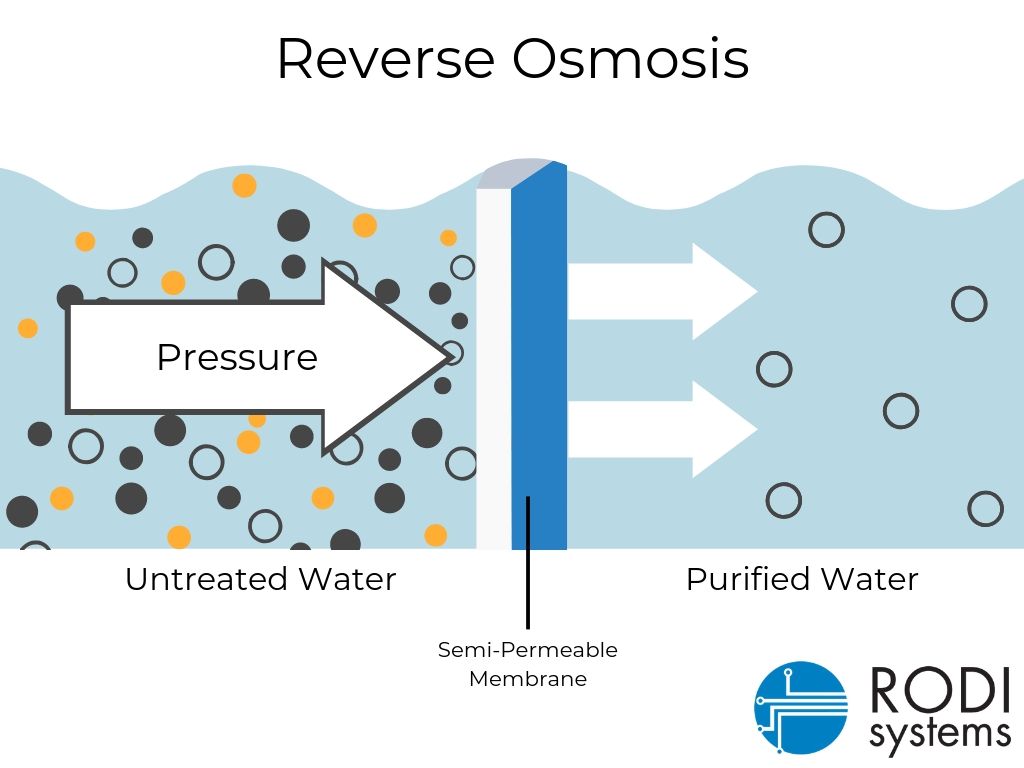 Reverse Osmosis Process
And here’s the coolest part: reverse osmosis is nature’s own hack turned up to eleven. We took a simple biological process—osmosis—and said, “What if we flipped it?” And now we can make a desert bloom, give astronauts safe water, and keep your veggies from wilting. That’s not just smart; that’s playful genius.
So next time you fill up a glass of RO water, take a moment to toast the membrane. That little sheet of plastic or polymer worked harder than your entire office break room. And you? You’re drinking the winner of a microscopic obstacle course. You’ve earned that refreshing sip. Go ahead, give it a smile. You’re not just hydrated—you’re empowered.
And if anyone asks why you’re grinning at a glass of water, just wink and say, “Osmosis, baby. But in reverse.”
They’ll either be impressed or think you’ve finally lost it. Either way, you win.