
Okay, so your water is being a bit extra—why does it matter? Because hard water can hit your wallet. Appliances like your dishwasher, washing machine, and water heater have to work harder, which means they break down sooner. A water heater with heavy mineral buildup can waste energy like a teenager leaving the fridge open.
You’ll also spend more on soap and detergent. Hard water fights your cleaning products, so you need double the amount to get the same result. It’s like trying to wash mud off a car with a spray bottle—why make life harder than it needs to be?
And don’t forget your skin. Hard water can dry out your skin and exacerbate conditions like eczema. That “winter itch” you get in summer? Might just be your tap water being a bit too mineral-rich for comfort.
The Fun Way to Check for Hard Water
You don’t need to buy a fancy test kit right away. Try the soap test at home: fill a clear bottle with tap water, add a few drops of plain liquid soap (no fancy stuff), cap it, and shake it like you’re making a cocktail. If the water gets cloudy and barely suds up, congrats—you’ve got hard water.
Or ask your local water utility. Most areas have a report online that tells you exactly how hard your water is, usually measured in grains per gallon. If it’s above 7 grains, you’re in hard water territory. Some places, like parts of the Midwest and Southwest, are notorious for this.
Still curious? Look at your neighbors’ driveways. If every car has white spots after a rinse, that’s a telltale sign of mineral-rich water. It’s like a secret handshake for your whole community.
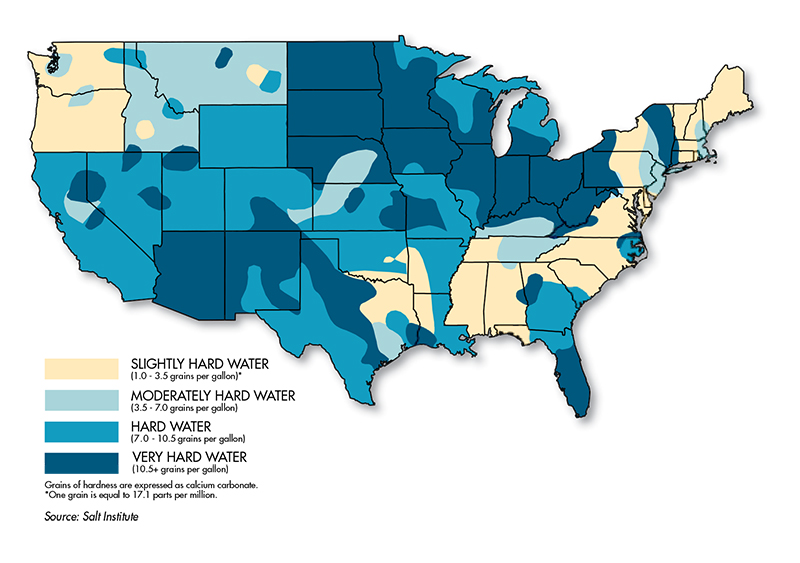 Hard Water Areas | Sun Soft® Water Softening Salt

