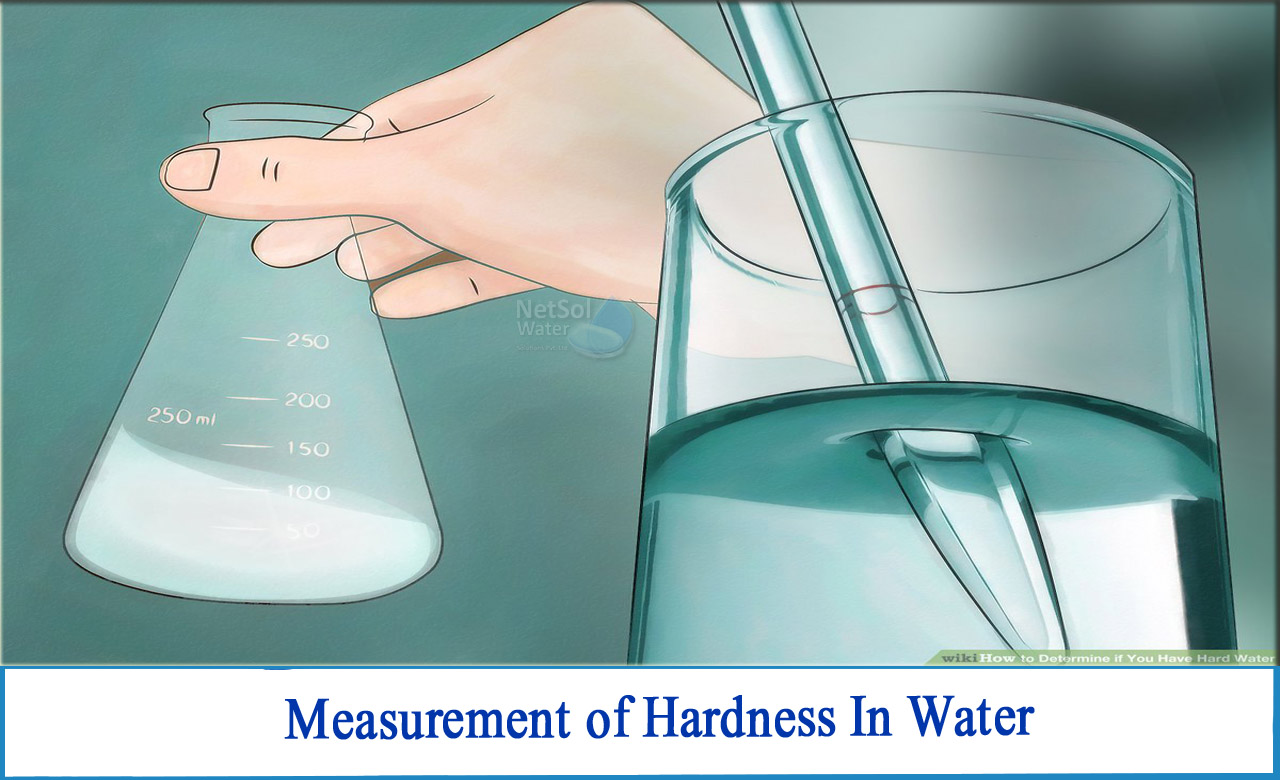
Before you buy any fancy kit, try the soap shock test. Fill a clear bottle halfway with tap water, add a few drops of pure liquid soap (not detergent), and shake it for ten seconds. If you get a fluffy mountain of suds, your water is soft. If you get a thin, sad layer with a cloudy liquid underneath, you’ve got hard water.
This works because soap reacts with calcium and magnesium to form that scummy precipitate. I call it the “poverty test” because it costs you nothing but a drop of soap (and your pride, if the results are brutal). Your hands will also feel “squeaky clean” after rinsing with hard water, which is actually a sign of the soap scum bonding to your skin. Lovely, right?
Strips, Drops, and Digital Gizmos
If you want actual numbers instead of just a sad bottle of suds, you have three main weapons. The test strips are the lazy person’s choice: dip in water, wait two seconds, compare the color to a chart. They tell you if your water is “soft” (0-60 ppm), “moderate” (60-120 ppm), or “you’re basically drinking chalk” (120+ ppm).
For more precision, use a liquid drop test kit. You fill a vial, add a chemical drop by drop until the water changes color, and count the drops. Each drop equals one grain of hardness per gallon (or 17.1 ppm if you’re a metric nerd). This is the “mad scientist” method and honestly, it’s fun watching that pink water turn blue.
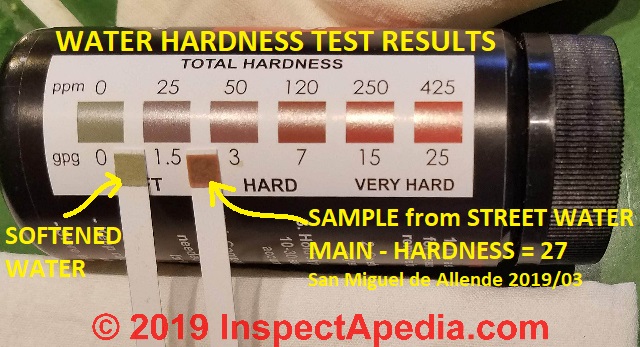 Water Hardness Scale
If you’ve got money to burn, buy a digital TDS meter (total dissolved solids). You dip it in, it gives you a number, and you instantly know your water’s mineral load. Just remember: a TDS meter measures all solids, not just hardness minerals. So if your water is high in sodium, that meter will lie to you about the actual hardness.

