
In Japan, many people swear by “kangen water” (electrolyzed alkaline water) for better hydration and health. In Europe, sparkling mineral waters with a naturally low pH, like Perrier (around 5.5), are celebrated for their crisp tang. Meanwhile, the alkaline water trend in Hollywood has celebrities sipping from pH 9+ bottles, hoping for anti-aging magic.
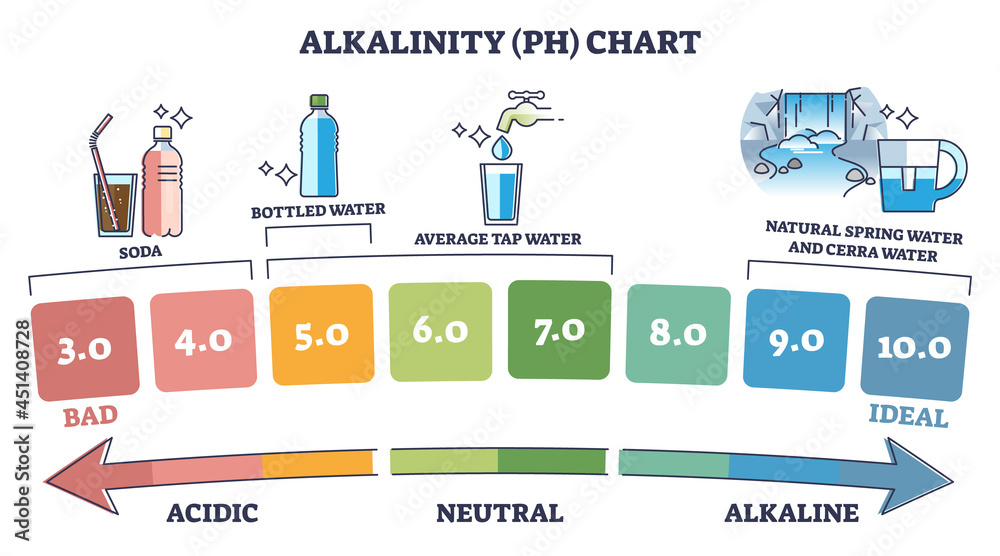 Decoding The PH Chart For Water: Understanding Acidity, Alkalinity, And
The truth? Both ends of the spectrum have their place. Lemon water (acidic) is great for digestion, while a pinch of baking soda (alkaline) can soothe heartburn. Your body handles both just fine. The real focus should be on drinking enough water, period—whatever its pH number.
Practical Tips for Your Daily Glass
If you’re curious about your tap water’s pH, call your local water utility. They publish annual reports for free. For bottled water, check the label or the brand’s website—many proudly list their pH on the bottle. A good rule of thumb: clear, neutral, and consistent is usually best.
Want to nudge your water’s pH at home? Add a slice of lemon or lime to drop the pH slightly (making it more acidic and tangy). Or add a pinch of mineral drops like Trace Minerals to raise pH towards alkaline. Just don’t do this for health miracles—do it because you enjoy the taste or the ritual.
Also, remember that pH alone doesn’t measure water quality. Lead, chlorine, and bacteria are way more important. A high pH won’t save you from dirty pipes. Spend your worry budget on a good filter instead of chasing a number.
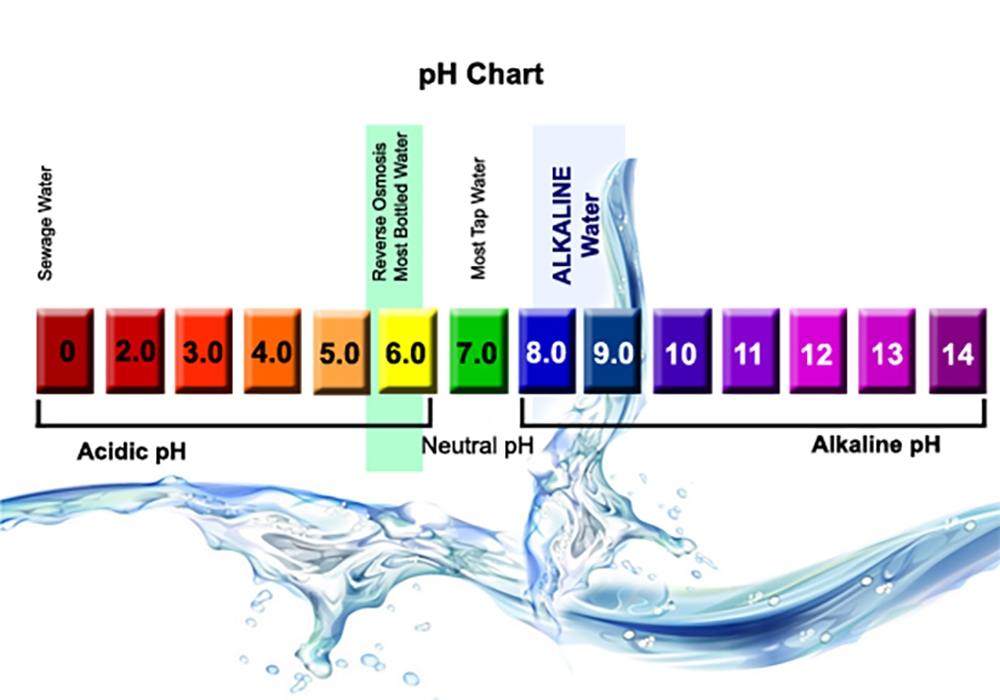 What Is PH In Water? How Much PH Is Good For Drinking Water?

