
Nine times out of ten, that cloudy white water is just tiny air bubbles playing hide-and-seek in your glass. Think of it like opening a bottle of soda—the sudden change in pressure releases gas, and your water gets fizzy for a second.
How can you tell? Fill a glass and let it sit on the counter for a minute. If the cloudiness clears from the bottom up, like a reverse magic trick, it’s air. Your pipes are just burping. (Funny visual, right?)
This happens more often in winter, when cold water holds more dissolved air. When it hits your warm kitchen, it releases that air like a relieved sigh. You’re basically drinking tap water that took a deep breath.
But Wait—It Stays Cloudy for Hours?
If your water stays milky after ten minutes, that’s a different story. Then we might be talking about sediment—tiny particles of sand, rust, or calcium. This is common in older pipes or after nearby construction shakes things up.
Try this: shake the glass gently. Does it look like a snow globe? That’s sediment. It’s usually gross-looking but not dangerous, though it can taste metallic. A simple filter can fix this without much fuss.
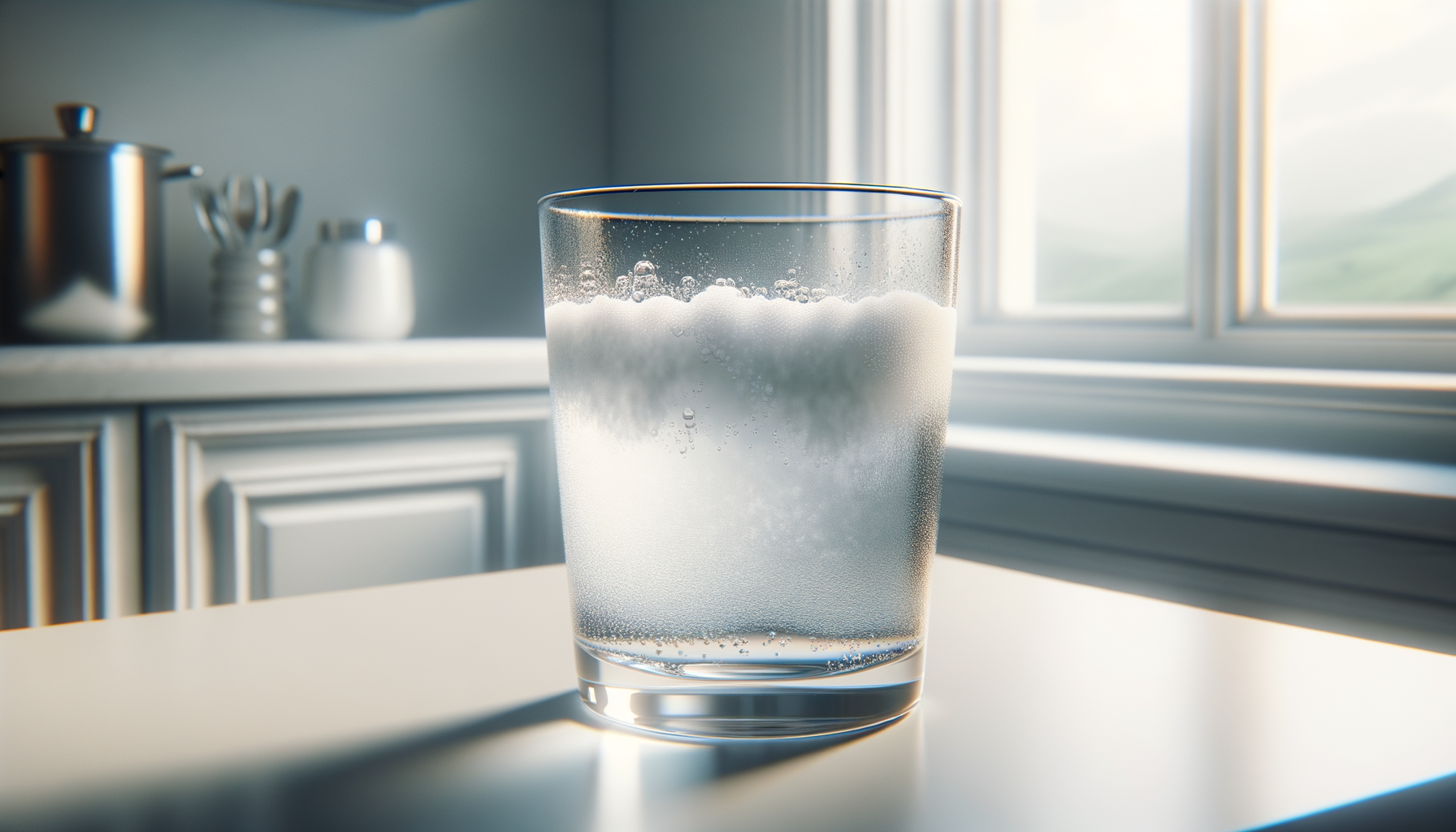 Why Is My Tap Water Cloudy or Milky?
I once had a friend who panicked for a week, only to realize the city was flushing fire hydrants nearby. Always check the neighborhood gossip first. (Trust me, your local Facebook group will have the drama.)

