Water isn’t just water—it has a personality, and pH is a big part of that. Water that’s slightly acidic (like a 6.5) can taste sharp or metallic. You might catch a faint tang, like watered-down fruit juice that's gone a bit sour.
On the flip side, water that’s more alkaline (say, an 8.5) can taste smooth or even a little bitter. Some people describe it as “slippery” on the tongue. Ever had bottled water that felt “flat” or “heavy”? That’s often the alkaline pH talking.
It’s like comparing a crisp green apple to a ripe banana—both are fruits, but they hit your taste buds completely differently. Your water’s pH is doing the same thing, one sip at a time.
The Chemistry Behind the Magic (Don’t Worry, It’s Fun)
Here’s where it gets interesting: pH stands for “potential of hydrogen.” All those hydrogen ions floating around in your water decide if it’s acidic or alkaline. More hydrogen ions? That’s acidic. Fewer hydrogen ions? That’s alkaline. It’s like a tiny, invisible dance party in your glass.
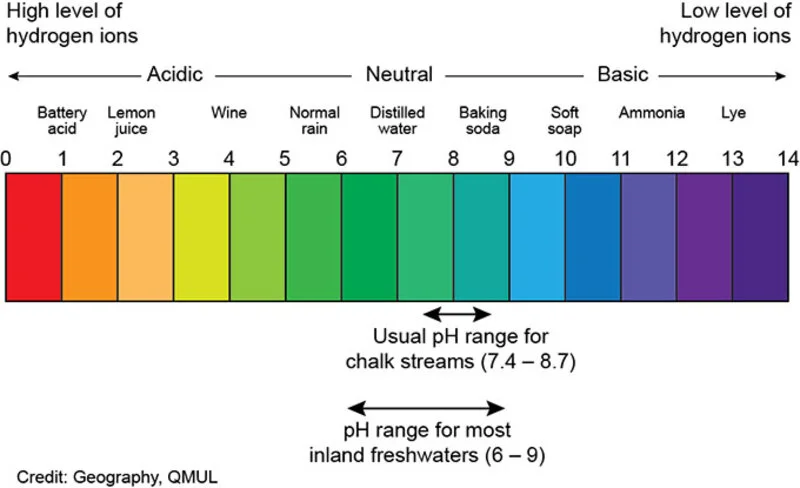 Beyond the Surface: A Deep Dive into Water Parameters
And get this—the pH scale is logarithmic. That’s a fancy way of saying that a water at pH 5 is ten times more acidic than water at pH 6. A difference of just 1 means a huge chemical shift.
This is why your fish tank, garden soil, or even your swimming pool needs careful pH monitoring. A swing of just a point or two can make your goldfish grumpy or your pool turn cloudy. It’s a big deal for a tiny number.