
At its heart, filtration is about physical size. Imagine trying to push a watermelon through a keyhole—impossible, right? That’s how a filter treats big particles like sand, rust, or tiny bits of dirt.
Activated carbon is the rockstar here. It’s basically charcoal treated to have a massive surface area, full of tiny nooks and crannies. These nooks grab chlorine, pesticides, and even bad odors like a magnet grabs iron filings.
Why is that cool? Because without carbon, your tap water might taste like a swimming pool. The filter snatches that chemical taste away, leaving you with something that actually tastes crisp and clean.
Not Just a Sieve: Chemical Chat Rooms
Filters aren’t just about holes. Some use a process called ion exchange, which sounds complicated but is just a friendly swap. Imagine trading your boring pebble for a shiny marble—that’s what happens with ions.
Water often has calcium and magnesium, which make it “hard.” The filter swaps those for sodium or potassium ions. That’s why some filters make your coffee taste better—no weird mineral tang messing with the flavor.
Another cool trick? Reverse osmosis (RO). This is like forcing water through a super tight net that even tiny molecules can’t squeeze through. It can remove lead, arsenic, or even pharmaceutical leftovers.
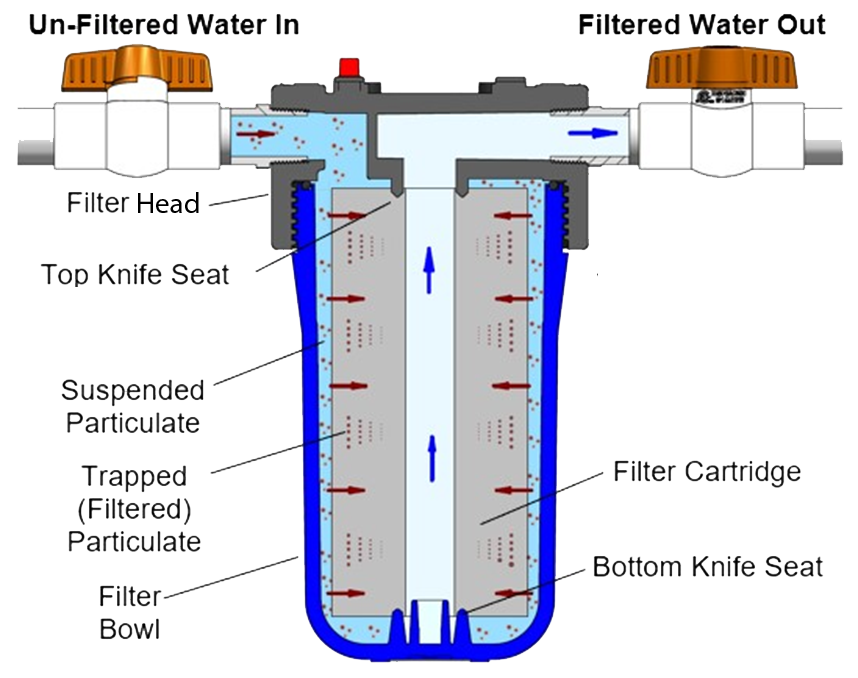 How Does Water Filtration Work?

