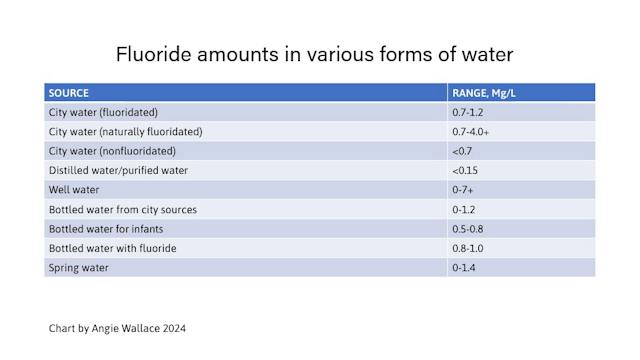
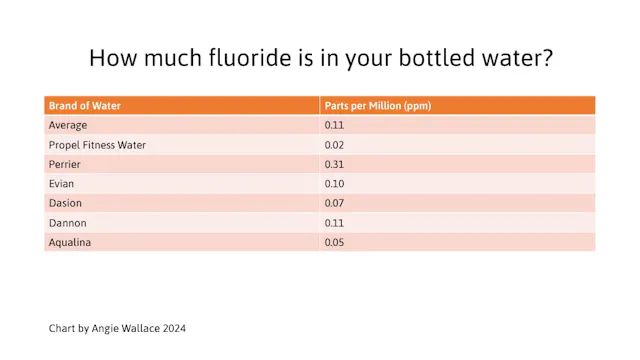
Ah, the shiny bottle in your gym bag. Most bottled water contains little to no fluoride, unless the label specifically says “fluoridated.” Many brands use reverse osmosis or distillation, which strip out the mineral. So if you’re a bottle-only drinker, you’re missing out on that silent protection. Your teeth might miss the party.
Same goes for home filters. A basic pitcher filter (like Brita) keeps fluoride in, which is great. But reverse osmosis systems or distillers remove it. If you use one, you might want to ask your dentist if you need a fluoride supplement. It’s a small thing, but your teeth will thank you at your next checkup.
 Fluoride: What’s new, what’s not, and what do dental patients need to
A Little Story from the Sink
My neighbor, Mark, used to brush his teeth twice a day, but he had cavities every year. His tap water was from a private well with zero fluoride. After a chat with his dentist, he started using a fluoride mouthwash. Next year? No cavities. He said it felt like his teeth finally had a shield. That’s the difference a tiny mineral can make.
So, the next time you fill a glass from the tap, remember that there’s a tiny champion in there, working a 24/7 shift for your grin. It’s not a science experiment—it’s just a smart, safe habit that humans figured out. Your parents probably grew up with it, and your kids will too. And all you have to do is drink up.
In short: fluoride in water is a gentle, invisible friend. It helps your teeth stay tough against sugar’s sneaky attacks. The amount is carefully controlled. And you get the benefits just by living your normal life. That’s something to smile about.

