
Watts Reverse Osmosis Filters Replacement
So, the other day, my neighbor Gary—bless his heart—calls me over for a glass of water. He’s beaming, holding up this crystal-clear glass like it’s a trophy. “Taste it,” he in...
So, the other day, my neighbor Gary—bless his heart—calls me over for a glass of water. He’s beaming, holding up this crystal-clear glass like it’s a trophy. “Taste it,” he insists. I take a sip, and honestly? It’s like drinking from a mountain spring. Perfect. Then he points under his sink, where this massive blue contraption is humming away. “Just replaced my Watts filters,” he says, wiping a fake tear. “Changed my life, man.” Gary’s a bit dramatic, but he wasn’t wrong. That moment got me thinking: if a hunk of plastic and carbon can make Gary this happy, maybe we all need to talk about Watts Reverse Osmosis filter replacement—without the drama.
Here’s the thing about your Watts RO system: it’s a workhorse, but it’s also a bit of a diva. It needs love, specifically in the form of new filters every 6 to 12 months. Ignore that schedule, and your “pure” water starts tasting like you’re licking an old garden hose. Not a good look. And I know, I know—filter replacements feel like another chore on the endless adulting list. But trust me, it’s less annoying than buying bottled water every week or, worse, drinking tap water that tastes like your neighbor’s basement.
Let’s get specific, because Gary’s story isn’t unique. Your Watts system has a sediment filter (usually the first stage), a carbon block filter, and a reverse osmosis membrane. Plus, often a post-carbon or polishing filter. Each one has a job. The sediment catches sand and rust—nasty stuff you don’t want in your morning coffee. The carbon handles chlorine and those weird “pool” smells. The membrane? That’s the star—it shoves water through a microscopic barrier to zap lead, arsenic, and fluoride. But if that membrane gets clogged because you skipped the pre-filters? It’s like asking a marathon runner to sprint through mud. It just won’t.
Now, for the ironic part: the most common mistake people make? Thinking “if it ain’t broke, don’t fix it.” Your water might taste fine today, but those filters are silently rotting away. Watts recommends replacement every 6-12 months for the pre-filters, and every 2-3 years for the membrane. (Check your manual—yes, the one gathering dust behind the toaster.) If you notice a sudden drop in water pressure or a funky aftertaste, that’s your system screaming “help me.” Don’t ignore it; it’ll get expensive fast.
I’m going to talk directly to you now—yes, you, the person scrolling while that filter whistles softly under your sink. Replacing Watts filters is easier than assembling IKEA furniture, I promise. Most systems have a simple twist-off design. Turn off the water supply (there’s a little valve—turn it clockwise). Then, one by one, unscrew the old filter housings. Prepare for a little water spillage—keep a towel handy unless you enjoy puddles. Pop in the new filters, hand-tighten the housings, turn the water back on, and let it run for 10 minutes to flush any carbon dust. Done. You’ve just saved yourself a $150 service call.
Now, a pro tip from someone who’s learned the hard way: buy genuine Watts replacement filters. I know, generic brands are tempting—they’re $10 cheaper. But knockoff filters often don’t seal properly, leading to leaks or poor filtration. I once bought a generic pack, and after three weeks, my water had a weird plastic taste. Watts designs their filters to work perfectly together—the micron sizes, the carbon quality, the membrane specs. It’s like putting premium gas in a sports car; don’t cheap out. Your taste buds will thank you.
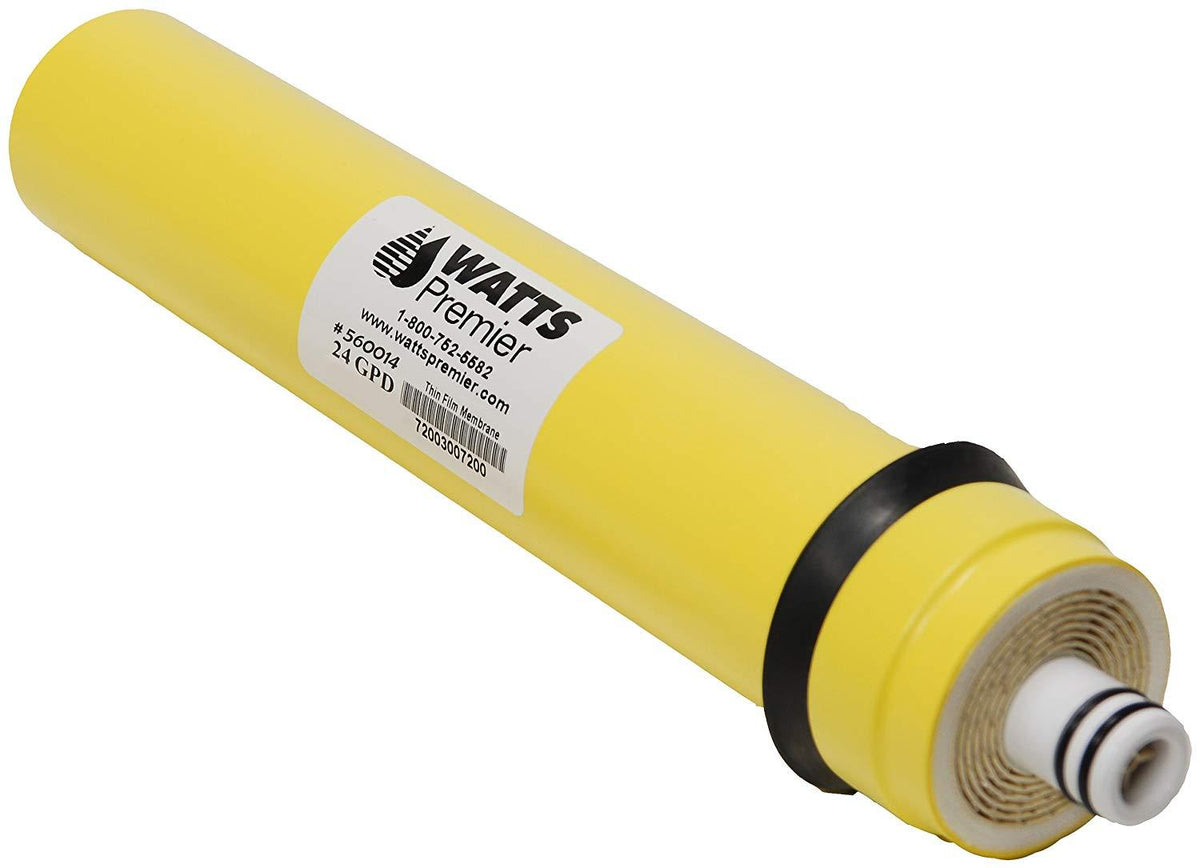 Watts Reverse Osmosis Filter Packs | Replacement Sets
What about that membrane replacement? It’s the big one—and yes, it costs more (around $50-100). But here’s the math: a new membrane extends the life of your other filters and keeps your water actually clean. If you put it off, your system starts producing “reject water” at a higher rate—wasting gallons to make one glass. That’s money down the drain, literally. Set a reminder in your phone for every 24 months. Save yourself the hassle.
One last confession: I used to hate changing filters. It felt like unnecessary busywork. Then Gary told me his story about how his old filters were so clogged, his RO system sounded like a dying cat. After the swap? Silence and perfection. That’s the power of a simple maintenance routine. So go ahead, order that replacement kit. Spend 20 minutes under your sink. Your water will thank you, and you’ll feel like a plumbing genius. And if anyone asks, just say you’re following Gary’s lead—the guy with the trophy glass and the newfound life.
Cheers to clean water, fewer plastic bottles, and never sipping that basement-hose taste again. You deserve it.

