
How Does A Brine Tank Work
So, you’ve got a water softener in your basement, and you keep staring at this big, plastic barrel of salt. That, my friend, is the brine tank, and it’s way more interesting t...
So, you’ve got a water softener in your basement, and you keep staring at this big, plastic barrel of salt. That, my friend, is the brine tank, and it’s way more interesting than it looks. Think of it as the secret sauce of your whole soft water operation. It’s not just a bin of salt; it’s a tiny, magical factory that makes liquid gold—well, salty gold.
Let’s start with the basics. The whole point of a water softener is to kick out hard minerals like calcium and magnesium. It does this using tiny resin beads that trap those minerals like a clingy ex. But those beads get full, and they need a bath to get clean again. That’s where our hero, the brine tank, comes in.
You see, the brine tank doesn’t do the scrubbing while you’re in the shower. It chills out most of the day, just holding a pile of salt pellets. Its main job is to create a super-concentrated saltwater solution, which we call brine. It’s like making a salt lick for the inside of your water softener.
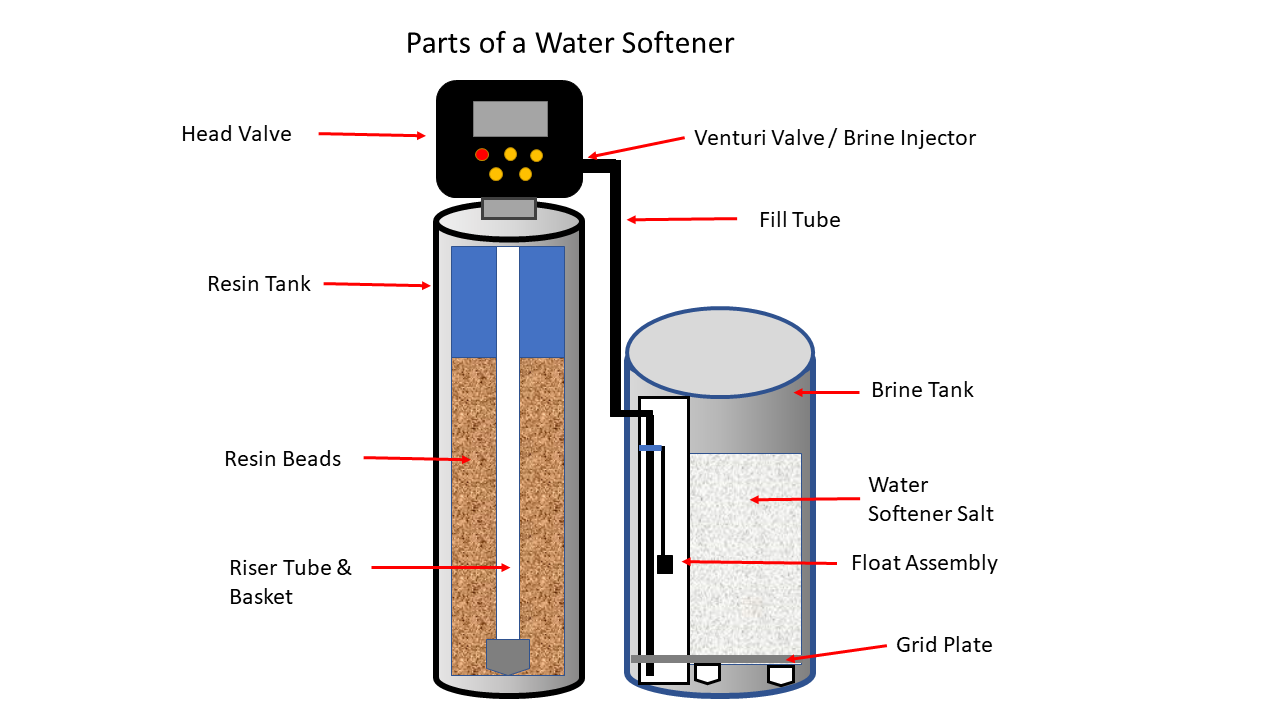
Here’s the fun part: the tank has a secret party trick. When the system decides it’s time for a regeneration cycle, a special valve sends some water down into the salt. This water dissolves enough salt to create that brine. It’s basically the tank saying, “Alright, time to mix the potion!”
Now, imagine the brine as the muscle of the operation. This super-salty water gets sucked out of the tank and into the main softener tank. The salt in the brine is so strong that it literally tears the hard minerals off the resin beads. It’s like a tug-of-war where the salt always wins.
During this process, the resin beads get a full spa treatment. The brine floods over them, washing away all that nasty calcium and magnesium. Poof! Gone. The beads are now clean, happy, and ready to soften your water again. They go from “tired and crusty” to “fresh and sparkly” in minutes.
After the brine does its job, it gets flushed out of the system. That dirty, mineral-laden water goes down the drain. You never see it, but trust me, your pipes are grateful. And your brine tank? It’s left with just a little leftover water at the bottom, waiting for the next round.
You might be wondering, “Do I have to do anything?” The answer is: feed the beast! You have to dump a bag of salt pellets into the tank every few weeks. It’s like filling a bird feeder, but for your pipes. Don’t worry, the tank doesn’t bite—but it will get grumpy if you let it run dry.
 When To Add Water Softener Salt at Leah Woodcock blog
Here’s a funny little secret: the brine tank never actually empties all the way. It keeps a pool of water at the bottom, even when it’s not making brine. This water sits there, waiting. It’s like the tank is holding its breath until the next regeneration call.
That pool of water also helps the salt dissolve faster when the time comes. Think of it as a pre-soak. If you open the lid and see a layer of water over the salt, don’t panic. That’s normal! It’s just the tank’s way of saying, “I’m ready when you are, boss.”
You might also see something called a brine float inside. That’s a little plastic gizmo that stops the water from filling too high. It’s the tank’s lifeguard. Without it, you’d have a salty swimming pool in your basement, and nobody wants that.
One more thing: the type of salt you use matters. You can use rock salt, solar salt, or even pellets. Each type dissolves a little differently, but they all do the same job. Just avoid table salt with iodine—that stuff will gum up the works faster than a toddler with a glue stick.
So, what happens if you skip the salt for a month? Well, your water softener becomes a paperweight. Hard water will sneak back in, and you’ll get those ugly white spots on your dishes. Your hair might feel like straw, and your soap will refuse to lather. Don’t be that person.
 How Much Salt Should You Use? Trusted Advice from WaterSmart Experts
Think of the brine tank as the loyal sidekick in a superhero movie. The water softener is the flashy hero, but the sidekick does all the heavy lifting. Without the brine tank, your hero would be taking a permanent nap in the corner.
Now, for a little backyard science: the magic number is about 1 cup of dissolved salt per gallon of water for perfect brine. Your tank does this math automatically, which is great because I barely passed algebra. It’s a real smarty-pants.
If you ever hear a weird gurgling sound from the tank, that’s the brine being sucked out. It’s a happy sound! It means regeneration is happening. If it sounds like a dying dinosaur, though, you might have a clog. But usually, it’s just a gentle slurp, like your dad finishing a soda.
Here’s a pro tip: once a year, give your brine tank a little cleaning. Empty out any salty sludge at the bottom. It’s not glamorous, but it keeps the system happy. Consider it a spa day for your basement buddy.
And now, the uplifting conclusion: you have officially unlocked the mystery of the brine tank. You now know more about salty water than most people on the planet. Next time your glass of ice water looks perfectly clear and your showers feel silky smooth, give a little nod to that plastic barrel in the basement. It’s not just a tank; it’s a tiny, salt-powered miracle worker. It’s your water hero, and it’s always ready for its next salty mission. Go give it a pat—it deserves a little love.

