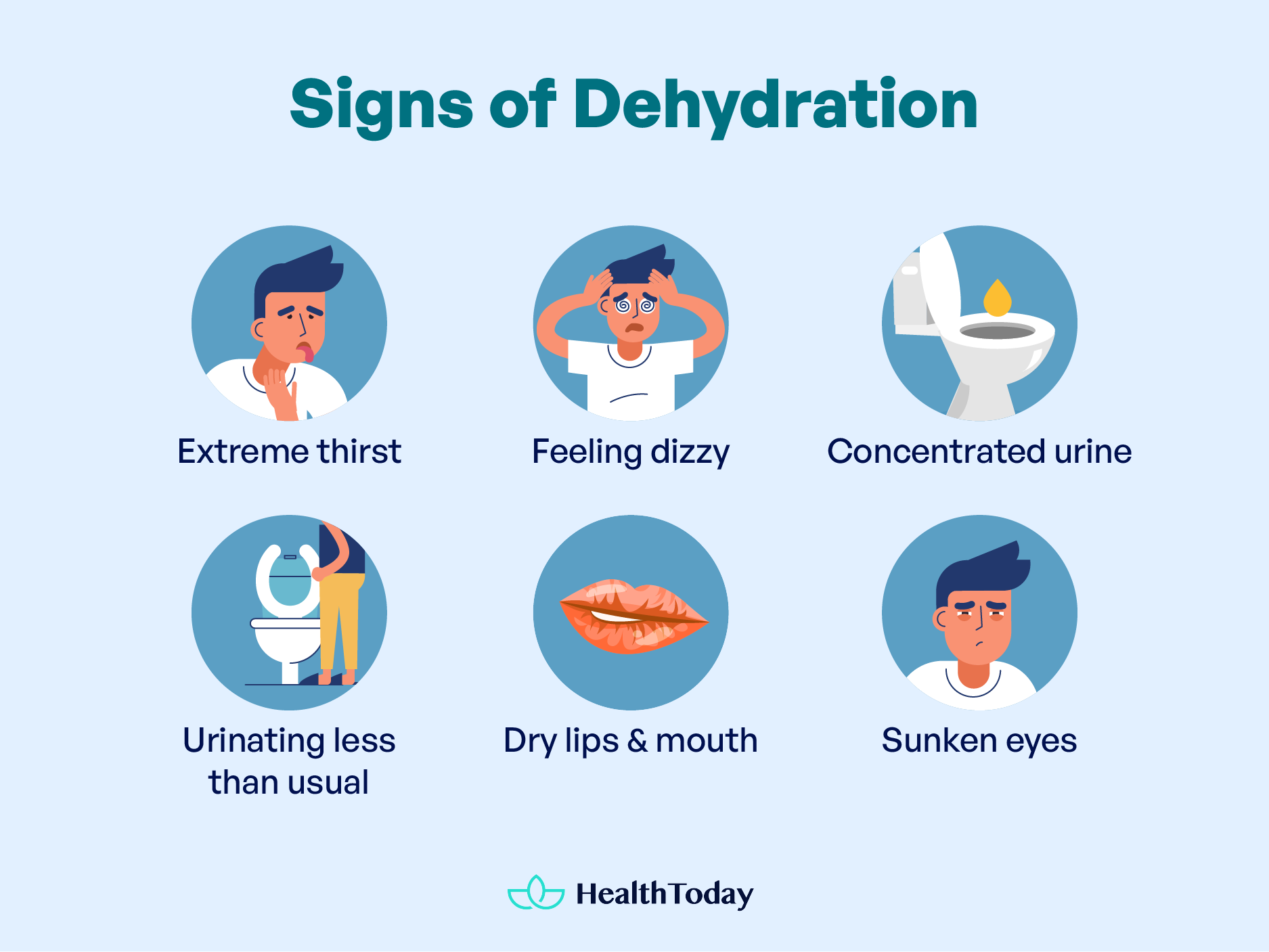
First, ditch the rule “eight glasses a day.” That’s a myth from the 1940s that’s about as useful as a screen door on a submarine. Your water needs depend on your size, sweat level, and how much you’re eating. A good rule: pee should be pale yellow or clear. If it looks like iced tea, you’re behind.
 Does Dehydration Cause Anxiety | Practical Tips for Relief
Second, eat your water. Foods like cucumbers, watermelon, and celery are basically crunchy water bottles. A big salad can hydrate you better than two glasses of water, plus it won’t make you run to the bathroom like a leaky faucet.
Third, stop ignoring thirst. Thirst is your brain’s way of saying, “Hey, you absolute walnut, I’m dying here.” Drink a glass before coffee, after exercise, and anytime you feel an emotion that doesn’t have a clear cause. Bored? Drink. Angry at traffic? Drink. Wondering if you should buy a bonsai tree to feel less alone? Definitely drink.
The Bottom Line (No, Really, It’s Important)
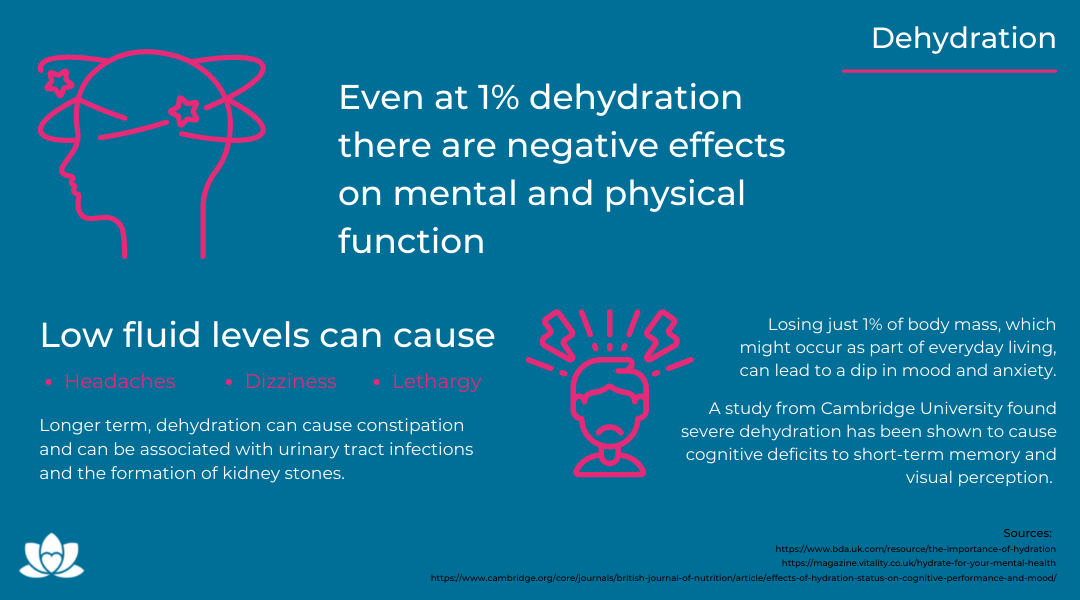
Can dehydration cause depression and anxiety? Not exactly—it’s not like one dry mouth will send you to a padded room. But chronic, mild dehydration is like sprinkling anxiety dust on a brain that’s already struggling. It amplifies negative moods, mimics panic attacks, and makes depression feel like a heavier blanket.
The surprising truth: in many cases, a glass of water is more effective than a pep talk. So before you schedule a therapy appointment for that sudden wave of doom, chug some H2O. You might still need therapy, but at least you’ll be hydrated while you unpack your childhood. And honestly? That’s a win.
Now go drink something. Your brain is doing a sad little dance, and it’s not cute.

