
First, locate your stopcock and learn how to turn it off—label it with a giant sticker if you have to. If a pipe does freeze, shutting off the water is your emergency brake, and it buys you time to thaw things gently with a hairdryer (never a blowtorch, unless you fancy a plate of grilled plaster).
Second, grab a roll of foam pipe insulation from the hardware shop. It’s cheaper than a takeaway pizza, and it wraps around your pipes like a cosy winter scarf. Slide it over any exposed pipes in the loft, under the kitchen sink, and along cold exterior walls. Yes, it looks a bit like a therapy pillow for plumbing, but it works.
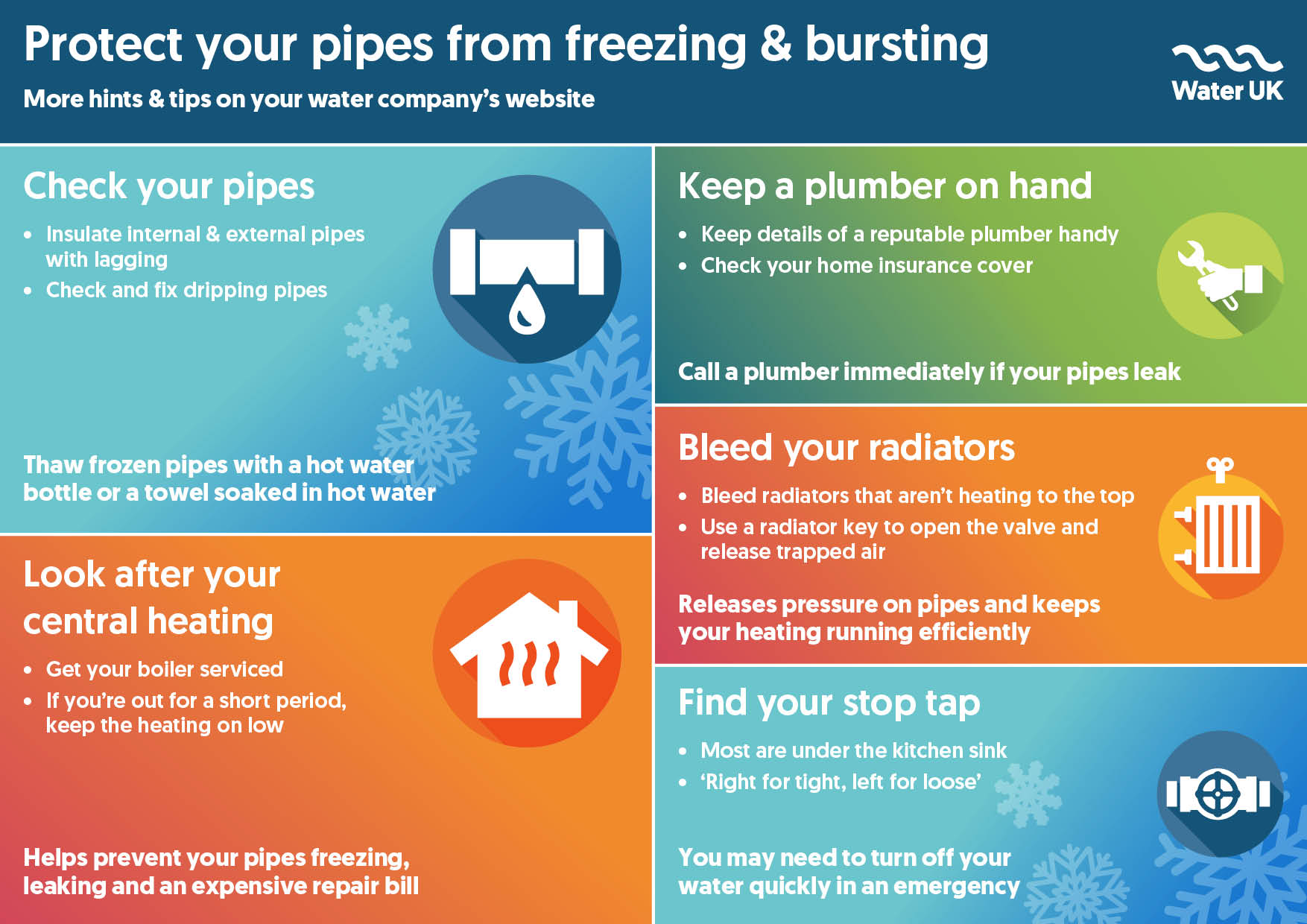 Households and businesses urged to protect pipes from freezing and
Third, on the coldest nights, let your taps drip slightly. A gentle trickle keeps water moving, and moving water is dramatically harder to freeze. It uses a tiny amount of water, but it’s far cheaper than a burst pipe—think of it as a tiny insurance policy that only costs pennies.
The “I forgot to heat the shed” moment
Let’s be real: we’ve all had that moment where we dash outside in pyjamas to grab a sack of potatoes from the garage, only to find the hose pipe has turned into a popsicle. Your outdoor tap needs a dedicated tap cover or, at the very least, an old towel wrapped around it. If you have an unheated outbuilding with plumbing, drain it completely before winter—or invest in a trace heating cable (yes, it’s a thing, and it sounds exactly like an electric blanket for pipes).
One bloke I know actually used an old woolly jumper to lag his pipe in the garden. It looked ridiculous, but it worked. The point is: anything is better than nothing. Even bubble wrap and duct tape can make a difference in a pinch. Your pipes won’t care about fashion—they just care about touching something warm.

