
What Type Of Water Softener Is Best
So, my friend Karen called me the other day, absolutely furious. She’d just spent a small fortune on a “high-end” salt-free water softener, only to find her showerheads still...
So, my friend Karen called me the other day, absolutely furious. She’d just spent a small fortune on a “high-end” salt-free water softener, only to find her showerheads still covered in that crusty white limescale. She was ready to throw the whole system out the window. That’s when I had to break the news: she bought a conditioner, not a softener. Oops.
That little disaster got me thinking. What type of water softener is actually best for the average person? It’s a surprisingly tricky question, because “best” changes depending on whether you hate slippery soap or you’re terrified of salt. Let’s wade through the murky waters together, shall we?
The king of the hill for true, hard-water destruction is the traditional ion-exchange salt-based softener. This is the big, beige tank you’ve seen in basements. It literally swaps the calcium and magnesium in your water for sodium ions.
The result? Silky hair, spotless glasses, and zero limescale. It’s the gold standard. But here’s the catch: you have to buy giant bags of salt and lug them down the stairs. Also, it flushes brine into the wastewater, which some eco-conscious folks hate.
Then you have the salt-free water conditioners, which Karen bought. Let’s be clear: these do not soften water. They use a process called Template Assisted Crystallization (TAC) to change the mineral structure so it won’t stick to your pipes.
They are low-maintenance and don’t dump salt into the environment. Sound perfect? It is—until you realize your soap still won’t lather well. You’ll still get some spots on dishes. It’s a compromise, not a solution for extreme hard water.
 10 Best Water Softeners of 2026 – Buyer's Guide
Now, let’s talk about the dark horse: the dual-tank softener. Imagine having a backup tank so you never run out of soft water during regeneration. It’s overkill for a single person, but for a family of five? It’s a revelation.
You never wake up to hard water because the system “regrows” while you sleep. It also allows you to use a high-efficiency setting that saves salt and water. The downside? It costs twice as much and takes up the footprint of a small car.
If you’re in an apartment or rental, you might be eyeing the magnetic or electronic descalers. These plug into the wall and claim to use a magnetic field to zap the minerals. Please, please don’t fall for this.
 Choosing the Best Water Softener: Explore 4 Types and Find Your Perfect Fit
Nearly every independent test shows they are snake oil. They might “condition” the water in a lab, but in your real-life pipes? Your kettle will still look like a limestone cave. Avoid them like the plague.
What about the reverse osmosis (RO) systems under the sink? Those are not whole-house softeners. They’re for drinking water. You’d need a separate softener for your showers and laundry. Don’t mix them up—your washing machine won’t thank you.
So, back to the big question: what’s best for you? If you have extremely hard water (over 10 grains per gallon) and hate scrubbing, get the salt-based ion-exchange system. It’s the boring, reliable workhorse.
If your water is only moderately hard (3-7 grains) and you care about environmental impact, a salt-free conditioner is fine. Just know you’re trading total softness for convenience. Set your expectations low, and you’ll be happy.
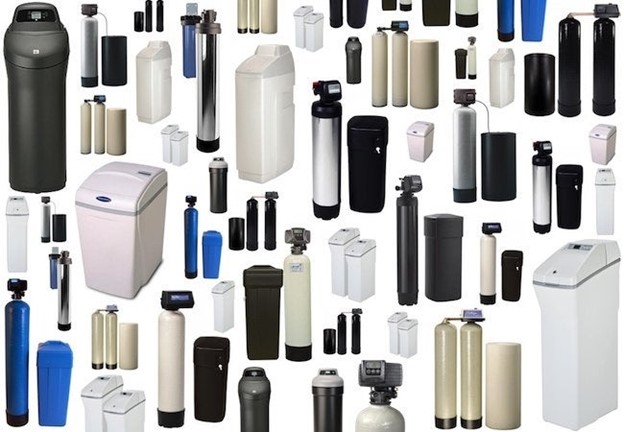 Types of Water Conditioning Systems: Choosing the Right One for Your Home
For those with a big family and a bigger budget, splurge on the dual-tank model. It’s like having a luxury car: you don’t need it, but once you have it, you can’t go back. The constant soft water is addictive.
One more thing: don’t overlook the iron content in your water. If your water smells like rusty pennies, a standard softener might not cut it. You might need a specific iron-filtering softener, which is a different beast entirely.
To really know the best type, you have to get a water test kit. Yes, it’s annoying. Yes, you feel like a science fair participant. But guessing based on your neighbor’s recommendation? That’s how you end up like Karen.
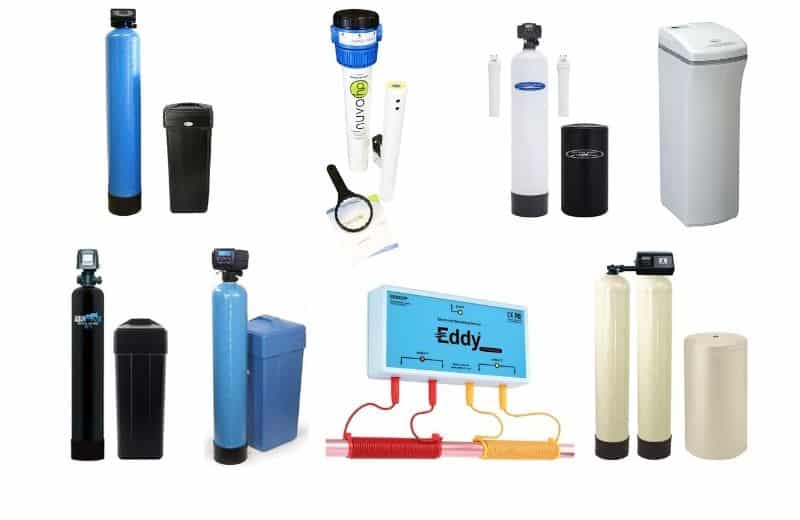 8 Best Water Softener Systems (October 2026)
As for installation, the salt-based ones usually require a professional, unless you’re handy with PVC pipes. The salt-free ones are often DIY-friendly. Factor that into your decision—time is money, and so is a flooded laundry room.
Let’s recap: Salt-based wins for pure softness. Salt-free wins for low maintenance. Dual-tank wins for high demand. And magnetic wins the award for “most creative way to waste $200.”
I told Karen to return her conditioner and get a basic salt-based model. She grumbled but did it. Last week, she sent me a photo of a crystal-clear glass of ice water. “I can actually see through it,” she wrote. That’s the best proof you’ll ever get.
So, what type is best? The one that fits your water hardness level, your budget, and your tolerance for maintenance. There’s no magic bullet, but there is a perfect choice for your home. Now go test that water!

