
Here’s where it gets a little sneaky. Pour a fresh, hot cup of black coffee, and you’re drinking pure, concentrated caffeine joy. But pour that same coffee over a tall glass of ice cubes, and you’re basically inviting a dilution party. The ice melts, adding water to your drink, which means each sip has a slightly weaker caffeine concentration. You get the same total caffeine, just spread across more liquid volume.
That’s why a 16-ounce iced coffee from your local shop might feel a bit gentler than a 16-ounce hot one. But don’t panic—unless you’re swigging a bucket of ice, the difference is usually minor. For most of us, it’s the difference between “wide awake” and “vibrantly awake,” not “awake” versus “asleep on the sidewalk.”
Your personal coffee story: The morning rush.
Picture this: you’re rushing to leave the house, you grab a huge iced coffee from the drive-thru, and you sip it for two hours. By noon, you feel great—alert, chatty, ready to tackle emails. That’s the caffeine working its magic, folks. Now imagine you grab a small, dark roast hot coffee instead. You finish it in ten minutes because it’s hot and delicious, and you feel a sudden jolt like a cartoon lightning bolt. Same caffeine, different timeline—both work!
The takeaway? Your iced coffee is not a lazy cousin of the real deal. It’s caffeine’s cool, stylish sibling. It shows up with the same energy, just in a more refreshing package. So next time someone jokes that iced coffee is “just coffee for people who don’t need caffeine,” you can smile and take a long, satisfying slurp… because you know better.
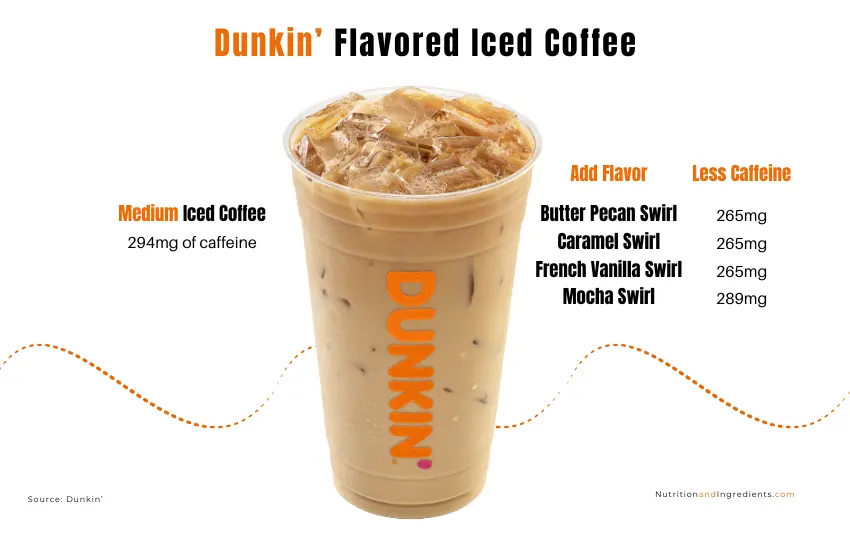 How Much Caffeine is in Dunkin' Donuts Coffee?

