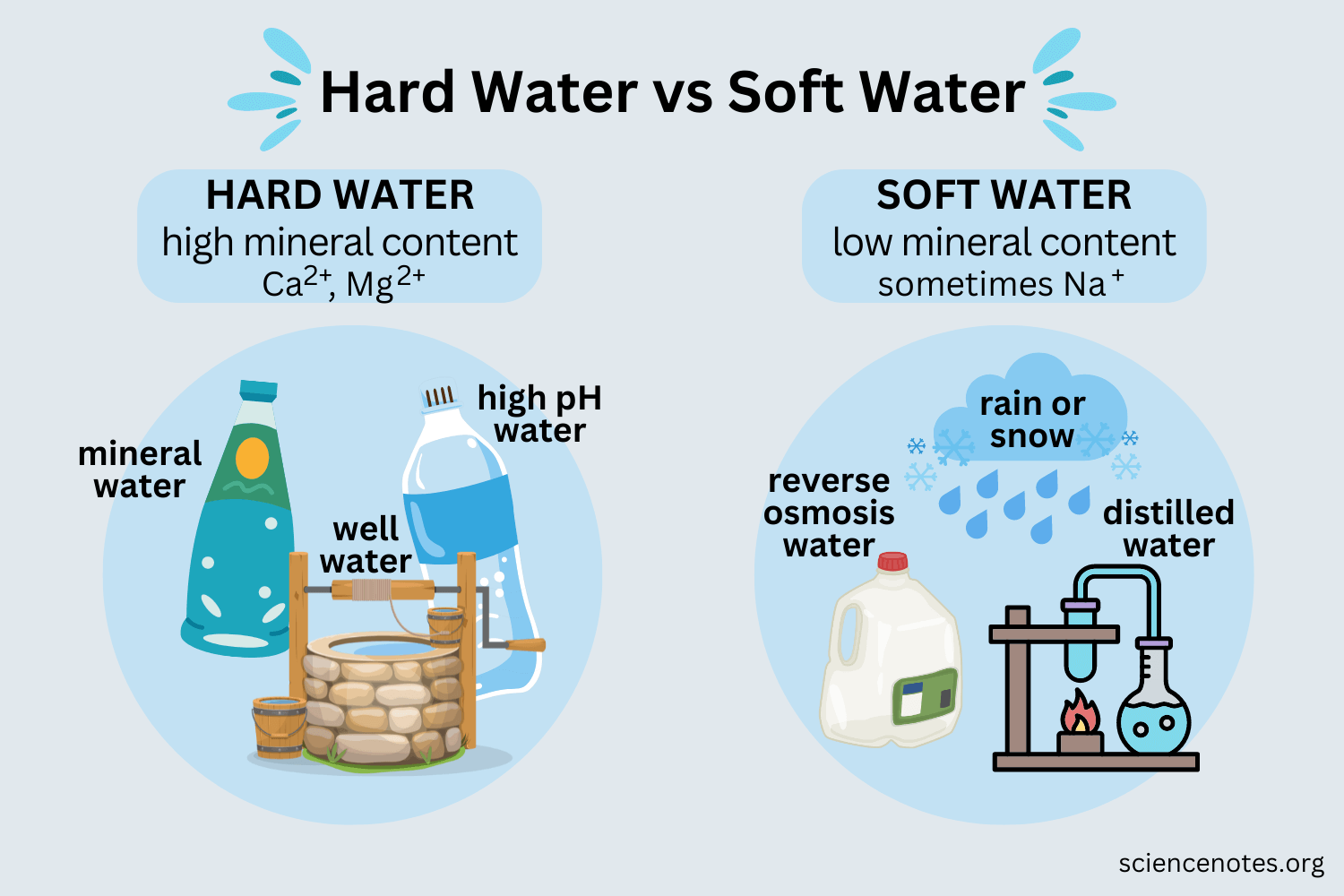
You don’t need a laboratory to figure out which kind you have. Just look at your shower glass after a few days. If it’s covered in cloudy, white spots that refuse to wipe off, you’re living with hard water.
I once had a roommate who swore our shower was haunted because the doors were always foggy. Turns out, it wasn’t ghosts—it was limescale, the calling card of hard water. Those spots are actually dried-up mineral deposits, like tiny, stubborn snowflakes made of rock.
Another telltale sign? Soap scum. You know that ring around your bathtub that feels like waxy armor? That’s your soap reacting with the minerals in hard water. It basically creates a reluctant shield that takes forever to scrub off.
Why your skin and hair are giving you clues
Your body knows the difference, even if your brain doesn’t. After a shower with hard water, your skin might feel a little dry or tight. That’s because the minerals prevent soap from rinsing away fully, leaving a thin, sticky film behind.
Your hair also gets the memo. It can feel brittle, frizzy, or just off. It’s not your shampoo’s fault—it’s the water working against it. Soft water, by contrast, lets your soap and shampoo lather up like a dream, and you rinse clean in seconds.
I remember visiting a friend with a water softener and taking a shower there. I honestly thought I’d used a different shampoo. My hair felt like silk, and my skin didn’t need lotion afterward. It was a total “aha!” moment.

