
Scientists have actually looked into this, because apparently, we have nothing better to fund. A 2019 study out of China found that mice washed in hard water lost more hair than mice washed in distilled water. But before you panic, remember: mice are not people. (Though I’ve seen some with nicer blowouts.) Human studies are trickier, because our habits vary wildly—like the person who uses three different conditioners versus the one who only rinses with beer.
What we do know is that hard water can make existing hair loss look worse. The mineral buildup makes your hair feel rough, brittle, and prone to tangling. And when you brush those tangles? Yank! Out comes more hair, which you then blame on the water when it’s really your aggressive detangling technique. Pro tip: Use a wide-tooth comb and your brain.
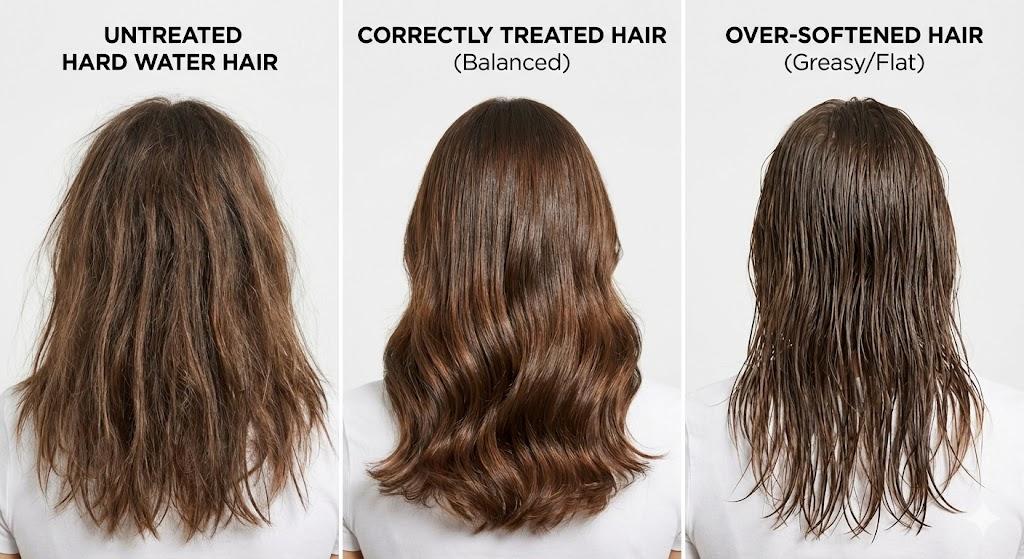 Hard Water Hair Damage: The Complete Guide (Causes, Diagnosis & Fixes)
Surprising fact: Hard water is actually extra clingy to dark hair dye, causing it to fade faster. So if you’re a brunette or a box-dye enthusiast, you’re fighting a two-front war: against the minerals and your own vanity. The hair loss you see might just be dye-induced breakage, not actual shedding.
The Real Culprits: Stress, Genetics, and Your Bad Habits
Let’s be honest—if you’re losing handfuls of hair, hard water is probably the last thing to blame. Stress is like a hair godzilla that stomps through your scalp, causing telogen effluvium (fancy doctor speak for “your hair is taking a nap and falling out”). Genetics? That’s the hand you were dealt—and hard water can’t change your DNA, no matter how much it tries. And let’s not forget your diet: if you’re living on coffee and spite, your hair will wave goodbye faster than a bad Tinder date.
Oh, and tight hairstyles? Yeah, that’s traction alopecia, and it’s 100% your fault. Hard water didn’t make you wear that top knot for three days straight. You did that.
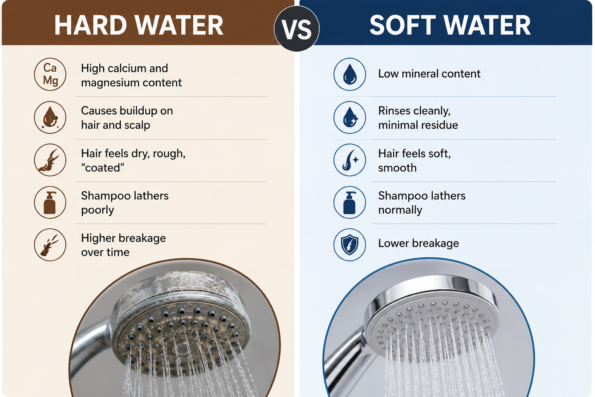 Hard Water and Hair Fall: Shocking Hair Loss Facts

