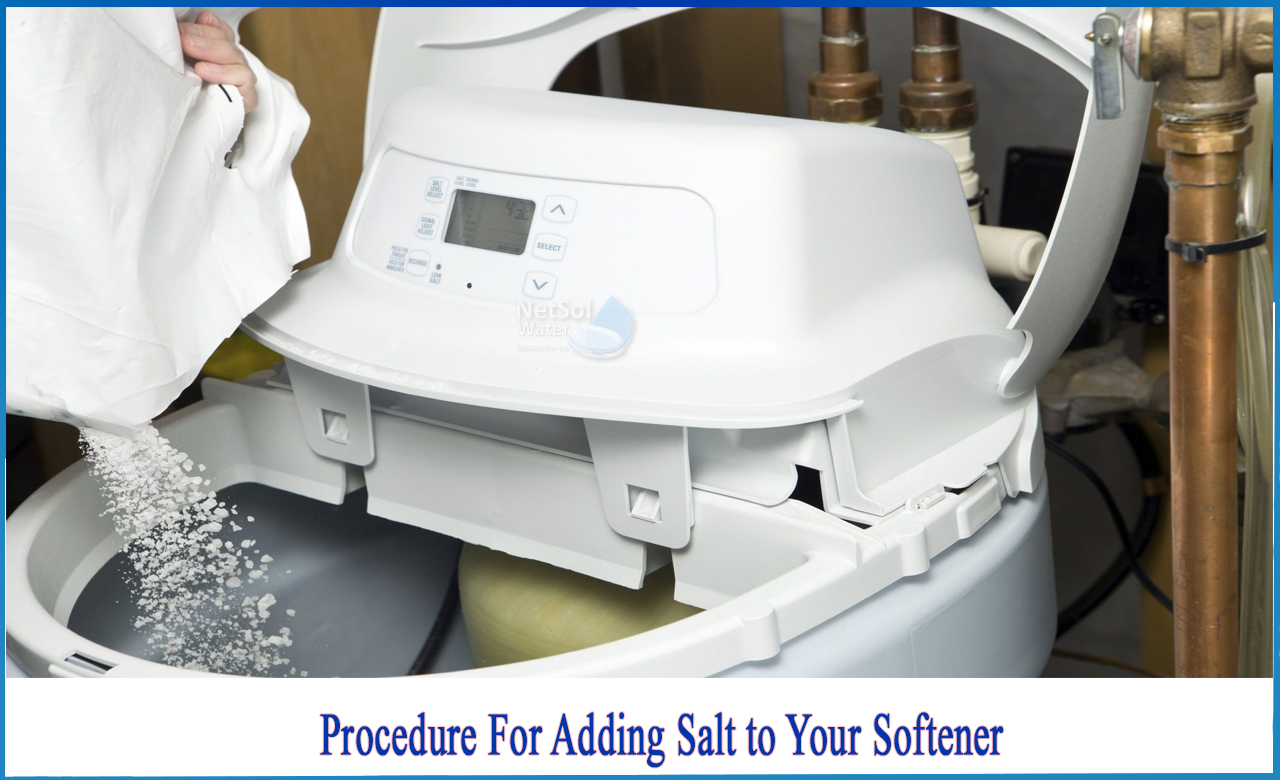
Fill the tank about halfway to two-thirds full. That’s it. Seriously. Stop overthinking.
If you fill it to the brim, the salt can “bridge” and form a solid crust. Then your softener cries in the corner. If you fill it too low, it runs out right when you’re in the shower.
Nobody wants a squeaky, chalky rinse. Nobody.
Why Not Full?
“But if a little is good, a lot is better!” Yeah, that applies to chocolate, not salt bridges. A salt bridge is like a glacier in your tank. It blocks the water from reaching the salt.
Then your softener regenerates with zero salt. And you get hard water. Hard water is the enemy of soft hair and clean dishes. Trust me.
Keep it at halfway. It’s the sweet spot. Think of it as the Goldilocks zone of plumbing.
What Kind of Salt, Anyway?
You have choices! And you’ll have opinions. Here’s the dirt.
Solar salt comes from evaporated seawater. It’s cheap, but leaves a little sludge. Think of it as the “fine, but you’ll clean the tank more often” option.
Evaporated salt (or pellet salt) is super pure. It’s the fancy stuff. It dissolves cleanly, so you avoid that sludge. But your wallet might whimper a bit.
Rock salt is the cheapest, but it’s full of dirt. Honestly, it’s like throwing gravel into your machine. Avoid it unless you enjoy replacing parts. You don’t.
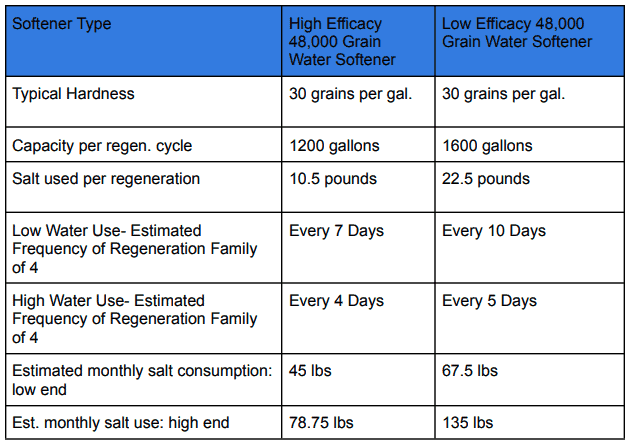 How Often to Add Salt to Your Water Softener | Team Austin

