
In most developed countries, your tap water is already treated and safe to drink. You only need to boil if you’re on a well that hasn’t been tested, during a boil-water advisory, or if you’re drinking from a stream that looks like iced tea minus the ice. Even then, if your tap water is from a municipal system, chug it straight without guilt.
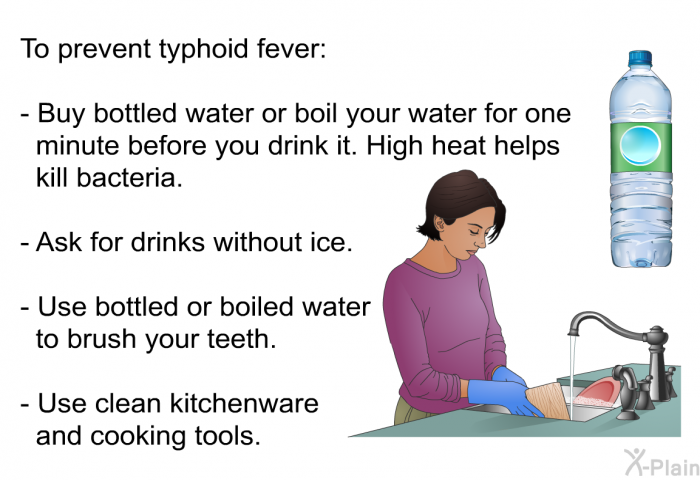 How To Boil Water To Kill Bacteria
But let’s be real: if you’re like me, you still boil water because you saw a story on the news about a water main break. It’s the same reason I check under my bed for monsters. Paranoia is just a lifestyle choice.
Does Boiling Remove Chemicals? (Spoiler: Nope)
While boiling kills bacteria, it does not remove heavy metals like lead or chemical contaminants like pesticides. If you’re worried about those, you need a filter or a distiller. Boiling actually concentrates some chemicals because water evaporates, but the bad stuff stays.
Imagine boiling a pot with a spoonful of mud. The water disappears, but the mud stays. Same with chemicals. So, if your water smells like a swimming pool, boiling won’t fix that—you’ll just have hot pool water.

