
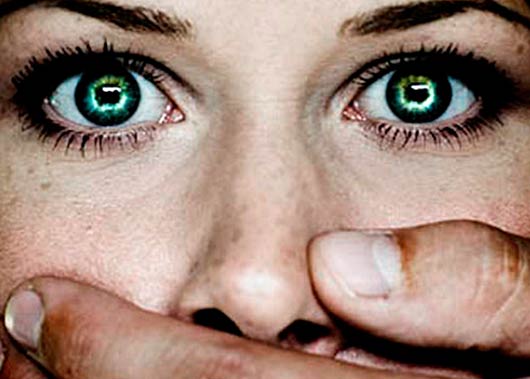
At one time or another, you may have suspected that a friend, neighbor or loved one was a victim of domestic violence. Maybe she bore the telltale marks of physical abuse, or the more subtle signs of depression and isolation that accompany abuse. And maybe you wondered what, if anything, you could do to help.
If you suspect someone is being abused, there are characteristic behaviors to look for, and there are ways to help.

DEFINING DOMESTIC VIOLENCE
When any kind of abuse happens in the home and the aggressor is a family member or companion, this is considered domestic violence. Depending on who the victim is, domestic violence can take the form of spousal/partner abuse, child abuse or elder abuse. And depending on the way the victim is being hurt, this violence can take the form of physical, emotional, or psychological harm. Women are most often the victims of domestic violence.
RECOGNIZING DOMESTIC VIOLENCE
Domestic violence follows well-defined patterns of behavior, both in the abuser and the abused. If you suspect that someone you know may be a victim of domestic violence, these are some signs to look for:
- Isolation: The victim’s spouse or partner keeps her isolated from friends and family, both in order to avoid detection and to keep her from seeking help.
- Anxiety & Depression: The victim looks anxious, depressed and has mood swings. Maybe she is quick to cry for no obvious reason. The abuser keeps her in a world of silence and fear, with no healthy way to process emotions.
- Lying: The victim of domestic violence is terrified of her aggressor and hides the facts to avoid people finding out about the abuse, which may cause the aggressor to become even more violent. Sometimes the victim normalizes his violent actions, makes up excuses and even takes the blame for the aggressor´s actions.
- Social Shedding: Victims of domestic violence tend to shed their former relationships and stop answering calls from family and friends. When they do communicate, they will deny they are being abused. When with the abusive partner, the victim is quiet and passive while the abuser does all the talking.
- Physical Evidence & Denial: Visible bruises on the victim may go unexplained, or she may cover up the abuse with excuses (I walked into a door.). She may call in sick to work or cancel social outings at the last minute—this may be the only way a battered woman can hide the bruises.
Read Related: A Daughter’s Dilemma: Will I Repeat the Cycle of Violence?
HOW CAN YOU HELP?
Sometimes family and friends suspect a loved one is being abused, but the victim denies it, and all they have is their suspicions. Other times, family and friends prefer not to get involved, because of the misplaced notion that they are respecting the couple’s privacy. But this is the time to speak up and intervene. Meet up with everyone who shares your suspicions, gather all the evidence you can and, together, have a conversation with the victim.
Make her understand her situation by recounting behaviors and events you have witnessed. Tell her you are concerned about her safety and implore her to talk to you about what is happening. Listen to her and let her know you believe her—after all, her abuser has very likely told her that no one will never, ever believe her claims of abuse.
Still, a victim of domestic violence can be in denial. She may not accept the reality of her situation until she is ready to. In some cases, the best you can do is to continue to be her friend in a nonjudgmental way, until she eventually asks for help. It may take time. Let her know that whenever she is ready, you can offer her a safe place to stay until she gets back on her feet.
If she is still resistant, ask a psychologist for help. A professional can set up an intervention with the victim and her family and friends, which will hopefully be a wake up call for her.
HOTLINES FOR HELP
Remember that no one has the right to physically or emotionally abuse another person. Domestic violence is against the law, and there are systems in place to protect victims of abuse.
If you need advice figuring out how you can help a victim of domestic violence, call the National Domestic Violence Hotline at 1-800-799-SAFE or visit The Hotline. The site also offers help and content in Spanish.